Hair Loss Disease: Causes, Treatment and Prevention

Table Of Content

Hair loss disease is a common issue affecting many individuals. Excessive hair loss can impact a person’s appearance and mental health. Let’s explore the causes, treatment options, and prevention methods for hair loss.

What is Hair Loss?

Hair is composed of 70% keratin and 30% water, fats, carbohydrates, vitamins, and other essential nutrients. A hair strand consists of two parts: the hair follicle (inside the scalp) and the hair shaft (visible part).

Hair follicles are teardrop-shaped structures located in the scalp’s epidermis and dermis layers. Each follicle is supplied with blood vessels and nerve cells to nourish hair stem cells. Sebaceous glands surrounding the follicle secrete oil, lubricating and protecting the hair.

A healthy person sheds about 50-100 hairs daily, with new hair growing to replace them. However, if daily hair loss exceeds 100 strands and no new hair replaces them, it may indicate a hair loss condition.

hair loss disease

Types of Hair Loss

1. Physiological Hair Loss: This natural process occurs as hair completes its growth cycle. After about five months, old hair falls out and new strands grow.

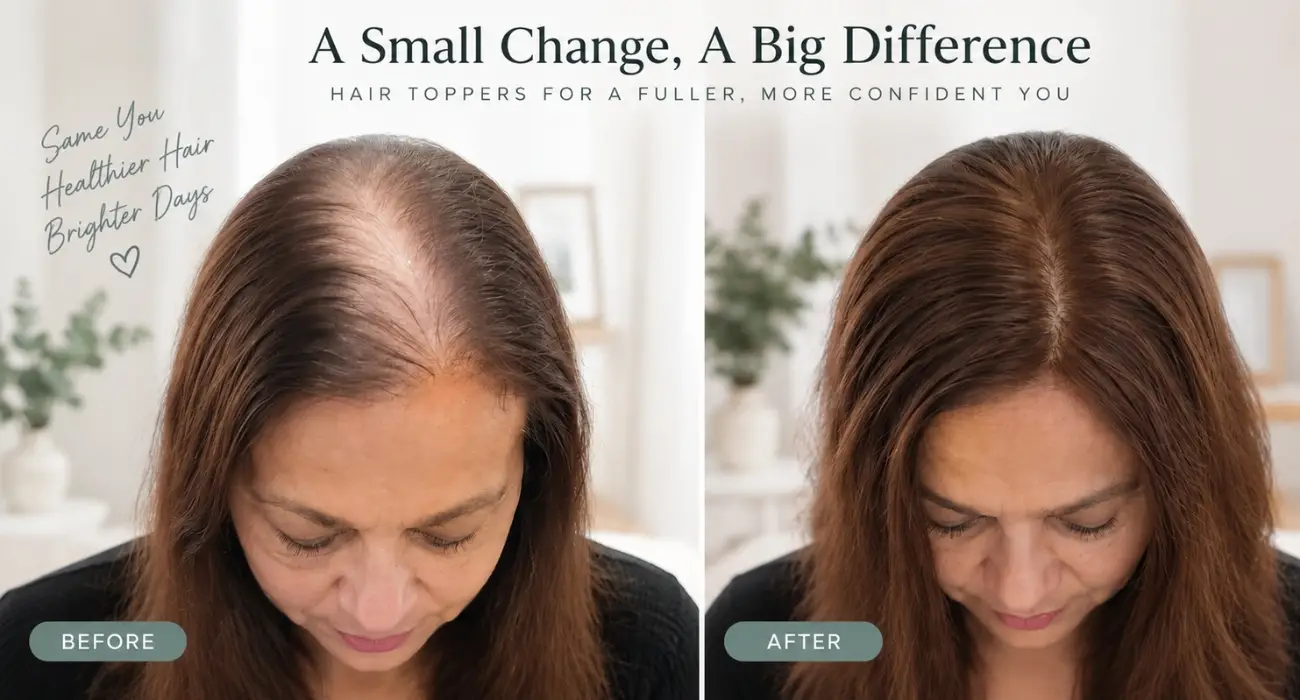
2. Pathological Hair Loss: This condition involves excessive shedding without replacement hair growth. It can result in thinning hair, bald patches, or even complete baldness. Additional symptoms may include scalp itching, flaking, or redness.

Who is at Risk of Pathological Hair Loss?

  • Women over 40 or experiencing menopause
  • Postpartum women
  • Patients undergoing chemotherapy or taking medications that cause hair loss
  • Individuals who frequently tie tight ponytails or braids
  • Those who regularly use chemical treatments like dyes, perms, and relaxers
  • People with a family history of baldness
  • Individuals who experience chronic stress or lack sleep
  • People who undergo rapid weight loss or have poor nutrition
  • Individuals with certain medical conditions such as diabetes or lupus

Causes of Hair Loss

1. Physiological Factors

Age and hormonal changes can slow hair growth and weaken follicles. Conditions such as postpartum hormone shifts and thyroid disorders can also contribute.

2. Genetic Factors

Male and female pattern baldness is often hereditary. If family members experience early hair thinning or baldness, the risk is higher.

3. Psychological Factors

Chronic stress and anxiety increase the production of harmful substances that damage hair follicles, leading to hair loss.

4. Medical Conditions

Scalp infections, autoimmune disorders like alopecia areata, and chronic illnesses (e.g., diabetes and lupus) can lead to hair loss. Treatments like chemotherapy also affect hair growth.

5. Poor Hair Care Practices

Excessive heat styling, harsh chemical treatments, and improper hair care routines can damage hair shafts and follicles, causing breakage and shedding.

6. Nutritional Deficiencies

Lack of essential nutrients such as protein, iron, zinc, and vitamins A, B, C, and E can weaken hair and slow growth.

Symptoms of Hair Loss

  • Gradual thinning on top of the head: Common in aging individuals.
  • Patchy bald spots: Some experience round bald patches, sometimes with scalp pain or itching.
  • Sudden hair shedding: Hair may fall out in large amounts due to shock, stress, or illness.
  • Full-body hair loss: Can occur due to chemotherapy or severe health conditions.
  • Scalp infections: Fungal or bacterial infections may cause redness, scaling, and excessive shedding.

hair loss disease 2 800x450 1

Consequences and Solutions for Hair Loss

Hair loss can significantly impact self-confidence and daily life. Solutions include:

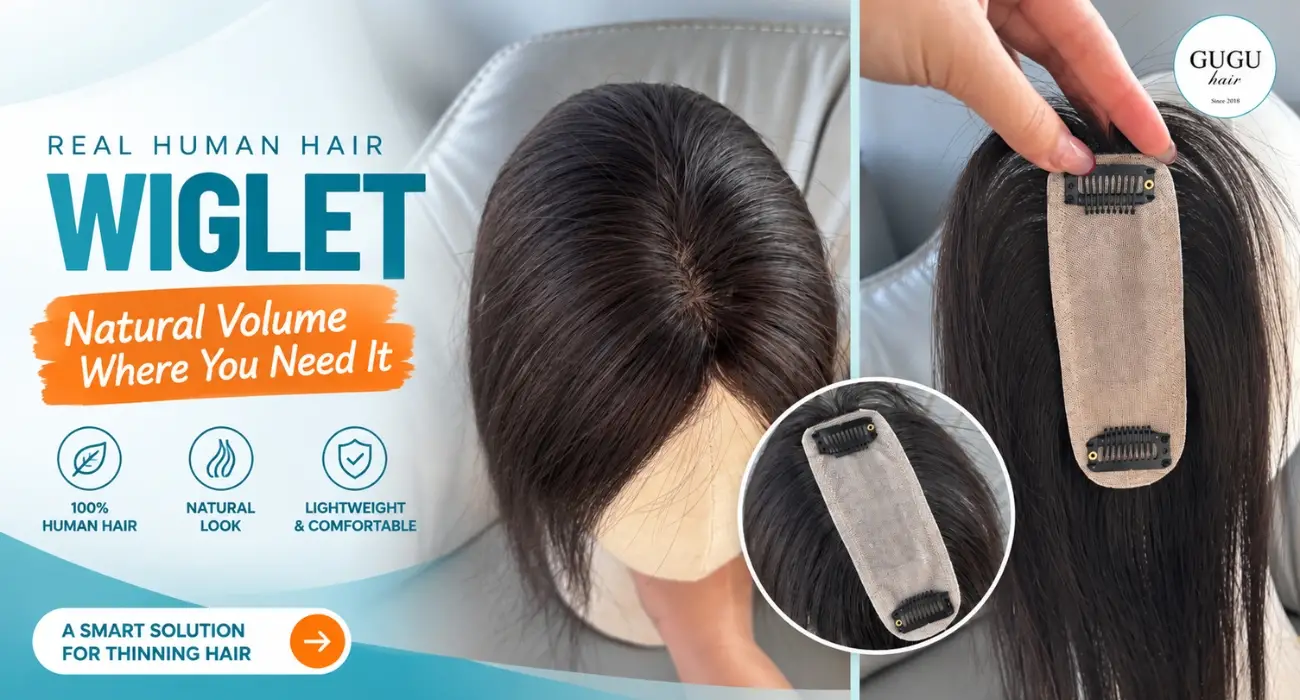
  • Wigs or scarves to cover bald spots
  • Hairstyling adjustments to create the illusion of thicker hair
  • Medical treatments from dermatologists for severe cases

Diagnosis and When to See a Doctor

A dermatologist may diagnose hair loss by:

  • Reviewing medical and family history
  • Assessing psychological stress factors
  • Conducting scalp biopsies to check for underlying conditions
  • Ordering blood tests to identify nutrient deficiencies

When to Seek Medical Attention

  • Excessive fatigue
  • Unexplained weight loss
  • Fever
  • Digestive issues
  • Scalp rashes
  • Recent surgeries, vaccinations, or major dietary changes

Treatment Options

1. Medications

  • Minoxidil: A topical treatment that stimulates hair regrowth.
  • Finasteride: An oral medication for male pattern baldness.
  • Spironolactone & Birth Control Pills: Used for female hair loss treatment.
  • Dutasteride: Recommended for severe male baldness.
  • Antifungal & Antibiotic Medications: Treat scalp infections causing hair loss.

2. Natural Remedies

  • Scalp massages with essential oils (coconut, olive oil) to stimulate follicles.
  • Aloe vera to soothe the scalp and reduce dandruff.
  • Onion juice to promote hair regrowth.
  • Omega-3 and ginseng-rich foods for thicker, healthier hair.

hair loss disease 3 800x450 1

3. Hair Transplants and Laser Therapy

  • Hair Transplants: Hair follicles are extracted and transplanted into bald areas.
  • Laser Therapy: FDA-approved treatment to stimulate hair growth in men and women with genetic hair loss.

4. Hair Growth Supplements

  • Biotin (Vitamin B7)
  • Omega-3 fatty acids
  • Iron, Vitamin C, and Zinc

Hair Loss Prevention

1. Healthy Hair Care Habits

  • Avoid frequent chemical treatments and heat styling.
  • Use natural shampoos with ingredients like olive oil, grapefruit, and herbs.
  • Massage the scalp with fingertips (not nails) to avoid damage.
  • Use wide-tooth combs for wet hair to prevent breakage.

hair loss disease 4 800x450 1

2. Nutritional Support

A well-balanced diet helps maintain strong and healthy hair. Essential nutrients include:

  • Vitamin C: Supports collagen production.
  • Iron & Zinc: Strengthen hair follicles.
  • Protein: Essential for keratin production.
  • Omega-3 fatty acids: Improve scalp health.

By adopting a holistic approach, including proper hair care, a nutritious diet, and stress management, individuals can reduce hair loss and promote healthy hair growth.

GUGU HAIR –  TRUSTED 100% VIETNAMESE HAIR

guguhair

WhatApp

Videos & Images Feedback Our Collection
gugu hair

TOP 1 GUGU HAIR
FACTORY VIETNAM

Website chính thức Xôi Lạc TV

Kênh trực tiếp bóng đá Xoilac TV HD

Quan tâm :

Link Vebo TV trực tiếp bóng đá

Xem RakhoiTV tiếng Việt

Xem trực tiếp bóng đá Mi Tom TV

Link Uniscore tỷ số bóngá UniScore.com

Bóngá Socolive 1 tv trực tiếp tiếng Việt

Kênh Xoilac TV chính thức

link vào 8xbet