Wigs are a fantastic way to switch up your hairstyle, protect your natural hair, and boost confidence—but what happens at bedtime? Many wig wearers wonder, “Can I sleep with my wig on?” The short answer is: yes, you can. But should you? That’s where things get a bit more nuanced.
In this blog, we’ll break down the pros and cons of sleeping with a wig on, the types of wigs best suited for overnight wear, tips to protect your wig while sleeping, and how to decide what’s right for you.
The Short Answer: Yes, But It Comes with Trade-Offs
Can You Sleep in a Wig
Sleeping in your wig is possible—many people do it, especially with glueless wigs, full lace wigs, or installations that are meant to last for days. However, it can reduce the lifespan of your wig and affect both comfort and hygiene if not done properly.
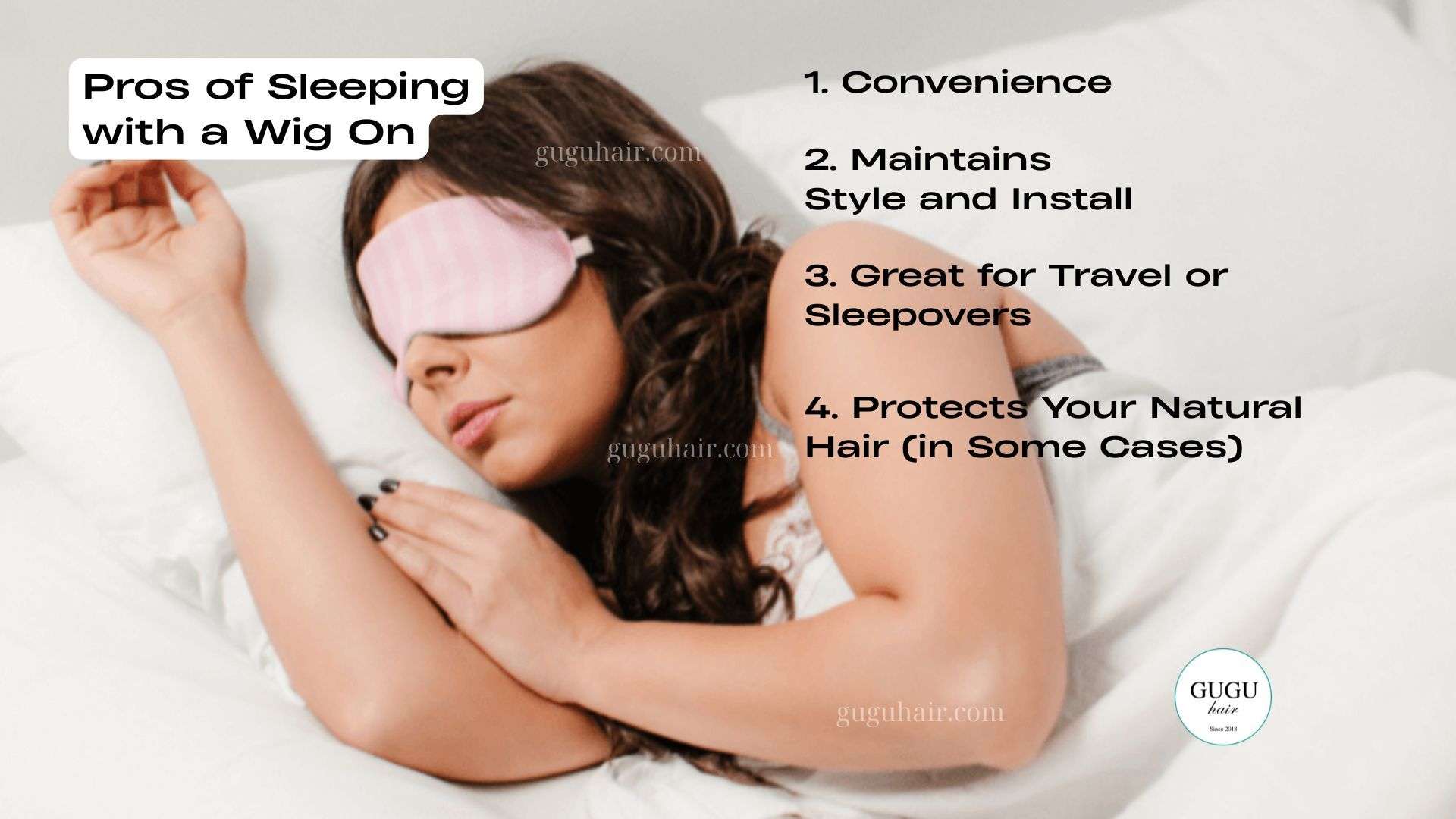
Pros of Sleeping with a Wig On
Pros of Sleeping with a Wig On
There are certain benefits to wearing your wig overnight, depending on your lifestyle, routine, and wig type.
Convenience: If you’re always on the go, removing and reinstalling your wig every day can feel like a hassle. Sleeping in your wig saves time in the morning.
Maintains Style and Install: If you’ve got a professional sew-in or glued frontal install, sleeping with your wig on preserves the style and keeps it in place longer.
Great for Travel or Sleepovers: When staying overnight away from home or sharing a space with others, keeping your wig on might feel more comfortable than taking it off publicly.
Protects Your Natural Hair: Wearing a wig (with a satin bonnet) can offer a protective layer for your braided natural hair underneath.
Cons of Sleeping with a Wig On
Wigs are investments—especially if you’re wearing 100% human hair wigs—and nighttime wear can accelerate wear and tear.
Friction (Frizz, Tangles & Shedding): Tossing and turning in your sleep creates friction between your wig and pillow, leading to matting.
Reduces Wig Lifespan: Even high-quality wigs can lose their luster faster, showing more breakage, dryness, or loose wefts over time.
Uncomfortable Sleep: Some wigs can feel bulky, hot, or itchy during sleep.
Scalp Hygiene Issues: Sleeping in a wig can trap sweat, oils, and bacteria, possibly leading to itchiness, odor, or breakouts.
Tension on Hairline: If your wig is tightly glued or sewn in, it can cause tension on your edges, leading to thinning hairlines.
Types of Wigs Most Suitable for Overnight Wear
Kinky Curly Glueless Wig- 180% density
blonde bob wig glueless- GUGU HAIR
Not all wigs are equal when it comes to sleeping:
✅ Glueless Wigs: Ideal because they don’t put extra tension on your scalp and are easy to adjust. Use an elastic band and satin bonnet for added security.
✅ Sew-in Weaves or Installations: If you’re wearing a semi-permanent style, it’s expected that you’ll sleep with the hair installed.
✅ Closure or U-Part Wigs with Secure Fit: If your closure wig fits snugly (and isn’t glued), it’s safe to sleep in occasionally.
🚫 Avoid Sleeping in: Synthetic wigs (prone to tangling) and wigs with combs or clips (can dig into your scalp).
Tips for Sleeping in a Wig Without Ruining It
Tips for Sleeping in a Wig Without Ruining It
If you must sleep in your wig, follow these tips to reduce damage:
Wear a Silk or Satin Bonnet or Scarf: This reduces friction and keeps the hair in place.
Use a Silk Pillowcase: Provides extra insurance against breakage.
Braid or Wrap Your Wig: Lightly braid long wigs to prevent matting. For short wigs, wrap the hair.
Avoid Tight Styles: Loosen ponytails or buns before sleeping to reduce stress on the wig cap.
Keep Your Scalp Clean: Use wig-friendly scalp sprays between washes.
Detangle Before and After Sleep: Always use a wide-tooth comb.
Should You Sleep in Your Wig Every Night?
Occasionally? Sure. Every night? Not ideal. If you’re wearing a high-end wig made from 100% Vietnamese human hair, you’ll want to keep it in top condition as long as possible. Giving your wig and scalp a break at night is the smarter move.
FAQs – Sleeping in a Wig
1. Is it okay to sleep in a wig every night?
It is not recommended. While possible, regular overnight wear leads to tangling, reduced lifespan, and scalp tension. Remove your wig at night when possible.
2. What type of wig is best for sleeping?
Glueless wigs and sewn-in installs are the best options. Avoid synthetic wigs or wigs with clips/combs for overnight wear.
3. Will sleeping in a wig damage my natural hair?
Yes, if worn continuously. It can cause sweat buildup, friction, and tension on the hairline, leading to thinning or breakage.
4. How can I protect my wig while sleeping?
Use a silk/satin bonnet, sleep on a silk pillowcase, and braid/wrap your wig to prevent tangles.
5. Can I sleep in a lace front or frontal wig?
Yes, but ensure it is wrapped securely to protect the lace and edges from tension.
Final Thoughts: It’s About Balance
If you value longevity, comfort, and hygiene, letting your scalp breathe at night is best. But with proper protection—like silk wraps, gentle braiding, and minimal tension—you can still enjoy the occasional overnight wear without damage.
GUGU HAIR: Premium Wigs Made to Last
At GUGU HAIR, we craft premium wigs using 100% raw Vietnamese hair that’s made to withstand styling, washing, and even occasional overnight wear. Whether you’re looking for bone straight, curly, closure, or glueless wigs, our collection delivers natural looks and long-term durability.