



Is your wig itchy or uncomfortable? Discover the most common causes of itchy wigs and proven solutions to stop irritation fast. Learn expert tips to stay comfortable with human hair wigs from GUGU HAIR.

Wearing a wig should make you feel confident, beautiful, and comfortable—not distracted by constant itching. Yet many wig wearers, especially beginners, ask the same question:
“What should I do if my wig feels itchy?”
An itchy wig is a common issue, but the good news is that it’s almost always fixable. Whether the cause is lace irritation, dryness, improper fit, or product buildup, understanding the root of the problem is the first step toward relief.
In this guide, we’ll cover:
Why wigs feel itchy
Common mistakes that cause irritation
Immediate solutions to stop itching
Long-term care tips
How high-quality wigs reduce scalp discomfort

Lace materials (especially cheaper lace) can rub against sensitive skin, causing itching or redness—particularly around the hairline and ears.
More likely with:
Hard or thick lace
Poor-quality synthetic lace
New wigs that haven’t been softened
Your natural scalp still needs moisture, even when covered.
Signs of dryness:
Flaking
Tight feeling
Persistent itching
Dry air, frequent wig wear, or skipping scalp care can all contribute.
Excess glue, gel, mousse, or hairspray can clog pores and irritate the scalp.
This often happens with:
Heavy lace adhesives
Improper wig removal
Not cleansing the scalp regularly
A wig that’s too tight reduces airflow and creates friction, leading to itching and even headaches.
Low-quality caps or synthetic fibers can trap heat and sweat, causing irritation—especially in hot climates.

If itching becomes intense:
Take off the wig
Gently cleanse your scalp
Let your skin breathe
Never ignore persistent irritation.
A breathable wig cap creates a barrier between your scalp and the wig.
Best options:
Cotton wig caps
Bamboo fiber caps
Scalp protector sprays
Avoid caps that are too tight or synthetic.
Apply:
Aloe vera gel
Lightweight scalp oil
Scalp mist
⚠️ Avoid heavy oils that can cause buildup.
Use adjustable straps or elastic bands instead of pulling the wig too tight.
A properly fitted wig should feel secure but comfortable.

Premium wigs use:
HD lace
Transparent lace
Soft Swiss lace
These materials are thinner, softer, and far less irritating.
Dirty wigs trap sweat and bacteria.
Recommended schedule:
Every 7–14 wears for daily use
After heavy sweating
Use sulfate-free shampoo and lukewarm water.
Even if your wig looks clean, your scalp may not be.
Use:
Micellar scalp cleansers
Witch hazel wipes
Gentle scalp sprays
Too much glue = clogged pores.
Tips:
Apply thin layers
Use skin-safe adhesive
Always remove adhesive completely
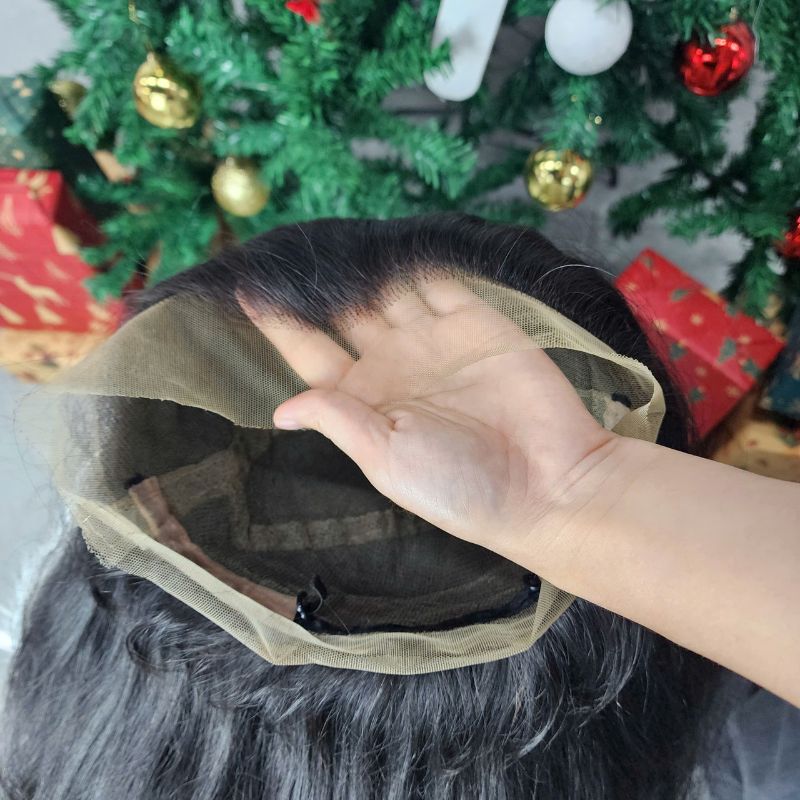

Less lace contact
Easier maintenance
Good for beginners
More breathable
Lighter overall
Better airflow
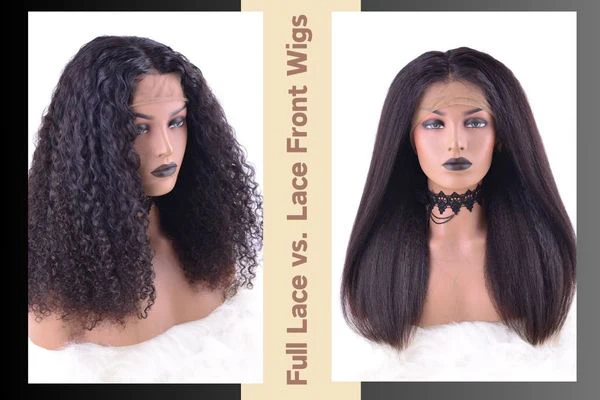
Both can be comfortable if made with high-quality lace and hair.

Synthetic wigs often:
Trap heat
Cause sweating
Increase itching
100% human hair wigs, especially those made from raw Vietnamese hair, allow better airflow and feel lighter on the scalp.
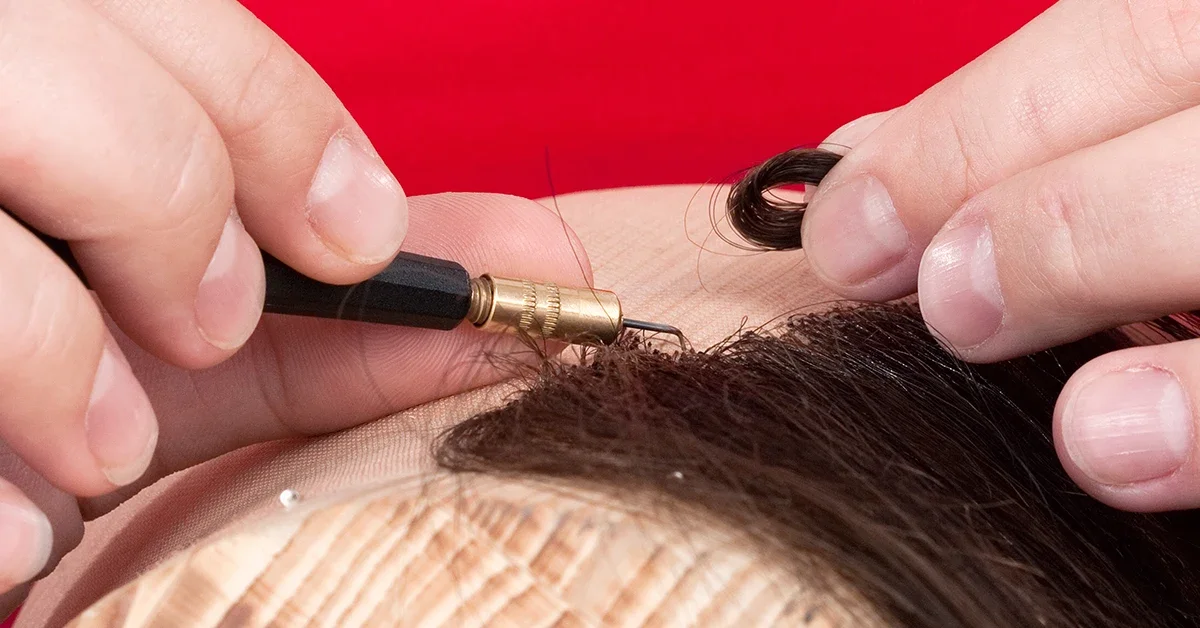
Low-quality wigs may cause:
Excess shedding into the cap
Rough lace edges
Chemical residue
High-quality wigs, like those from GUGU HAIR, are:
Carefully washed and sanitized
Made with soft, breathable lace
Designed for long-term comfort

If you have sensitive skin:
Always wear a wig cap
Choose glueless wigs
Avoid alcohol-based products
Patch-test adhesives
Comfort should never be sacrificed for style.

Remove your wig immediately if you notice:
Burning sensation
Redness or rash
Persistent itching after removal
Consult a dermatologist if symptoms continue.
At GUGU HAIR, comfort is just as important as beauty.
Soft HD & transparent lace
Breathable cap construction
100% raw Vietnamese human hair
No harsh chemical processing
Smooth inner cap finishes
These features help reduce friction, sweating, and irritation—especially for long wear.
Q: Is itching normal with a new wig?
Yes, mild itching can happen initially, but it should stop after proper fitting and scalp care.
Q: Can I use anti-itch spray?
Yes, but choose scalp-safe, alcohol-free products.
Q: Does hair length affect itching?
Not directly, but longer wigs can trap more heat if the cap isn’t breathable.
If your wig feels itchy, don’t panic—and don’t suffer in silence. Most itching is caused by simple, fixable issues like dryness, fit, or product buildup.
With proper scalp care, breathable materials, and high-quality wigs, wearing a wig can be just as comfortable as your natural hair.
✨ At GUGU HAIR, we believe a great wig should feel as good as it looks.
Contact us:
+ Whatsapp: +(84)385637191
+ Alibaba: GUGUHAIR
+ Email: guguhair99@gmail.com
+ Factory Address: Phu Luu, Trung Nghia, Yen Phong, Bac Ninh
+ Office Address:#2, street 5, galaxy van Phuc, To Huu, Ha Dong, Hanoi





TOP 1 GUGU HAIR
FACTORY VIETNAM
Website chính thức Xôi Lạc TV
Kênh trực tiếp bóng đá Xoilac TV HD
Quan tâm :Link Vebo TV trực tiếp bóng đá
Xem RakhoiTV tiếng Việt
Xem trực tiếp bóng đá Mi Tom TV
Link Uniscore tỷ số bóngá UniScore.com
Bóngá Socolive 1 tv trực tiếp tiếng Việt
Kênh Xoilac TV chính thức
link vào 8xbet