

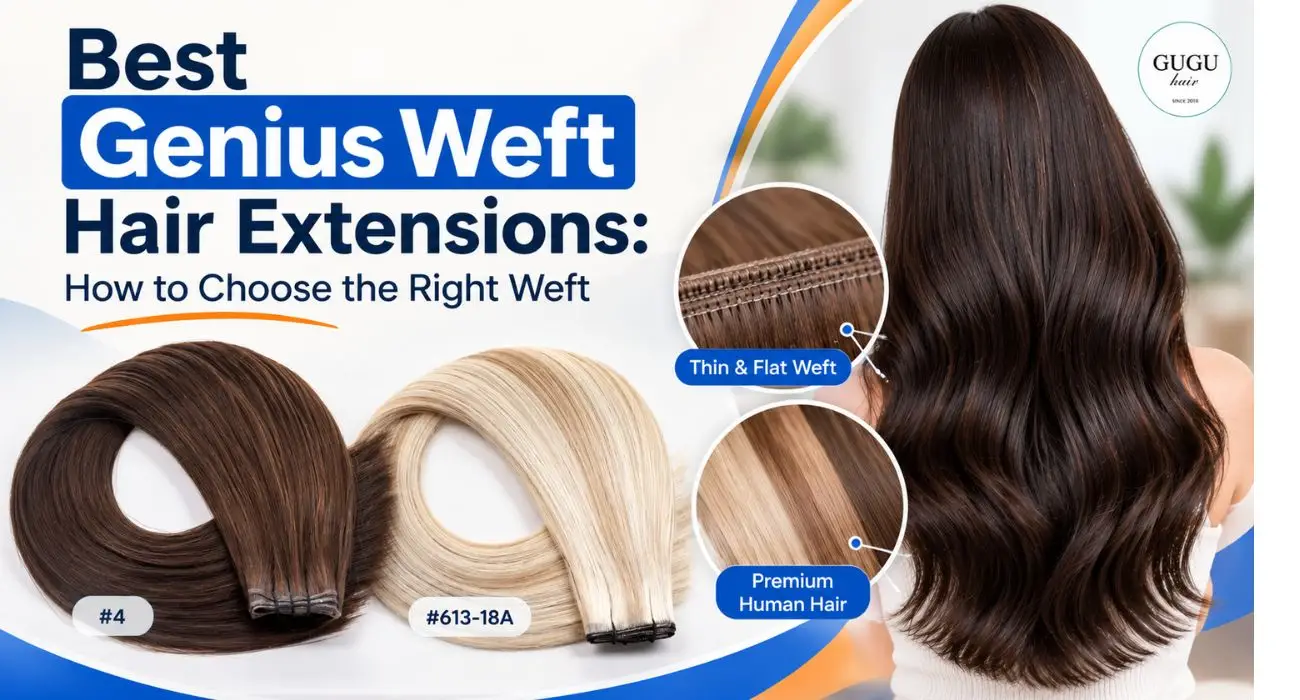

When choosing a human hair wig, density affects how full and voluminous the hair looks. Among fuller options, 180, 200, and 250 density wigs can create noticeably different results.
A 180 density wig offers a full but relatively natural appearance, while 200 density adds more volume. A 250 density wig creates a much thicker, more dramatic look.
Here is a simple comparison to help you understand the difference.
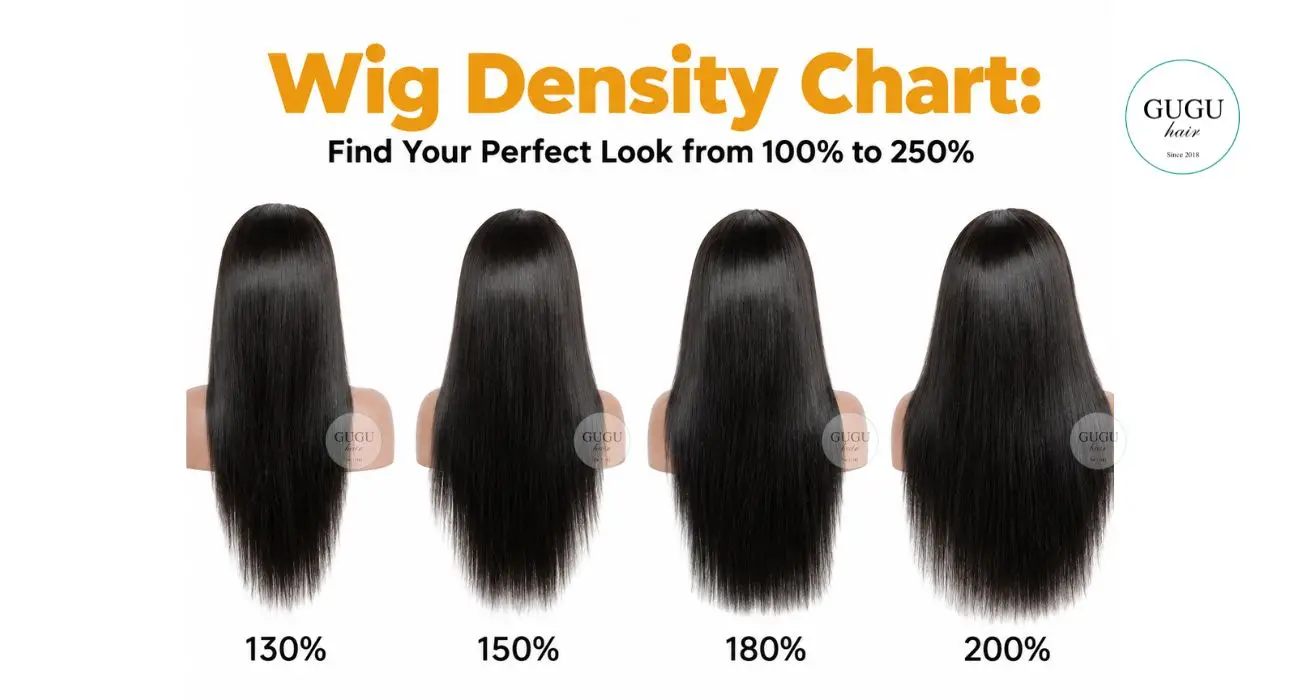
Wig density describes how much hair is used throughout a wig and how full it appears when worn.
A higher density generally creates more volume and fullness. However, the final appearance can also vary depending on hair length, texture, layering, and styling.
If you want to understand lighter density options, you can also read our guide to 150 vs 180 wig density.
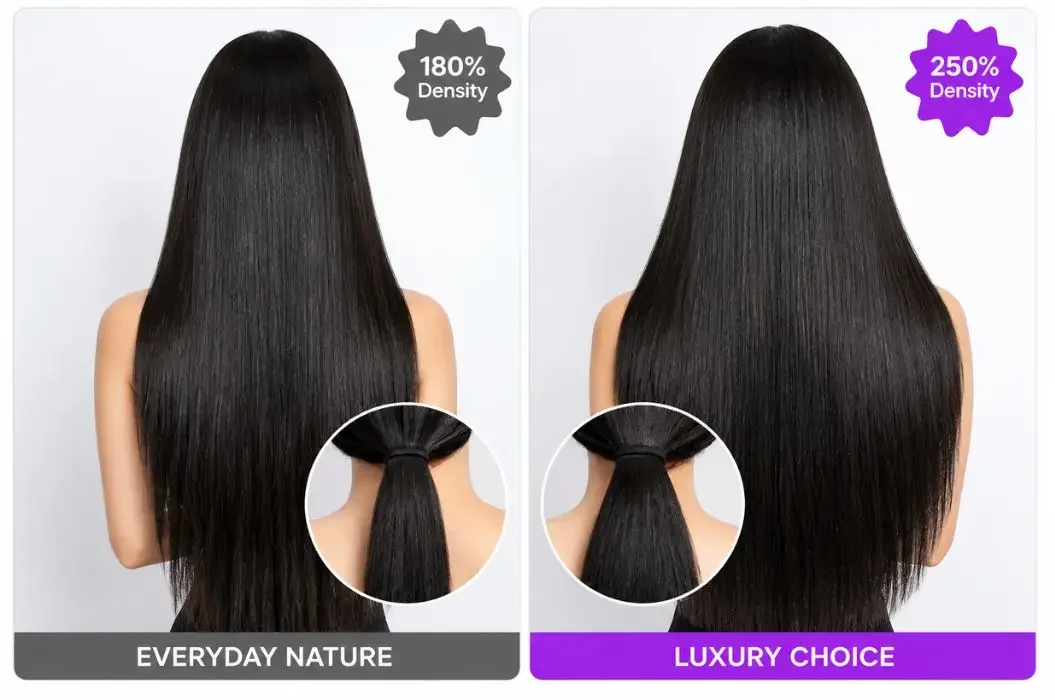
A 180 density wig provides noticeable fullness without creating an extremely heavy appearance.
It works particularly well for people who want long hair with good volume while still maintaining a balanced look. Straight, body wave, and other textures can all look naturally full at this density.
For many hairstyles, 180 density sits between a natural-looking finish and a more glamorous full-hair appearance.
A 200 density wig contains more hair than a 180 density option, creating additional fullness throughout the hairstyle.
The difference can become especially noticeable on longer wigs, where extra density helps maintain a fuller appearance through the lengths and ends.
A 200 density wig is worth considering when you want more volume than 180 density without moving directly to an extremely thick look.
A 250 density wig is designed for a very full and voluminous appearance.
Compared with 180 and 200 density wigs, the additional hair creates noticeably greater thickness. This density works particularly well for dramatic hairstyles, extra-long wigs, photoshoots, or styles where maximum volume is the goal.
Because more hair is used, a 250 density wig may also feel heavier than lower-density options.
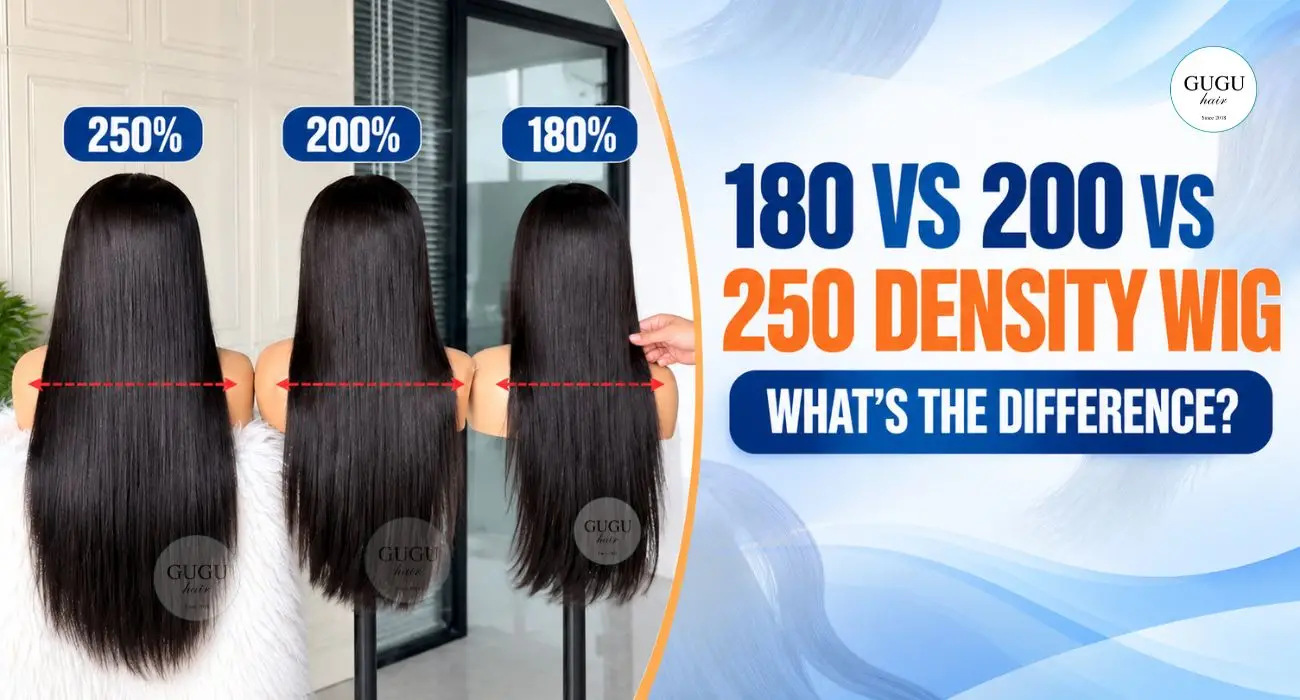
The main difference between these three densities is the level of fullness.
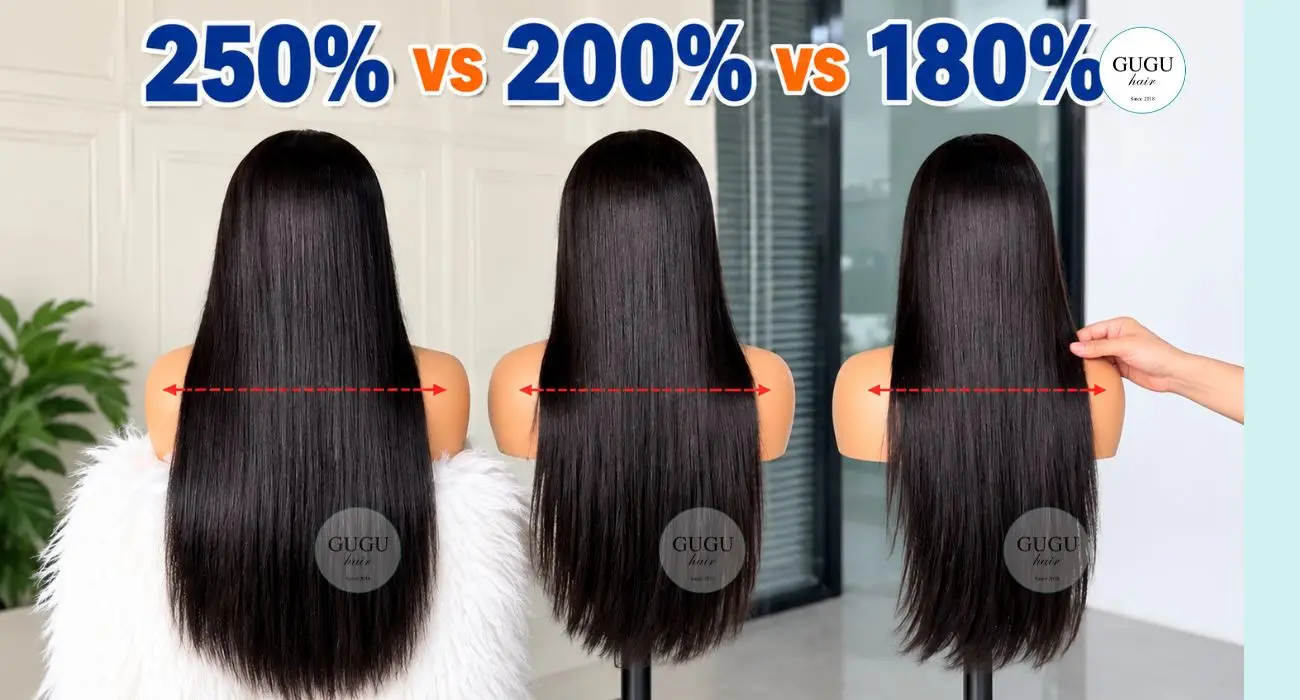
180% density – Full with a relatively natural appearance. Suitable when you want noticeable volume without excessive thickness.
200% density – Fuller than 180%, giving long hairstyles more body and volume.
250% density – Very full and thick, creating the most dramatic appearance of the three.
The difference becomes easier to see when wigs with the same length and texture are compared side by side.
Yes. Wig length can change how density is perceived.
On shorter hair, the same amount of hair is concentrated across a smaller visible area, which can make the wig appear particularly full. With extra-long hair, the strands are distributed over a greater length.
This is why higher densities such as 200% or 250% are often considered when someone wants an extra-long hairstyle to maintain a very full appearance from the upper sections through the ends.
Texture also matters. Curly and deep wave hair naturally creates more visible volume than straight hair at a similar density.
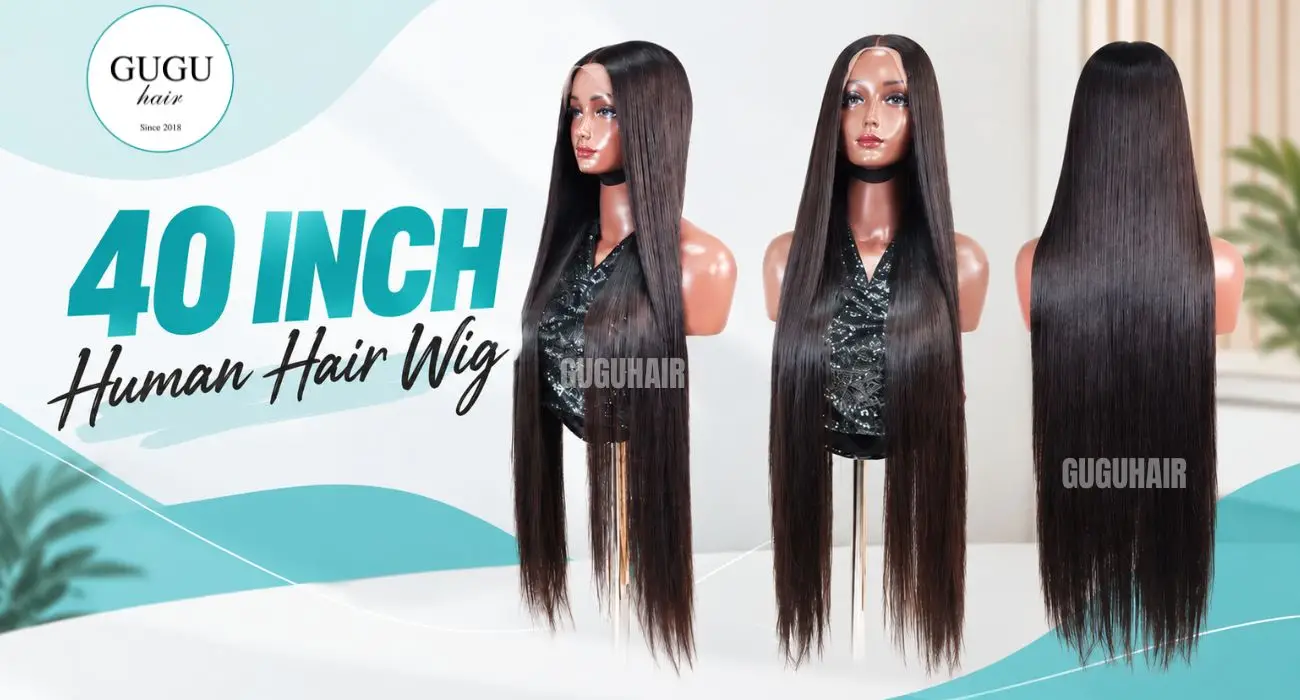
For extra-long styles, see what a 40 inch wig looks like and how length can affect the overall appearance of the hair
The choice mainly depends on how much fullness you want.
Choose 180 density if you prefer a full yet balanced appearance.
Choose 200 density if you want noticeably more volume, particularly with longer hairstyles.
Choose 250 density if your priority is maximum fullness and a bold, dramatic hairstyle.
Rather than focusing only on the density number, consider how the density will work together with your preferred length and texture.
You can explore our human hair wigs in different lengths, textures, and densities to find the right option.
The difference between a 180, 200, and 250 density wig mainly comes down to fullness and volume.
A 180 density wig provides a balanced full look, 200 density adds more noticeable volume, and a 250 density wig creates the thickest and most dramatic appearance.
Understanding these differences makes it easier to choose the density that matches the final hairstyle you want.



TOP 1 GUGU HAIR
FACTORY VIETNAM