

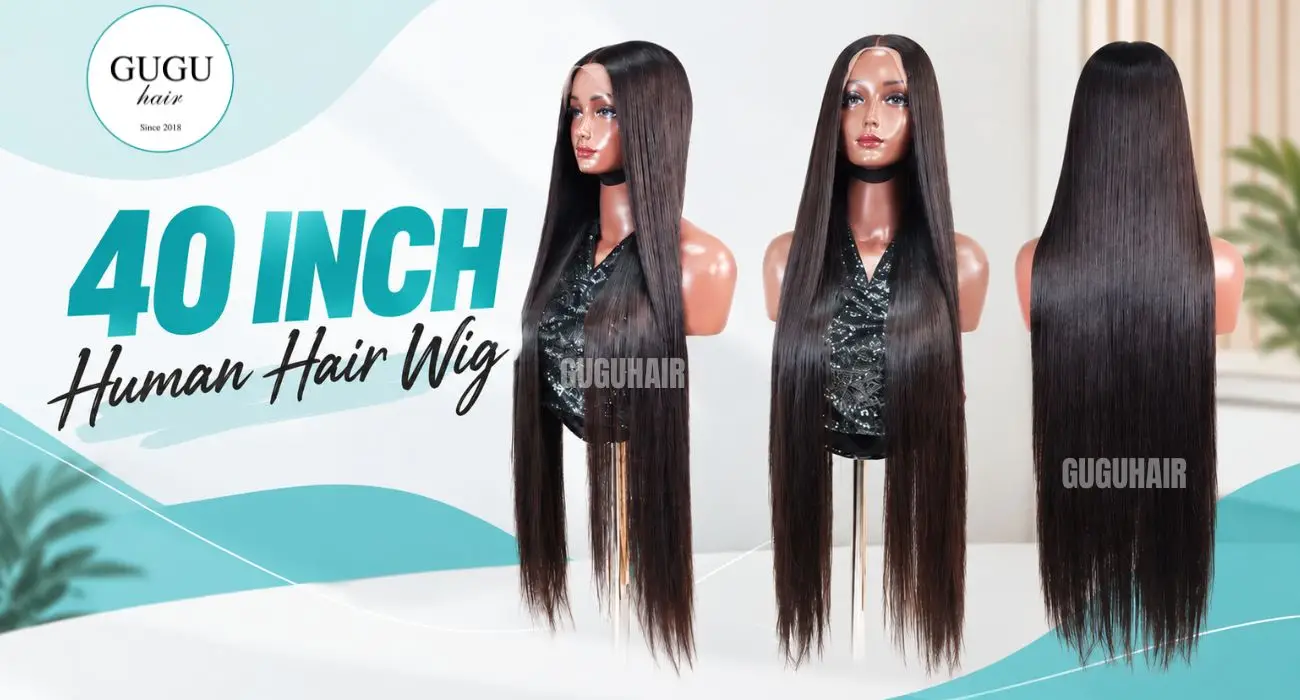


Winter can be a wonderland of snowflakes, cozy sweaters, and hot chocolate- but for your hair, it’s often a season of dryness, frizz, split ends, and breakage. Cold air, indoor heating, and low humidity strip your hair of moisture, leaving it brittle and vulnerable.
Whether you have curly, straight, natural, colored, or chemically treated hair, it’s important to switch up your routine in colder months to protect your strands and scalp.
In this guide, you’ll learn how to build the ultimate winter hair care routine to keep your locks soft, strong, and frizz-free. Let’s dive into the best practices, product tips, and protective habits that restore hydration, strengthen hair structure, and prevent winter hair damage.

Why:
Frequent washing strips natural oils that are essential for maintaining moisture, especially in winter.
How To Adjust:
Reduce washing to 1–2 times per week.
Use sulfate-free, hydrating shampoos that cleanse without drying.
Consider a co-wash (conditioner-only wash) if your hair gets dry easily.
Bonus Tip:
Use lukewarm water—hot water worsens dryness and damages your scalp.

Why:
Winter air draws moisture from your hair, making a hydrating product duo essential.
What to Look For:
Shampoos with glycerin, aloe vera, shea butter, or coconut oil
Conditioners with argan oil, avocado oil, or keratin proteins
Recommended Products:
SheaMoisture Raw Shea Butter Moisture Retention Shampoo
OGX Hydrating + Coconut Milk Conditioner

Why:
A weekly deep conditioning treatment replenishes lost moisture and adds a protective layer to the hair shaft.
How To Do It:
Apply a deep conditioner or hair mask after shampooing.
Cover with a plastic cap and wrap in a warm towel for 20–30 minutes.
Rinse with cool water to seal the cuticle.
DIY Mask Idea:
Mash 1 ripe avocado + 2 tablespoons olive oil + 1 tablespoon honey = a hydrating homemade mask.
Why:
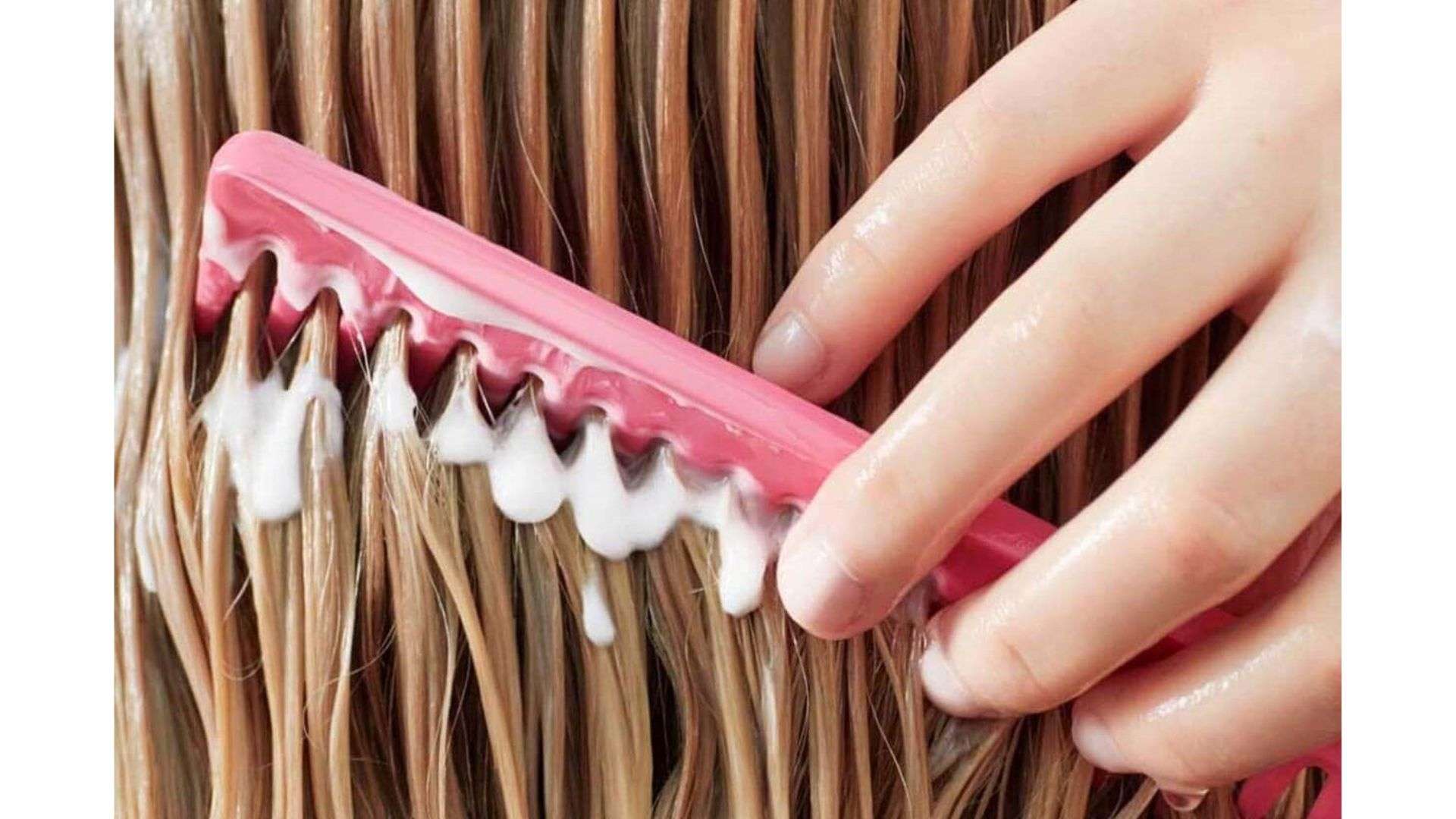
Leave-ins and oils seal moisture in, prevent static, and tame frizz.
Top Picks:
Leave-In Conditioner: Cantu Shea Butter Leave-In Conditioning Repair Cream
Hair Oil: Mielle Organics Rosemary Mint Scalp & Hair Strengthening Oil
Pro Tip:
Apply leave-in conditioner while hair is still damp, then follow with oil to lock everything in.

Why:
Blow dryers, curling irons, and straighteners dehydrate hair, especially when the air is already dry.
How To Limit Damage:
Air dry whenever possible.
Always use a heat protectant spray before styling.
Opt for lower heat settings on tools.
Alternative Styling Options:
Try heatless curls (braid overnight), flexi rods, or twist-outs.
Why:
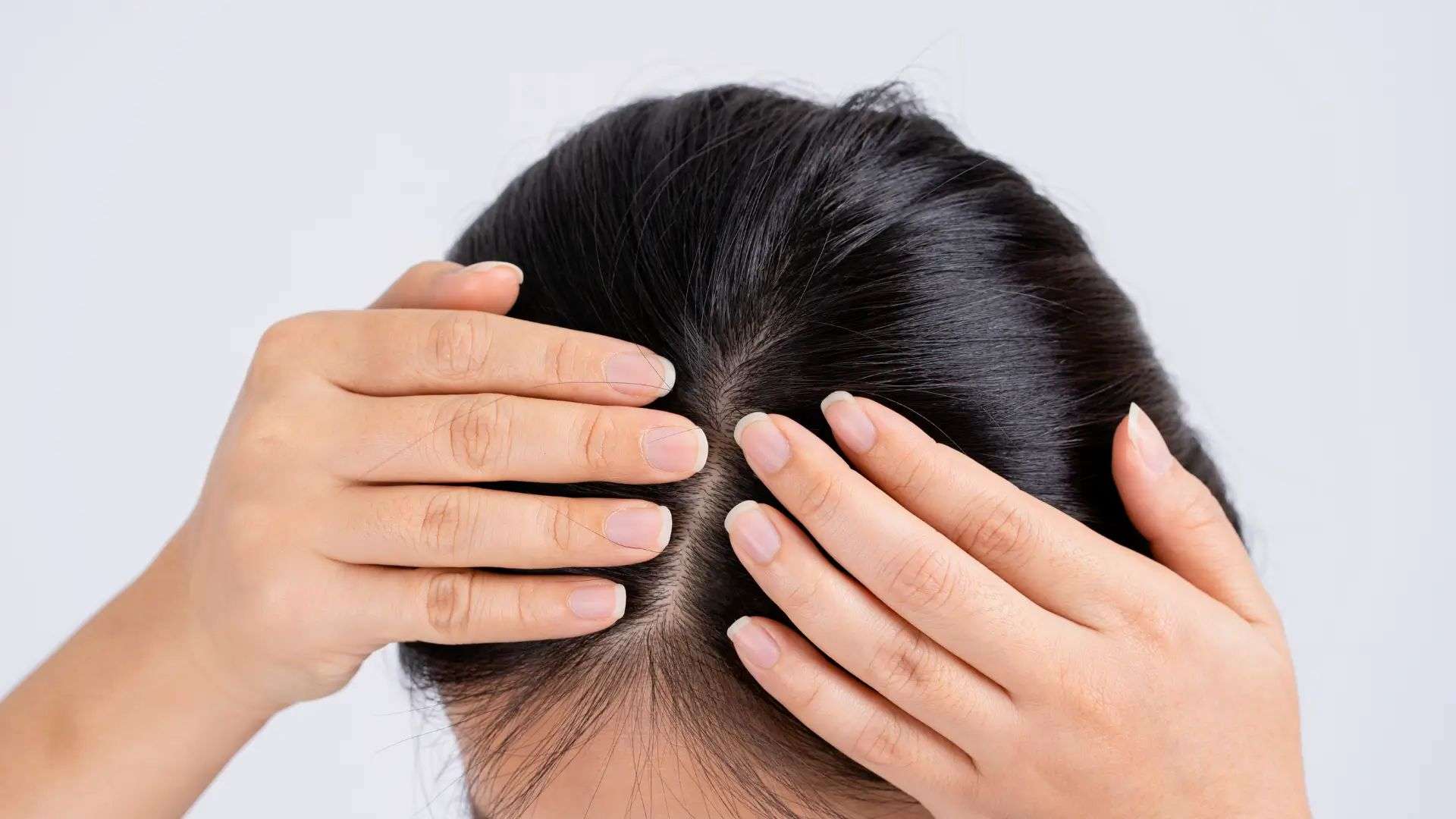
A dry, itchy, flaky scalp is common in winter and can lead to dandruff or slower hair growth.
Scalp Care Tips:
Massage scalp with warm oil 2–3 times a week (coconut, jojoba, or castor oil).
Use a gentle exfoliating scrub once a month to remove buildup.
Stay hydrated—drink water to support scalp and skin health from within.

Why:
Friction from cotton pillowcases causes frizz, tangles, and breakage.
Winter Hair Sleep Routine:
Sleep on a silk or satin pillowcase.
Wear a satin bonnet or scarf at night.
Loosely braid or twist hair to prevent knots.
Why:
Dry ends split faster in cold weather, working their way up the shaft and leading to breakage.
How Often:
Trim every 6–8 weeks, even if it’s just a “dusting” to remove split ends.

Why:
Protective styles minimize exposure to harsh weather and reduce manipulation.
Winter-Friendly Styles:
Braids
Twists
Wigs
Sew-in weaves
Low buns or tuck-and-roll styles
Make sure not to install too tightly to avoid tension on your edges.
Why:
Hair health starts from within. Winter often causes us to drink less water, which leads to dehydrated hair and skin.
Winter Nutrition Tips:
Drink 6–8 glasses of water daily
Eat foods rich in omega-3 fatty acids (salmon, chia seeds)
Add biotin, vitamin E, and collagen to your supplement routine
Why:
Indoor heating systems create a dry environment that robs your hair and skin of moisture.
Solution:
Use a humidifier in your bedroom or living room to add moisture to the air and reduce static and dryness.

If you wear wigs or hair extensions, winter care is just as important:
Wig Care Tips:
Store wigs on a mannequin head or stand.
Moisturize with lightweight leave-ins to prevent tangling.
Use a satin-lined wig cap to reduce scalp dryness.
Extension Care Tips:
Keep scalp moisturized under installs.
Avoid overwashing sewn-in extensions.
Deep condition bundles if reused.
For premium quality wigs and extensions, consider 100% raw Vietnamese hair—known for its durability, silkiness, and strength, even in harsh weather conditions.
| Step | Product Type | Frequency |
|---|---|---|
| 1 | Sulfate-Free Shampoo | 1–2x/week |
| 2 | Moisturizing Conditioner | After every wash |
| 3 | Deep Conditioner or Hair Mask | Weekly |
| 4 | Leave-In Conditioner | After every wash |
| 5 | Hair Oil | 2–3x/week |
| 6 | Scalp Massage | 2–3x/week |
| 7 | Trim | Every 6–8 weeks |
| 8 | Protective Style | Lasts 1–3 weeks |
| 9 | Humidifier | Daily |
| 10 | Silk/Satin Pillowcase | Nightly |
Q: How do I prevent my hair from getting frizzy in winter?
Use moisturizing products, avoid heat styling, and always protect your hair from dry indoor air and wind with scarves or hats.
Q: Should I oil my scalp in winter?
Yes! Use lightweight oils like jojoba or tea tree to combat scalp dryness and flaking.
Q: Can I still color my hair in winter?
Yes, but use moisture-rich aftercare products and avoid excessive heat styling.
Q: Are wigs good for protecting hair in winter?
Absolutely. Wigs are a great protective style that shield your natural hair from harsh weather while letting you change up your look.

Winter doesn’t have to be the season your hair dreads the most. With a hydration-focused routine, protective styles, and smart product choices, you can keep your hair healthy, strong, and beautiful even in the coldest months.
Whether you’re going natural, rocking a sew-in, or switching up styles with high-quality wigs, proper care is the key to avoiding dryness, breakage, and frizz.
And if you’re in the market for durable hair extensions or wigs that can withstand winter stress, consider investing in premium raw Vietnamese hair from a trusted supplier like GUGU HAIR—designed to look gorgeous all year long.
Contact us:
+ Whatsapp: +(84)385637191
+ Alibaba: alibabaGUGUHAIR
+ Email: guguhair99@gmail.com
+ Factory Address: Phu Luu, Trung Nghia, Yen Phong, Bac Ninh
+ Office Address:#2, street 5, galaxy van Phuc, To Huu, Ha Dong, Hanoi

TOP 1 GUGU HAIR
FACTORY VIETNAM