

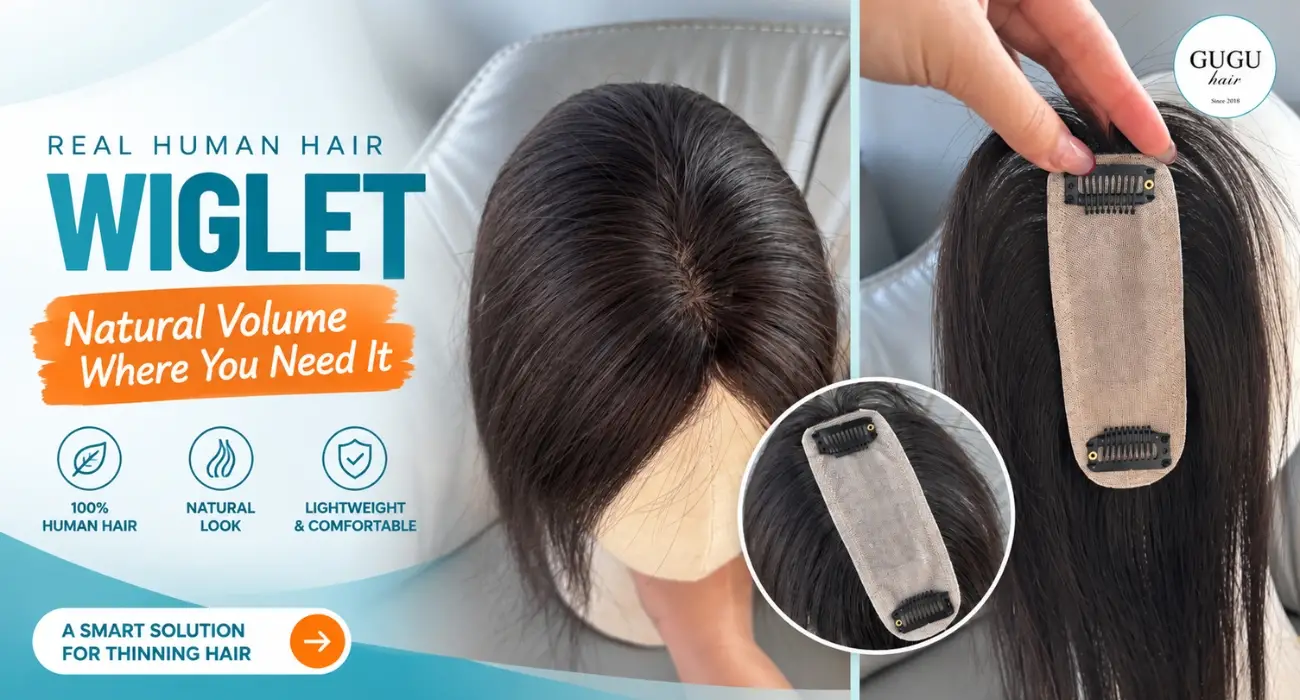

Real human hair wiglets are small hairpieces designed to add hair, coverage, or volume to a specific area rather than covering the entire head like a full wig.
They can be useful for women who want to enhance a particular area of their existing hair while keeping much of their natural hair visible. Because wiglets are available in different constructions, lengths, colors, and textures, understanding how they work is important before choosing one.
This guide explains what human hair wiglets are, how they are used, their key characteristics, and what to consider when selecting one.
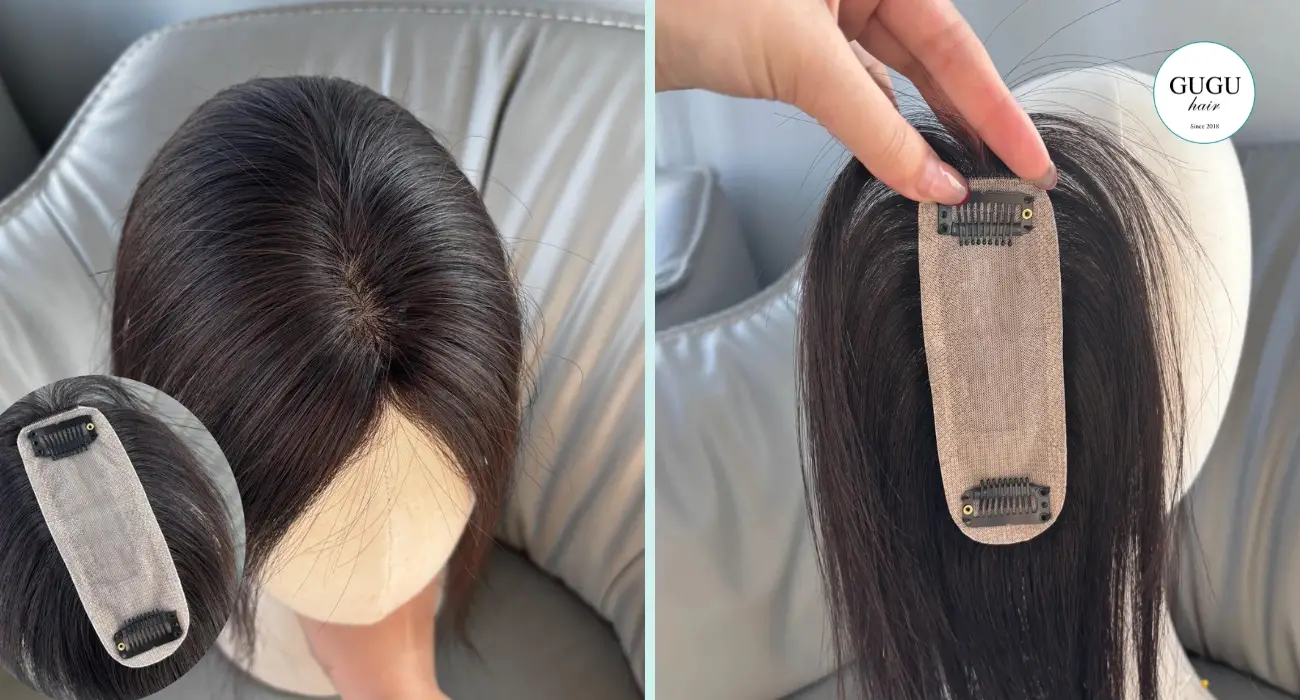
A wiglet is a partial hairpiece used to supplement existing hair in a targeted area of the head.
Unlike a full wig, which covers most or all of the natural hair, a wiglet is intended to work together with the wearer’s existing hair.
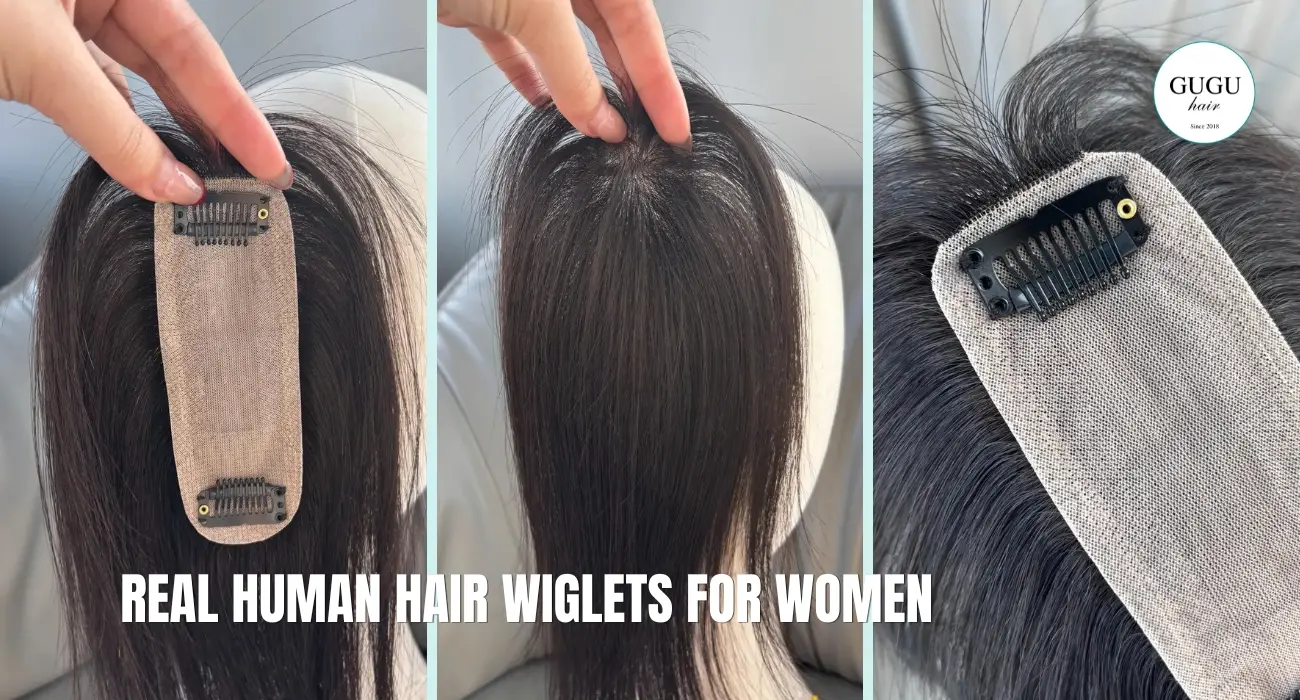
Depending on its design and placement, a wiglet may be used to:
A real human hair wiglet uses human hair rather than synthetic fibers. This can provide natural movement and gives the wearer more flexibility when blending and styling the hairpiece with existing hair.
Human hair wiglets work by adding hair to a selected area while allowing the wearer’s own hair to remain part of the finished style.
Instead of replacing the entire hairstyle, the wiglet supplements it.
The exact placement depends on the design of the hairpiece and the wearer’s needs. Once positioned, the wiglet hair is blended with the surrounding natural hair to create a more cohesive appearance.
Three factors are especially important:
Placement: The wiglet should sit where additional hair or coverage is required.
Attachment: The attachment system should correspond with the particular wiglet construction and intended use.
Blending: The wiglet’s color, length and texture should work with the surrounding natural hair.
A wiglet that matches these elements well is generally easier to integrate into an existing hairstyle.
One of the first distinctions buyers may encounter is between human hair and synthetic hairpieces.
Real human hair wiglets are made with human hair, while synthetic wiglets use manufactured fibers.
The most relevant difference is styling behavior.
Human hair generally provides natural movement and can offer greater styling flexibility. This can be particularly useful when the wiglet needs to blend with the wearer’s own hair.
Synthetic hairpieces can behave differently because their appearance and styling properties depend on the fibers used.
Neither material should be selected based only on the label. Consider how the wiglet will be worn, how much styling will be required, and how closely it needs to integrate with the wearer’s existing hair.
The term “wiglet” can refer to different partial hairpiece designs rather than one universal construction.
They may vary in:
This is why two products described as human hair wiglets may serve different purposes.
Rather than choosing solely by the product name, look at where the hairpiece is intended to sit and what area it is designed to enhance.
A smaller piece may be suitable when only targeted volume is wanted, while another construction may provide broader coverage.
For women specifically considering human hair, one of the main advantages is the ability of the hairpiece to work naturally with existing hair.
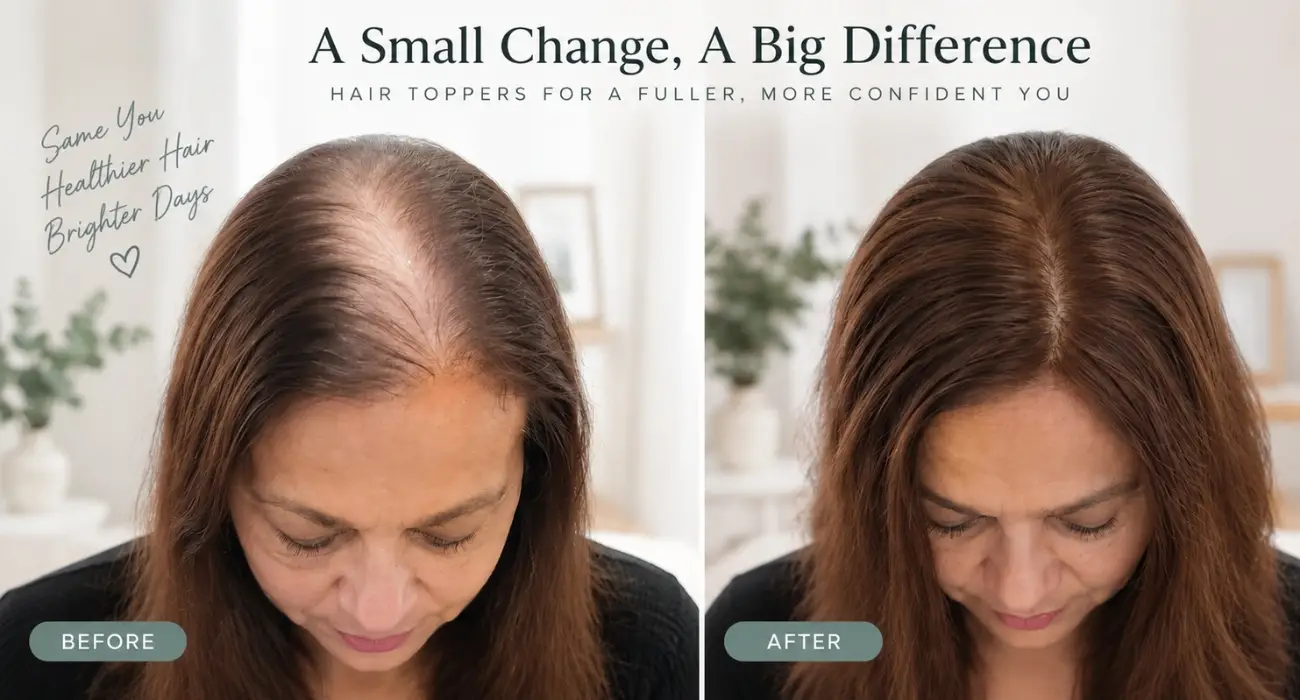
Some women consider wiglets for thinning hair when they want additional volume or coverage in a particular area.
However, the appropriate hairpiece depends on where the thinning occurs and how much coverage is needed.
A small wiglet designed primarily to add volume may serve a different purpose from a larger hairpiece intended to provide more coverage.
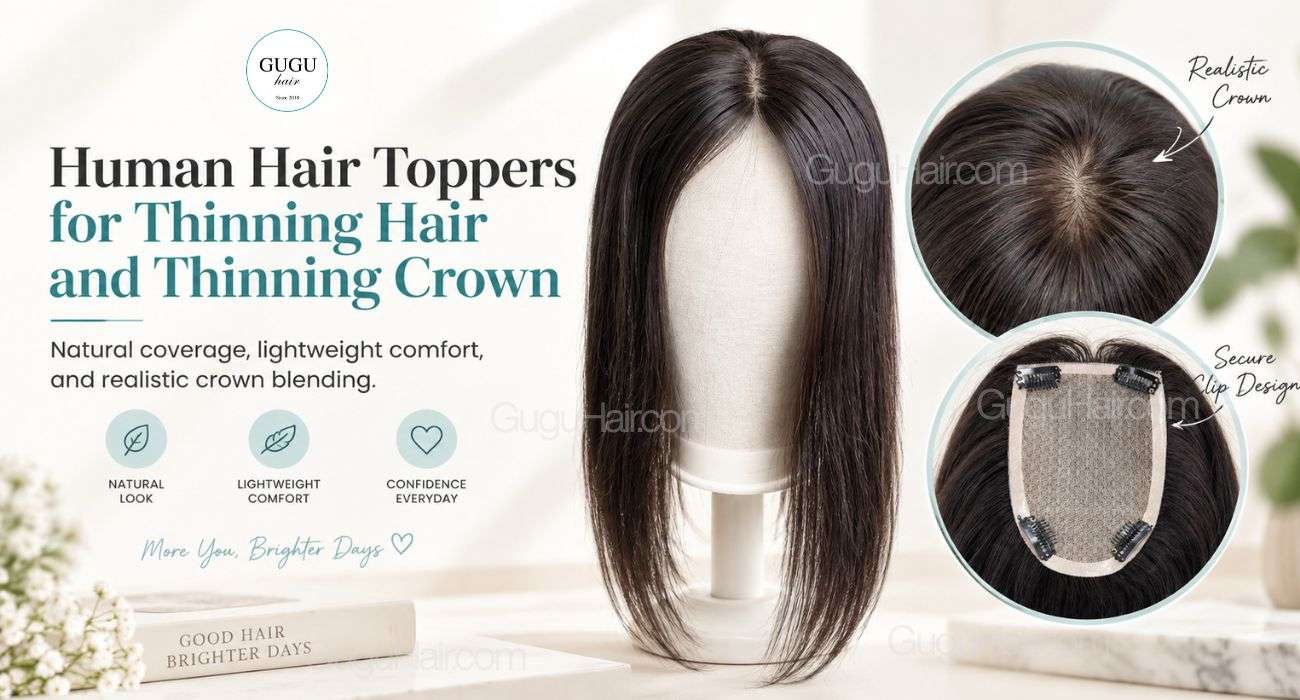
If your main concern is thinning around the top or crown, our guide to human hair toppers for thinning hair and thinning crown explains that specific use case in greater detail.
This article stays focused on wiglets rather than covering the broader subject of thinning-hair solutions.
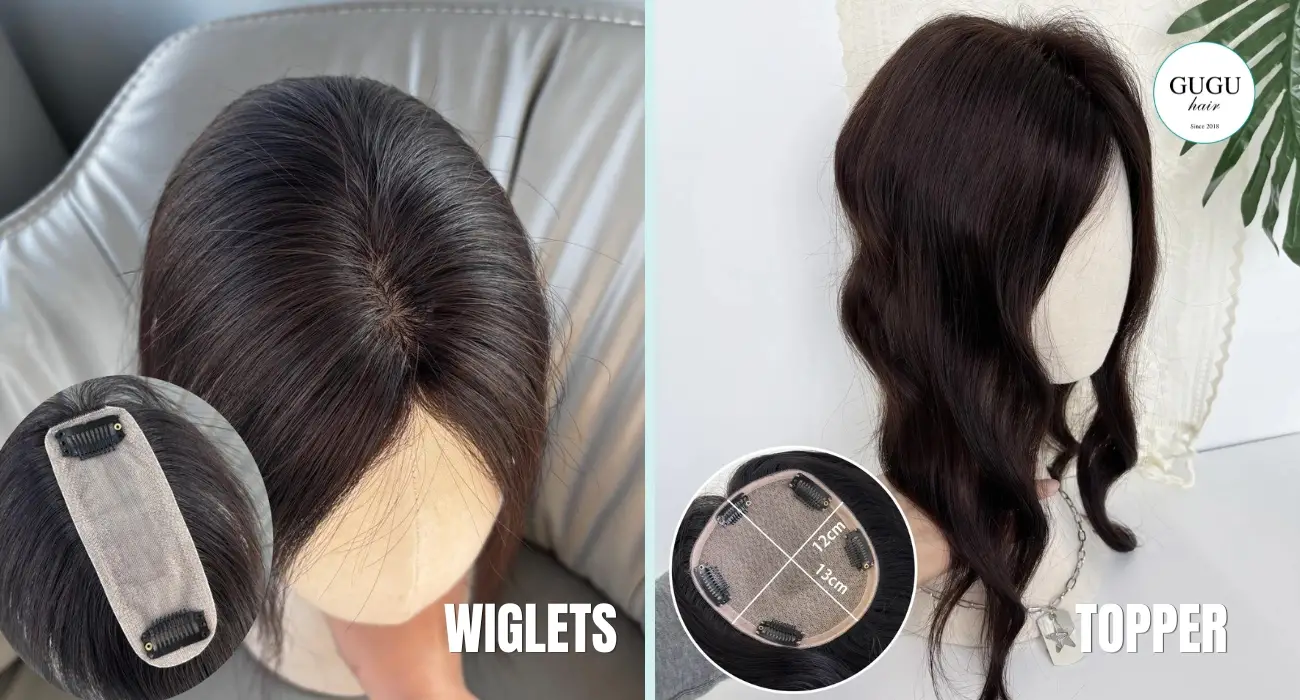
The terminology around partial hairpieces can sometimes overlap, so it is useful to understand the general distinction.
| Hairpiece | General Purpose | Coverage |
|---|---|---|
| Wiglet | Supplements natural hair in a selected area | Partial/targeted |
| Hair Topper | Adds coverage and volume primarily to the top area | Partial, depending on base |
| Wig | Provides an entire hairstyle | Most or all of the head |
A wiglet is therefore not simply a smaller wig. Its purpose is generally to integrate with existing hair rather than replace the entire hairstyle.
Hair toppers are also partial hairpieces, and terminology between toppers and wiglets may vary between brands and sellers. The product’s actual base, coverage and intended placement are therefore more useful than relying only on its name.
For a deeper explanation of toppers specifically >> see our complete guide to human hair toppers for women.
When comparing real human hair wiglets, start with your intended result rather than appearance alone.
A simple selection process is:
1. Identify the purpose.
Decide whether you primarily want additional volume, targeted coverage or another styling effect.
2. Identify the placement.
Determine exactly where the additional hair is needed.
3. Consider the construction.
Check whether the size, base and attachment design correspond with your intended placement.
4. Match the hair.
Compare color, length and texture with your existing hair.
5. Consider your routine.
Think about how often you expect to wear and style the wiglet.
This section is intentionally focused on wiglet-specific considerations. If you are deciding between different types of toppers instead, a dedicated hair topper buying guide is more useful than applying wiglet criteria to every partial hairpiece.
>> Not sure if a hair topper is the better option for your needs? Explore our guide to the best hair toppers for women to learn how to choose the right coverage, base, color, length, and texture.
The exact application process depends on the construction and attachment method of the wiglet, so there is no single installation method that applies to every product.
In general, successful blending involves positioning the hairpiece in the intended area and integrating its hair with the surrounding natural hair.
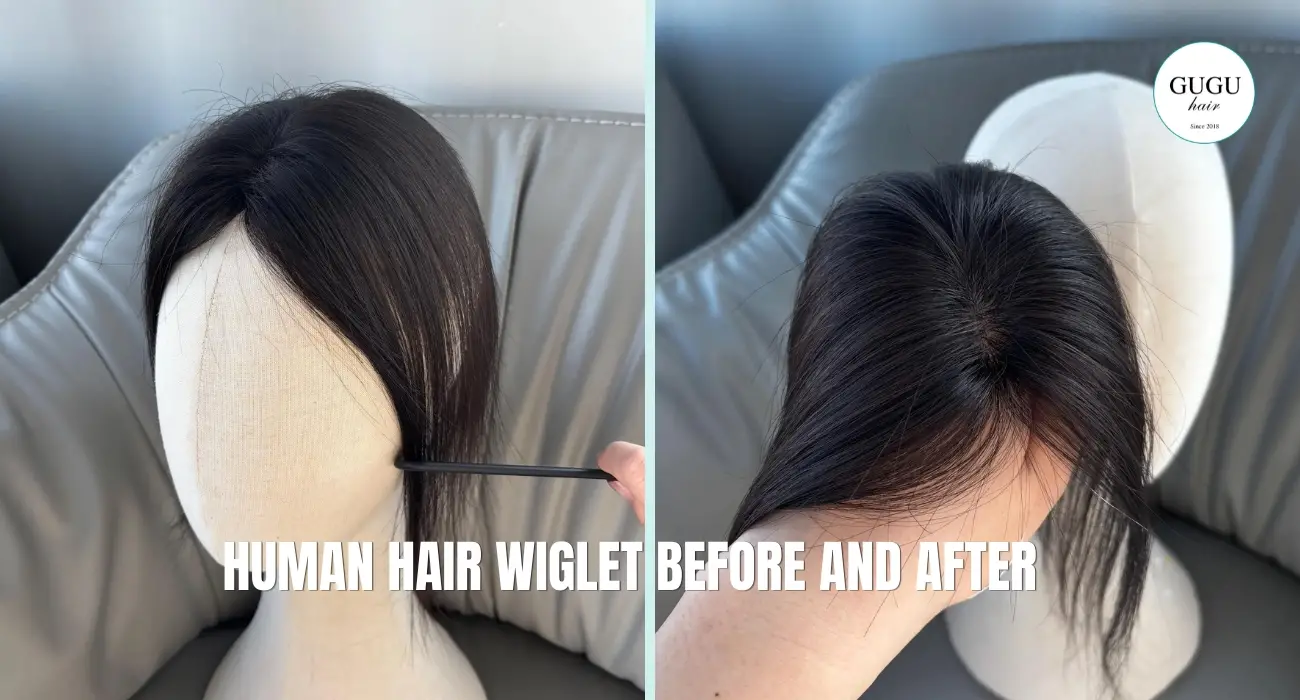
Pay particular attention to:
Avoid forcing a hairpiece into a position it was not designed for.
After attachment, gentle styling can help the wiglet and natural hair appear more cohesive.
Proper care helps maintain the appearance and manageability of a human hair wiglet.
The exact care routine should always follow the instructions provided for the specific product, but several general principles are useful.
Handle the hair gently when brushing or detangling. Avoid unnecessary pulling around the base or attachment points.
When washing is required, use suitable hair-care products and avoid aggressive rubbing or twisting. Allow the hairpiece to dry appropriately before storing or styling it.
Heat styling should also be approached carefully. Human hair can offer styling flexibility, but repeated or excessive heat can affect hair condition over time.
When the wiglet is not being worn, store it in a way that helps protect the hair and preserve its shape.
What is a human hair wiglet?
A human hair wiglet is a partial hairpiece made with human hair. It is designed to supplement existing hair in a selected area rather than covering the entire head like a full wig.
Are wiglets made from real human hair?
Wiglets can be made from different materials. A real human hair wiglet specifically uses human hair rather than synthetic fibers.
What are human hair wiglets used for?
Depending on their design, wiglets may be used to add targeted volume, additional hair or coverage and to enhance particular hairstyles.
Can wiglets be used for thinning hair?
Some wiglets may be suitable for adding hair or volume in areas where additional coverage is wanted. Suitability depends on the location and amount of coverage required as well as the construction of the hairpiece.
Is a wiglet the same as a hair topper?
The terms can overlap depending on the seller or brand, but they are not always used identically. Hair toppers generally refer to partial hairpieces designed for top-of-head coverage, while wiglet is a broader term that may describe smaller or targeted supplemental hairpieces.
Checking the actual construction and intended coverage is more useful than relying only on terminology.
Is a wiglet the same as a wig?
No. A full wig generally covers most or all of the head, whereas a wiglet is a partial hairpiece intended to work with the wearer’s existing hair.
How do I choose the best human hair wiglet?
Start with the area and purpose for which you need additional hair. Then evaluate the wiglet’s coverage, construction, color, length, texture and attachment method in relation to your natural hair and styling routine.
Real human hair wiglets provide a way to add hair, volume or targeted coverage without replacing the entire hairstyle.
The key is understanding the purpose of the individual hairpiece. Look at its coverage, construction and placement first, then consider how well its color, length and texture will integrate with your existing hair.
Rather than searching for one universally best human hair wiglet, focus on finding a piece that fits your specific hair and styling needs.


TOP 1 GUGU HAIR
FACTORY VIETNAM