

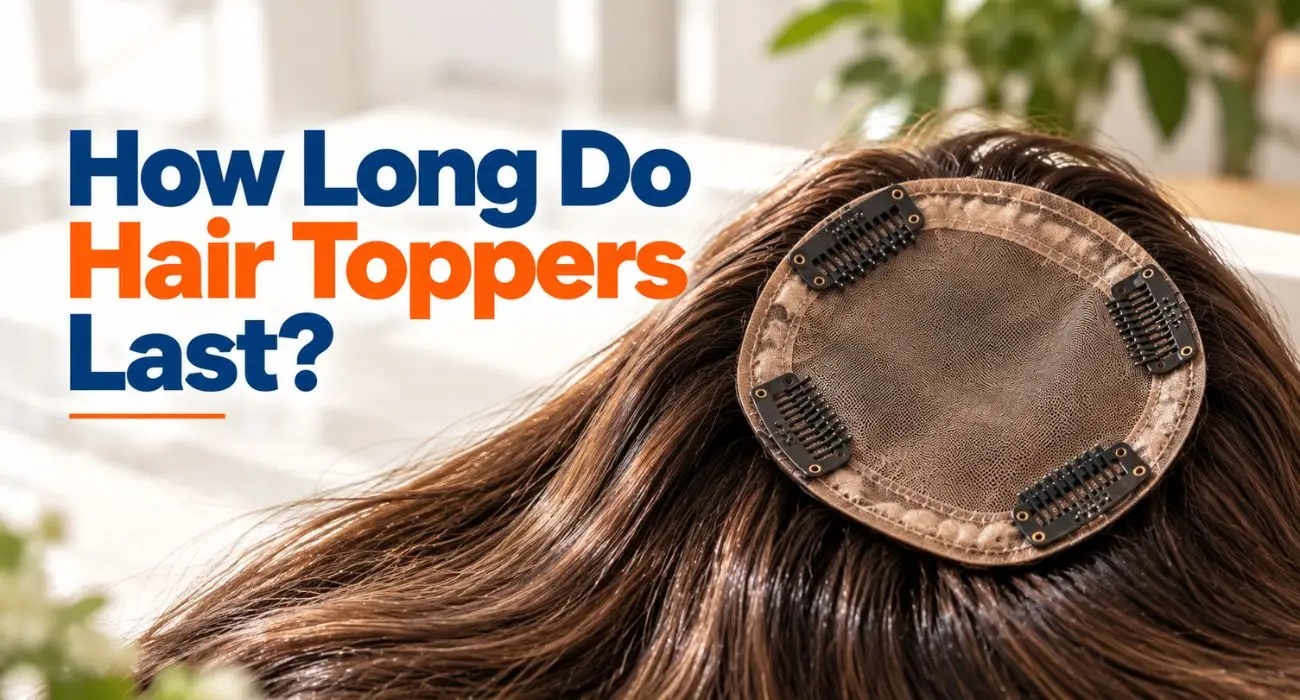

How long do hair toppers last? The answer depends on the hair material, how often you wear the topper, and how well you maintain it.
As a general estimate, a human hair topper may last around 6–12 months with regular use, while some high-quality pieces can last longer with careful handling. Synthetic hair toppers often have a shorter lifespan, especially when worn daily.
However, these are only approximate ranges. Two toppers made from similar materials can have very different lifespans depending on washing habits, heat styling, attachment methods, and everyday wear.
This guide explains what affects hair topper durability, when you should consider a replacement, and how to help your topper last longer.
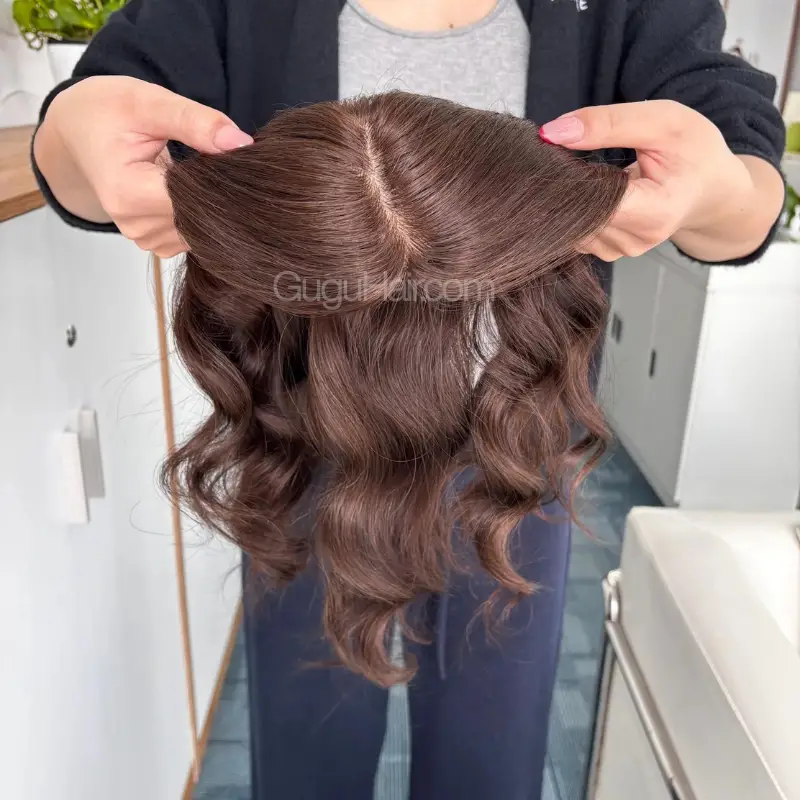
The lifespan of a hair topper varies depending on its material and usage.
| Hair Topper Type | Estimated Lifespan | Key Considerations |
|---|---|---|
| Human hair topper | 6–12 months or longer | Hair quality, washing, styling, and frequency of wear |
| Synthetic hair topper | 3–6 months | Fiber quality, friction, and daily use |
| Premium human hair topper | 12 months or longer with careful use | Hair processing, construction, and maintenance |
These ranges are general estimates, not guaranteed replacement schedules. Occasional wear may extend a topper’s lifespan, while heavy daily use can shorten it.
For buyers asking how long does a hair topper last, the most important factor is not simply its age but whether the hair and base remain in good condition.
A topper that still looks natural, feels manageable, and attaches securely may continue to be usable beyond the average estimate.
How long do human hair toppers last? With regular wear and appropriate care, many human hair toppers can remain usable for approximately 6–12 months, and some last longer.
Human hair toppers can generally be washed and styled more like natural hair than synthetic alternatives. However, the hair does not receive natural oils from the scalp, so it may gradually become dry through washing, heat styling, and environmental exposure.
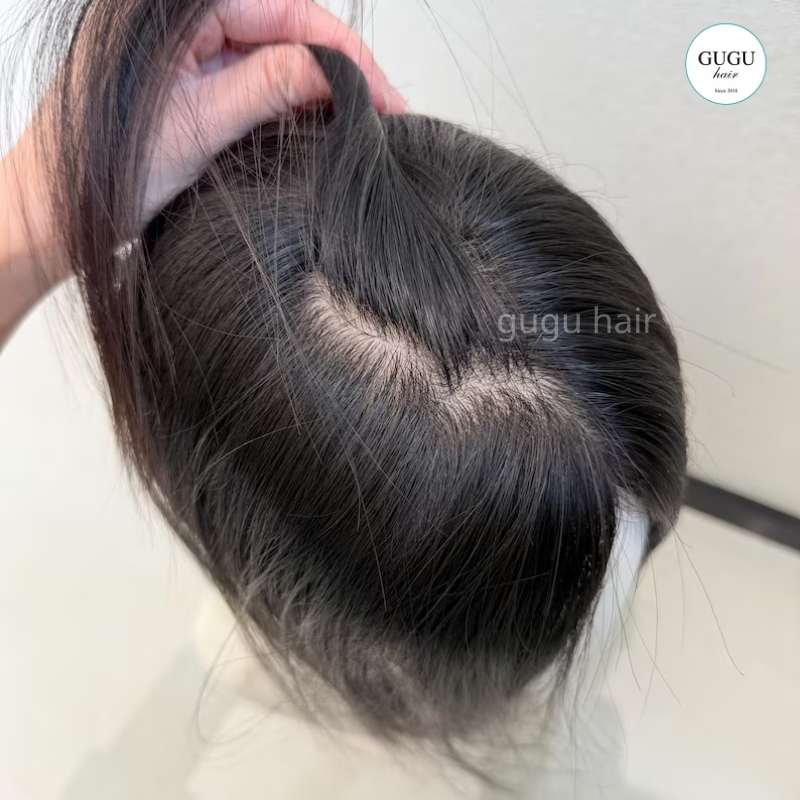
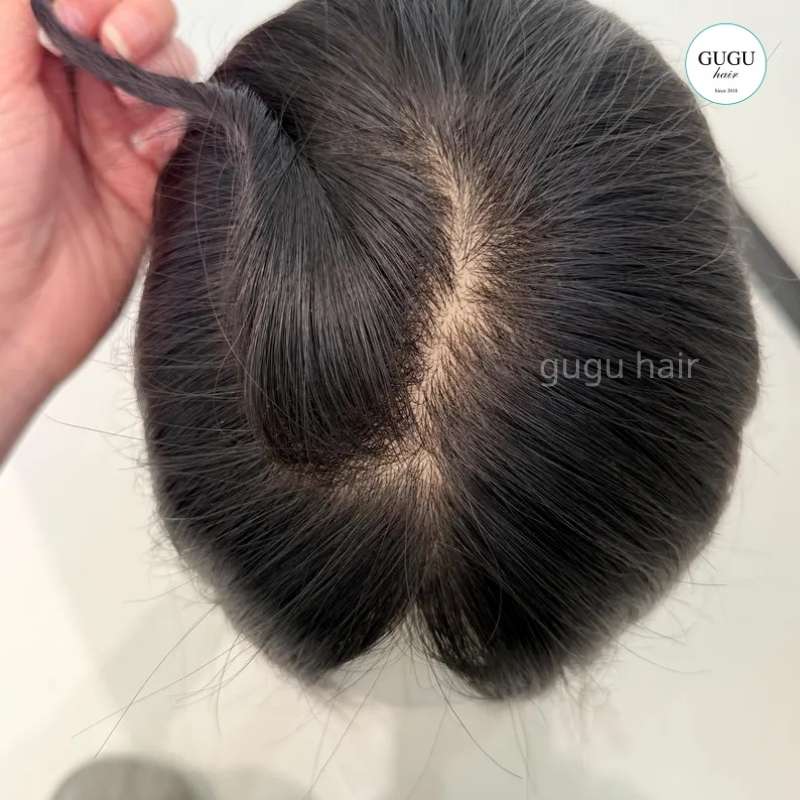
Several factors influence longevity:
If you’re wondering how long does a human hair topper last, remember that the hair strands and topper base may not wear out at the same rate.
A topper may need repair or replacement because of base damage even when the hair still looks acceptable.
Human hair and synthetic hair have different durability characteristics.
Human hair generally offers more styling flexibility, but its lifespan depends heavily on the original hair quality and processing.
Synthetic toppers require care suited to their fiber type and may develop friction-related frizz or changes in texture over time.
Neither material has a guaranteed lifespan.
A topper worn every day experiences more handling, friction, and environmental exposure than one worn occasionally.
Daily activities such as brushing, attaching clips, removing the topper, and contact with clothing can gradually affect both the hair and base.
For frequent users, checking the topper’s condition regularly is more useful than relying only on a fixed replacement date.
Washing removes dirt, sweat, and product buildup, but excessive washing can contribute to dryness and tangling.
Use a gentle washing routine based on how often you wear the topper and how much buildup it collects.
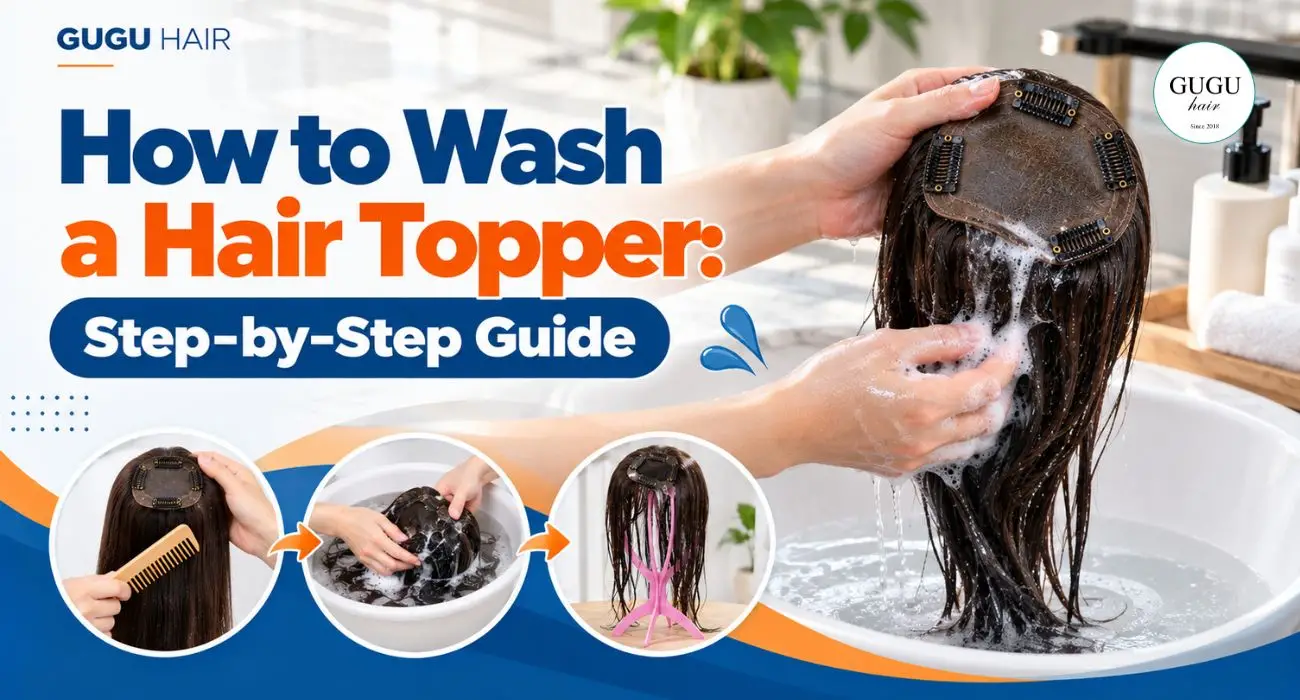
For detailed instructions, read our How to Wash a Hair Topper: Step-by-Step Guide
Frequent blow-drying, straightening, curling, or coloring can shorten the lifespan of a human hair topper.
Excessive heat may leave the hair dry, brittle, or difficult to manage.
To reduce damage:
The topper base is just as important as the hair itself.
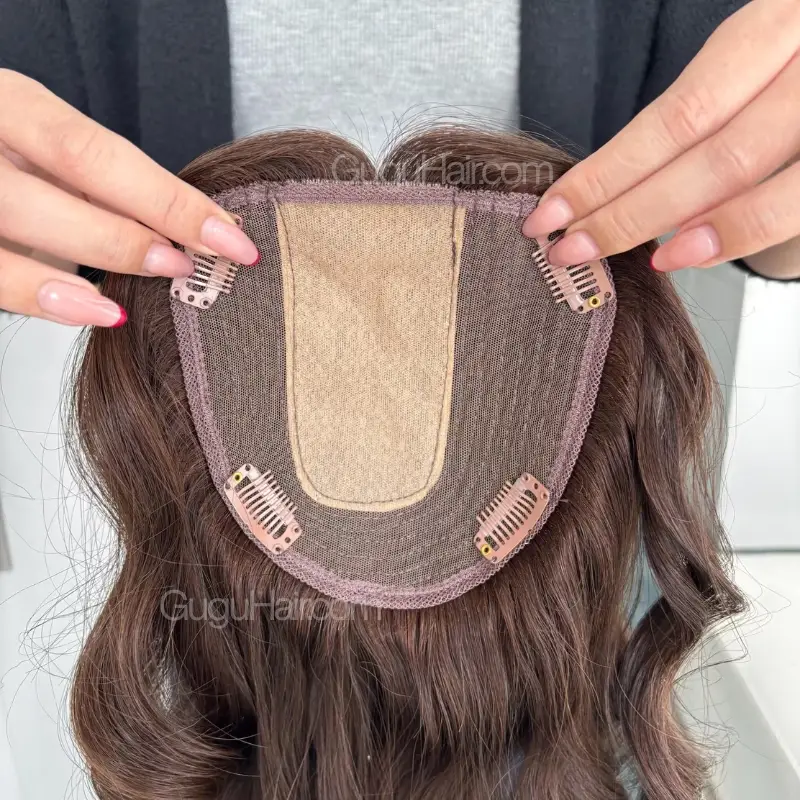
Pulling clips aggressively, brushing near attachment points, or stretching delicate lace can weaken the construction over time.
When removing the topper, release the attachments carefully rather than pulling on the hair.
Store the piece clean, dry, and supported to prevent tangling or unnecessary stress on the base.
People searching how long do hair pieces last may be referring to hair toppers, toupees, or other hair replacement systems.
Although these products can serve similar purposes, their lifespans may differ because of construction and attachment methods.
| Hairpiece Type | What Affects Its Lifespan? |
|---|---|
| Clip-in hair topper | Hair quality, clip use, washing, and base durability |
| Adhesive hair system | Base material, adhesive removal, maintenance, and wear frequency |
| Men’s toupee | Hair quality, base construction, attachment method, and maintenance |
How long do men’s toupees last? The answer depends on the type of hair system.
Some thin-skin or delicate lace systems are designed for a more natural appearance but may require replacement after only several weeks or months of continuous wear. More durable constructions can last longer.
Unlike removable clip-in toppers, certain men’s hair systems are attached with adhesive and worn continuously between maintenance appointments.
This means their replacement schedules should not be assumed to match those of standard hair toppers.
Even with proper maintenance, every topper eventually shows signs of wear.
Consider replacing or professionally repairing your topper if you notice:
1. Excessive Shedding
A noticeable loss of hair density can make the topper look thin or uneven.
2. Persistent Tangling
If the hair tangles easily despite gentle washing and conditioning, the strands may be significantly worn.
3. Dry or Damaged Ends
Severe dryness, split ends, or breakage can affect the overall appearance of the topper.
4. Visible Base Damage
Torn lace, weakened stitching, damaged clips, or an unstable base may make the topper difficult to wear securely.
5. Loss of Natural Appearance
Changes in hair texture, color, density, or overall finishing can make the topper harder to blend with your natural hair.
Minor issues may sometimes be repaired, but significant damage can make replacement the more practical option.
You cannot prevent normal wear completely, but a few simple habits can help extend your topper’s usable lifespan.
For additional guidance on positioning and securing your topper without unnecessary pulling, see our How to Wear a Hair Topper: Secure and Styling Guide.
Not necessarily.
Price can reflect hair material, processing, construction, brand positioning, and other factors, but a higher price does not automatically guarantee a longer lifespan.
When evaluating durability, pay attention to the quality of the hair, the topper base, and how the product is designed to be worn.
For more information about selecting a topper that matches your needs, explore our Best Hair Toppers for Women: How to Choose the Right One
How long do hair toppers last? Many human hair toppers can last approximately 6–12 months with regular use, while some remain wearable for longer with careful maintenance. Synthetic toppers often have a shorter usable lifespan.
However, there is no universal replacement schedule.
Hair quality, frequency of wear, washing habits, heat styling, and base construction all influence how long a topper remains in good condition.
The best approach is to follow a suitable maintenance routine and replace or repair your topper when its appearance, comfort, or attachment security begins to deteriorate.
Explore GUGU HAIR for more information about Vietnamese human hair toppers and other human hair products.
GUGU HAIR – Pure. Clean. Timeless.

TOP 1 GUGU HAIR
FACTORY VIETNAM