

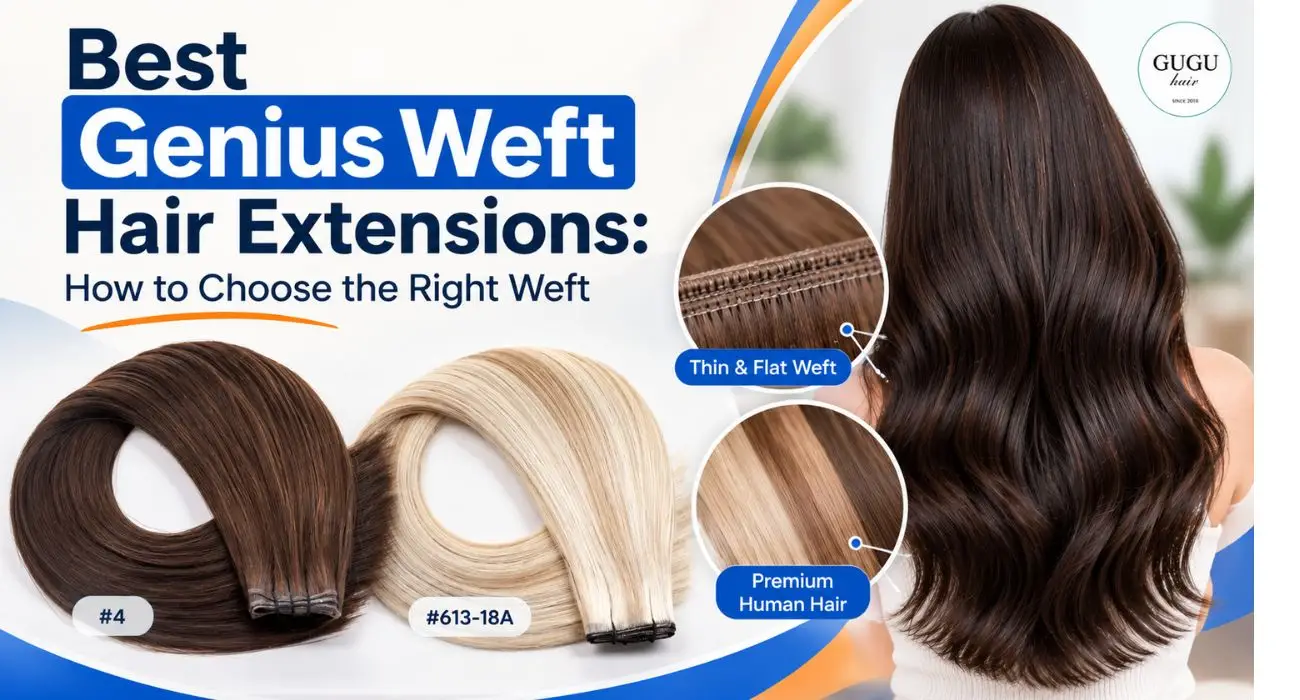

Choosing the best Genius Weft hair extensions is not simply about finding the longest or thickest weft. The right choice depends on your natural hair, desired volume, hair quality, length, color, and texture.
For clients with thin or fine hair, weight and weft thickness are especially important. For salons and hair businesses, hair quality and consistency also matter because they affect installation, styling, and long-term wear.
This guide explains how to choose Genius Weft extensions based on the factors that matter most.
A good Genius Weft should combine a thin weft construction with quality human hair.
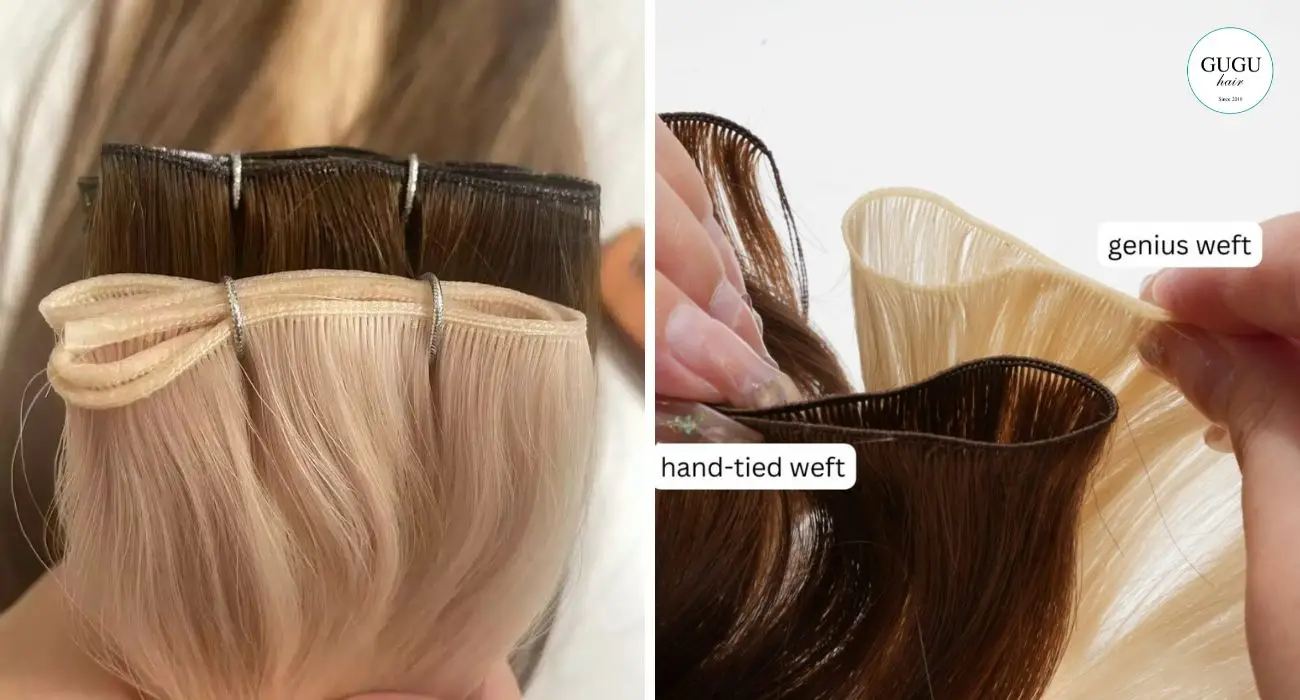
Compared with heavier traditional wefts, Genius Weft is designed with a flatter and more flexible seam. This helps the extensions sit closer to the scalp and makes them easier to blend with natural hair.
When comparing different options, look beyond the weft itself. The quality of the hair attached to it is equally important.
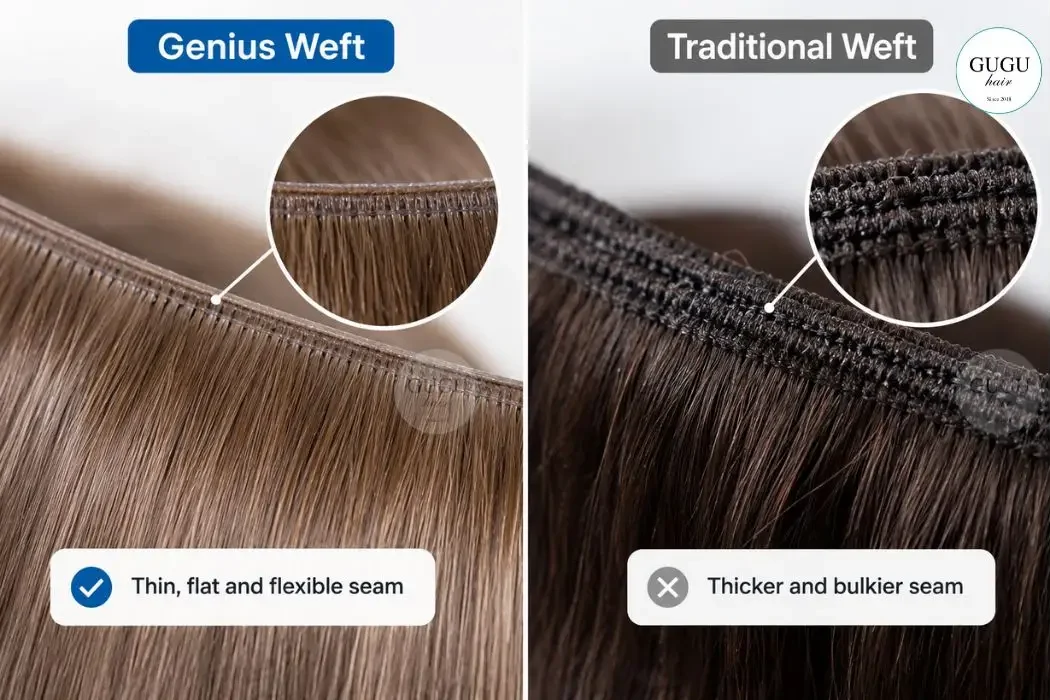
For a natural-looking result, consider:
These factors should be considered together rather than separately.
Hair quality is one of the first things to check when buying human hair Genius Weft extensions.
High-quality human hair generally provides better movement, blending, and styling versatility than lower-quality alternatives.
For professional or long-term use, look for hair with:
Raw or minimally processed human hair can be particularly suitable for buyers who prioritize durability and natural appearance. However, the best option still depends on budget, desired color, and how the extensions will be used.
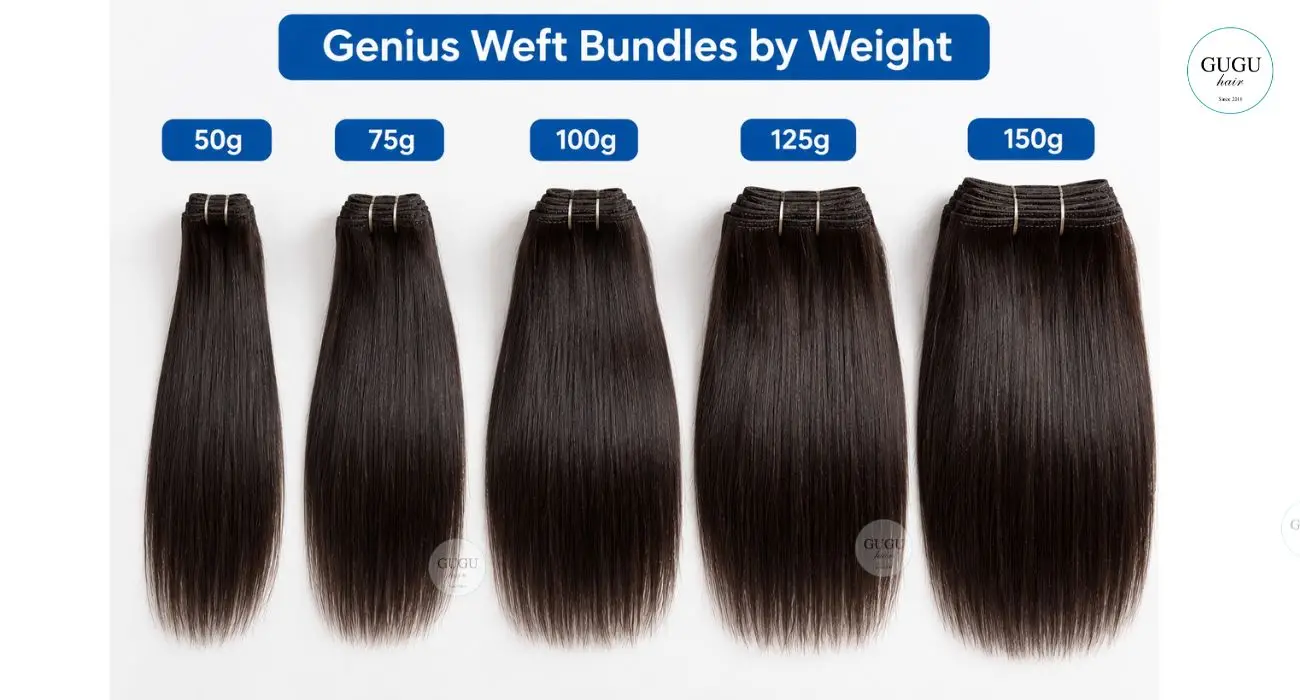
More hair does not automatically mean a better result.
The ideal weight depends on how much volume the client wants and how much weight their natural hair can comfortably support.
Someone with thick natural hair may require more hair to create a seamless blend. Someone with fine hair may need a lighter installation.
For salons, it is better to customize the amount of hair for each client instead of using the same weight for every installation.
One of the main reasons buyers choose Genius Weft is its thin construction.
A flatter weft can sit closer to the scalp, reducing unnecessary bulk around the installation area.
This can be particularly useful when clients want:
The weft should still be strong enough for professional installation. An extremely thin seam is not useful if its construction is inconsistent or weak.
Length affects both the final appearance and the amount of hair required for blending.
Shorter extensions can be suitable for adding volume, while longer lengths create a more noticeable transformation.
Before choosing the length, consider:
For very long extensions, additional weight may be needed to maintain a full appearance from roots to ends.
Color matching is essential for creating a seamless result.
For natural shades, compare the extensions with the mid-lengths and ends of the client’s hair rather than relying only on the root color.
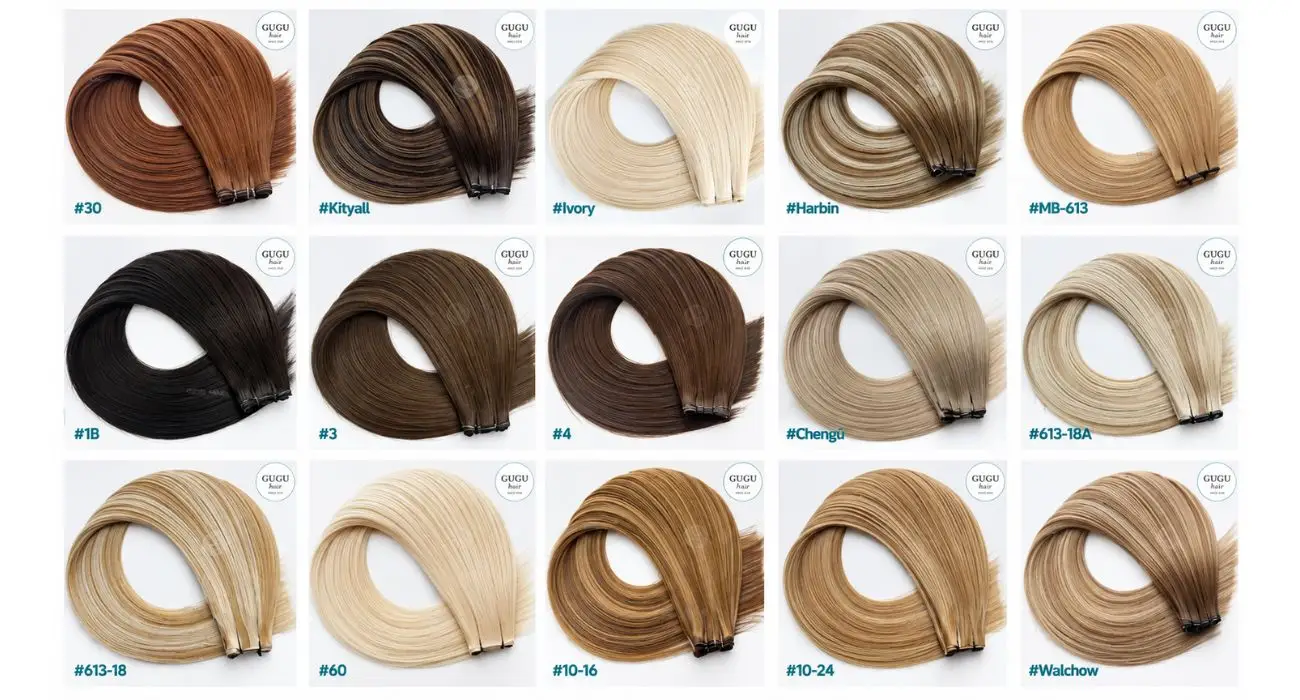
Genius Weft extensions can also be used for dimensional looks such as:
When an exact match is unavailable, hairstylists can sometimes combine two compatible shades to create a more natural blend.
For chemically processed colors, always check how the hair was colored before performing additional bleaching or coloring.
Texture should complement the client’s natural hair and preferred styling routine.
Choosing a similar texture can reduce daily styling and make the extensions easier to blend.
Genius Weft for thin hair should be selected carefully because excessive weight can place unnecessary tension on natural hair.
A thinner weft construction can help reduce bulk, but this does not mean every Genius Weft installation is automatically suitable for thin hair.
For clients with lower hair density, consider:
The goal should be to create additional volume without overwhelming the natural hair.
Fine hair refers mainly to the diameter of individual hair strands, while thin hair generally refers to lower overall hair density. A person can therefore have fine strands without necessarily having very little hair.
When choosing Best Genius Weft Hair Extensions for fine hair, focus on lightweight construction and discreet placement.
The extension color and texture should also closely match the natural hair because differences can be more noticeable when individual strands are fine.
Professional consultation is recommended when the natural hair is particularly fragile or has experienced significant breakage.
| Factor | What to Look For |
|---|---|
| Hair Quality | Human hair with consistent strands and aligned cuticles |
| Weft | Thin, flat and flexible construction |
| Weight | Appropriate for natural hair density |
| Length | Based on natural hair and desired result |
| Color | Close match or complementary color blend |
| Texture | Similar to natural hair or preferred style |
| Fine / Thin Hair | Lightweight weft and careful placement |
The best Genius Weft extensions should match both the natural hair and the desired final result.
For fine or thin hair, prioritize lightweight wefts and careful placement. For clients with thicker hair, focus on selecting enough weight and volume for seamless blending. In every case, hair quality, length, color, and texture should be considered together.
For salons, wholesalers, and hair extension businesses, GUGU Hair supplies Vietnamese human hair Genius Weft in different lengths, textures, colors, and specifications for professional and wholesale requirements.

TOP 1 GUGU HAIR
FACTORY VIETNAM