


H6 Feather Wavy Hair Extensions are made from human hair, but choosing the right extensions is about more than simply adding extra length.
If the texture feels different from your own hair or the color looks disconnected from your roots and lengths, even beautiful extensions can appear obviously “added” rather than naturally blended.
That is why choosing the right H6 Feather Wavy Hair Extensions should begin with two simple questions:
How do you normally wear your hair?
And what color will actually blend into it?
These two decisions affect almost everything about the finished result. Texture determines how naturally your own hair and the extensions move together, while color determines whether the added strands visually disappear into the hairstyle or stand apart from it.
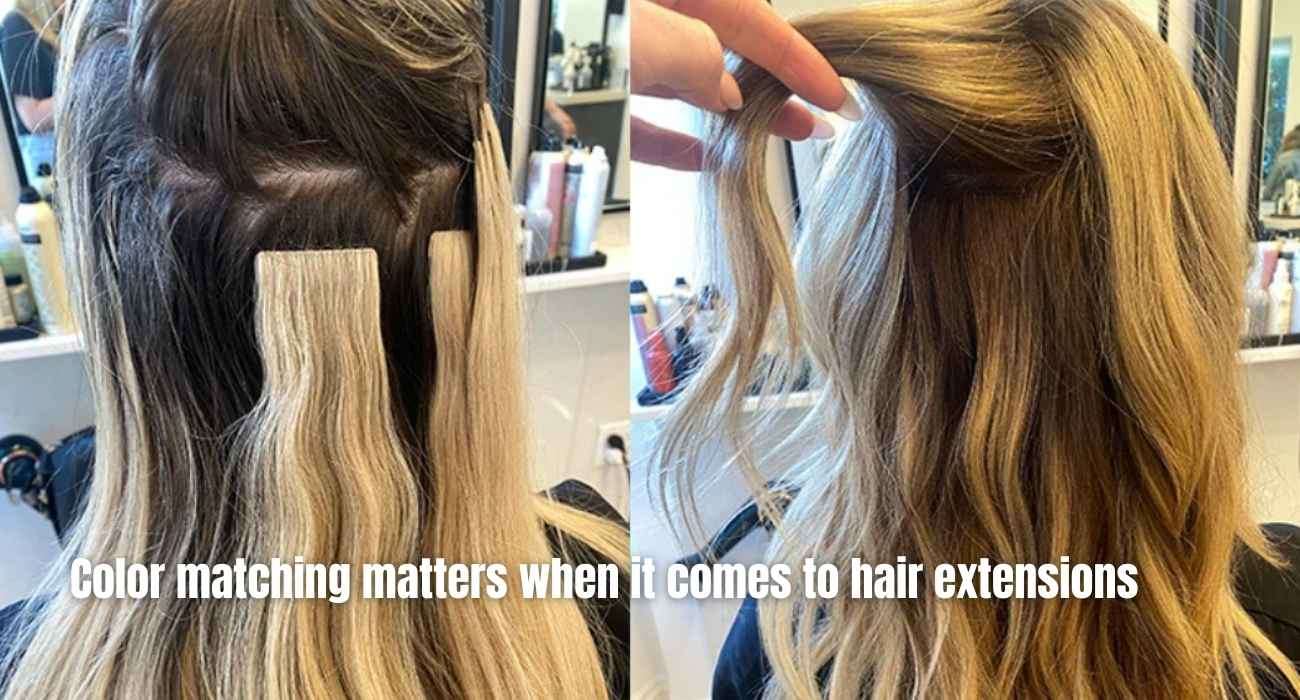
Here is what to look for before choosing your H6 wavy extensions.
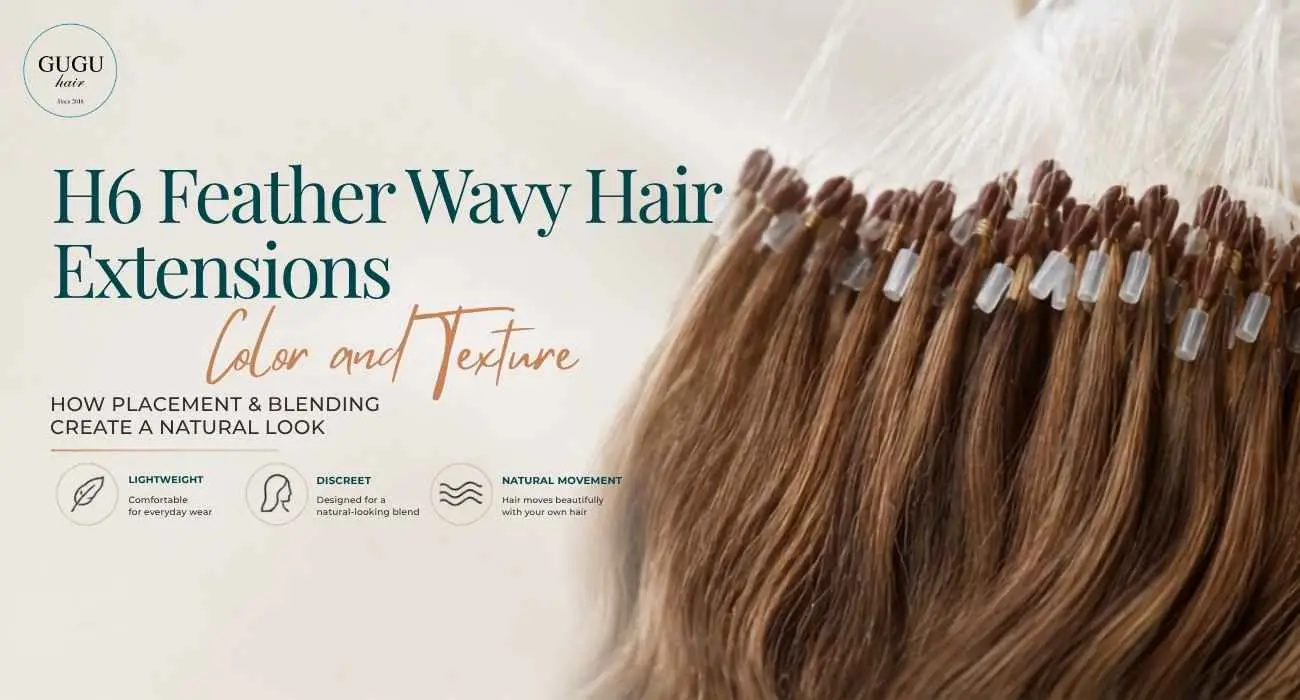
Not every customer wants the same kind of wave, and not every wavy texture creates the same finished hairstyle.
Some people want soft movement that still feels close to naturally wavy hair. Others prefer a fuller, more defined texture that creates a stronger styled look and more visible volume through the lengths.
Before choosing, think about your everyday style rather than focusing only on the extension itself.
If you normally wear your hair loose, relaxed, and softly styled, a gentler wave may blend more easily into your routine. It can create movement without making the extensions feel dramatically different from the way you usually wear your natural hair.
If you want more visible texture and fullness, a more defined wave may better suit the result you are trying to create. This can be particularly useful when the goal is not only extra length but also a more dimensional overall silhouette.
The important point is this:
Choose the texture for the hairstyle you actually wear — not only for how the extension looks in the package.
A texture that looks impressive on its own may still require more daily styling if it behaves very differently from your natural hair. Thinking about your usual routine before buying can make the final result easier to maintain.
A seamless result happens when your own hair and the extensions look like part of the same hairstyle rather than two separate layers.
If your natural hair is already slightly wavy, a compatible H6 wavy texture can help create a smoother transition through the lengths. The closer the movement of the two textures feels after styling, the less obvious the point where natural hair ends and extension hair begins.
If your hair is naturally straight, you can still wear wavy extensions, but your natural hair may need to be styled together with the extensions so both textures move consistently.
This does not mean your own hair and the extensions need to have exactly the same pattern before styling. What matters is whether they can be brought into one cohesive finished look.
When comparing textures, look at:
The goal is not necessarily to find an exact copy of your natural texture.
The goal is to make sure your hair and the extensions can finish together.
“Brown,” “blonde,” or “black” can describe many different shades. Two products may both be called brown while looking noticeably different when placed next to each other.
For a more natural blend, look beyond the basic color name and compare the extension with the hair it will actually sit next to.
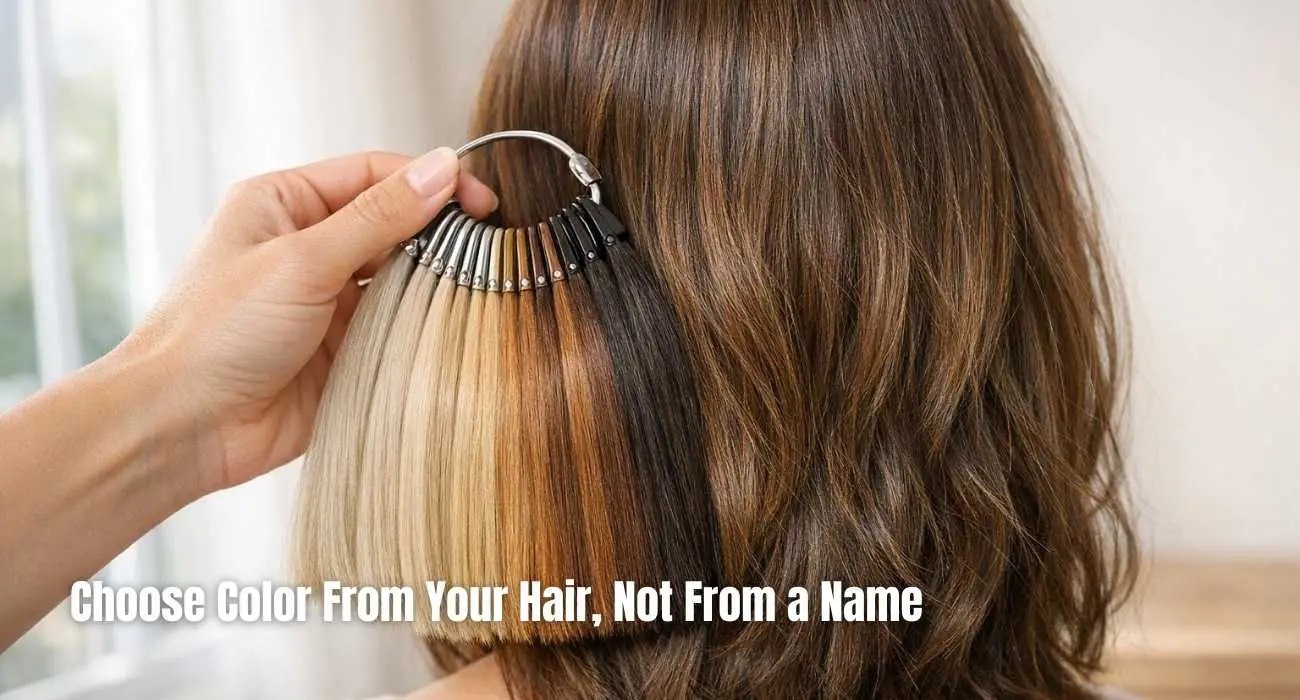
Start with the dominant color closest to where the H6 extensions will be placed.
If the root or mid-length area is much cooler, warmer, lighter, or darker than the extension, the difference may become easier to notice once the strands are installed.
This is especially important when the extensions are intended to blend quietly into the natural hair rather than create an intentional highlight effect.
Brown hair can be warm, neutral, or cool. Blonde hair may lean golden, beige, ash, or brighter.
Matching the undertone often makes a bigger difference than simply choosing the closest basic shade name. A brown extension with warm golden undertones can still look disconnected from cool ash-brown natural hair even when both are technically classified as “brown.”
Natural hair is rarely one completely flat color.
Highlights, lowlights, mixed tones, and color transitions can create a softer blend, especially in wavy hair where movement naturally reveals different sections of color.
That is why dimensional shades can work particularly well with wavy extensions. Instead of requiring every strand to match one exact tone, several related shades can visually connect the extensions with different parts of the natural hair.
When possible, do not judge a shade from only one close-up image. Look at how the color appears across the full length of the extension and how the lighter and darker sections are distributed.
The most convincing match is often the one that works with the overall color pattern of your hair, not simply the single strand that looks closest.
One reason wavy H6 extensions are visually attractive is that the texture changes how light interacts with the hair.
The curves of the wave naturally reveal different parts of the color as the hair moves. Lighter sections may become more visible on the outer curves, while darker areas can create additional depth underneath.
This can make:
If you are choosing between a solid shade and a highlighted or mixed-color option, think about the role you want the extensions to play in the finished hairstyle.
A solid shade may be more suitable when the priority is quiet blending, while dimensional shades can become part of the styling itself by adding visible depth and contrast.
The same wave pattern can look noticeably different at different lengths.
On longer hair, the wave often appears more elongated and flowing because there is more length for the pattern to develop. This can create a softer, more relaxed visual effect.
On shorter lengths, the texture may look fuller and more concentrated because the curves sit closer together within a smaller area.
So when choosing H6 wavy hair extensions, do not evaluate texture separately from length. Think about how both characteristics will work together once the extensions are installed.
Ask yourself:
“Do I want more volume, more length, or both?”
If length is the main goal, you may prefer a wave that keeps the hairstyle flowing rather than overly compact. If volume is the priority, a more noticeable texture may help create greater visual fullness.
That answer should influence both the extension length and the wave you choose.
Another useful question is how much effort you want to put into styling the hair after installation.
If your natural hair and the H6 extensions already have compatible movement, creating a cohesive finished look may require less adjustment. If the textures are very different, you may need to style both your natural hair and the extensions more regularly so they continue to blend.
This is not necessarily a reason to avoid a different texture. It simply means the choice should reflect your real styling habits.
The easiest extension to live with is often not the most dramatic one. It is the one that fits naturally into the way you already wash, style, and wear your hair.
Once you have chosen the texture and color, a few additional details can improve the finished result.
Try to:
A good match should not make you constantly think about where your own hair ends and the extension begins.
Instead, the added hair should feel visually connected to the hairstyle as a whole. Texture, color, placement, and styling all contribute to that finished effect.
That is the result you are aiming for.
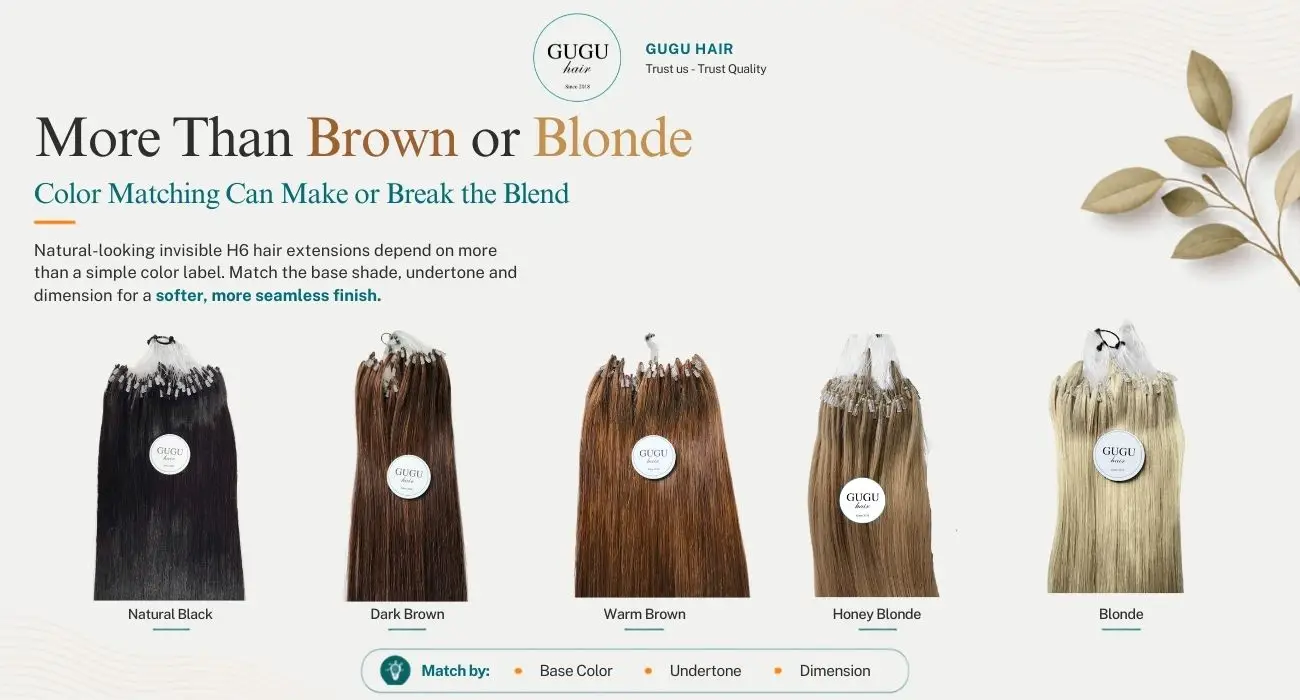
The right H6 wavy extension is not simply the longest length, the fullest wave, or the most dramatic color.
It is the option that fits your natural hair, your styling habits, and the look you want to create.
Start by thinking about the texture you normally wear. Then compare your base color, undertone, and any highlights or dimensional tones already present in your hair. Finally, consider how the chosen wave will look at the length and volume you want.
GUGU Hair offers H6 Feather Extensions in different colors and textures, allowing you to compare options before choosing the combination that works for your desired result.
Explore GUGU Hair H6 Feather Extensions and find the texture and color that feels most like you.
Follow us on Instagram at @vietnamhair_guguhair.cabello

Can I Wear Wavy H6 Extensions If My Natural Hair Is Straight?
Yes. However, the final blend usually looks more cohesive when your natural hair and the extensions are styled into compatible textures. If your hair remains completely straight while the extensions are strongly wavy, the transition between the two may become more noticeable.
Should My H6 Extensions Match My Hair Color Exactly?
Not always. Natural hair can contain several tones, so matching the base color and undertone is often more important than finding one perfectly identical shade. Highlights, lowlights, and mixed-color extensions may also help create a more dimensional blend.
Do Wavy Extensions Look Shorter Than Straight Extensions?
They can. A wavy texture may make the hair appear slightly shorter because the length follows the curves of the wave rather than falling completely straight. This is worth considering when choosing your preferred extension length.
Are Highlighted H6 Extensions Harder to Blend?
Not necessarily. Dimensional shades can sometimes create a softer transition when the highlight placement works with your natural hair color. The key is to compare the base shade, undertone, and distribution of lighter sections rather than focusing only on the highlight color.
How Do I Choose Between a Softer Wave and a More Defined Wave?
Think about the hairstyle you wear most often. A softer wave may suit customers who prefer relaxed movement and subtle texture, while a more defined pattern can create stronger volume and a more visibly styled finish.


TOP 1 GUGU HAIR
FACTORY VIETNAM