


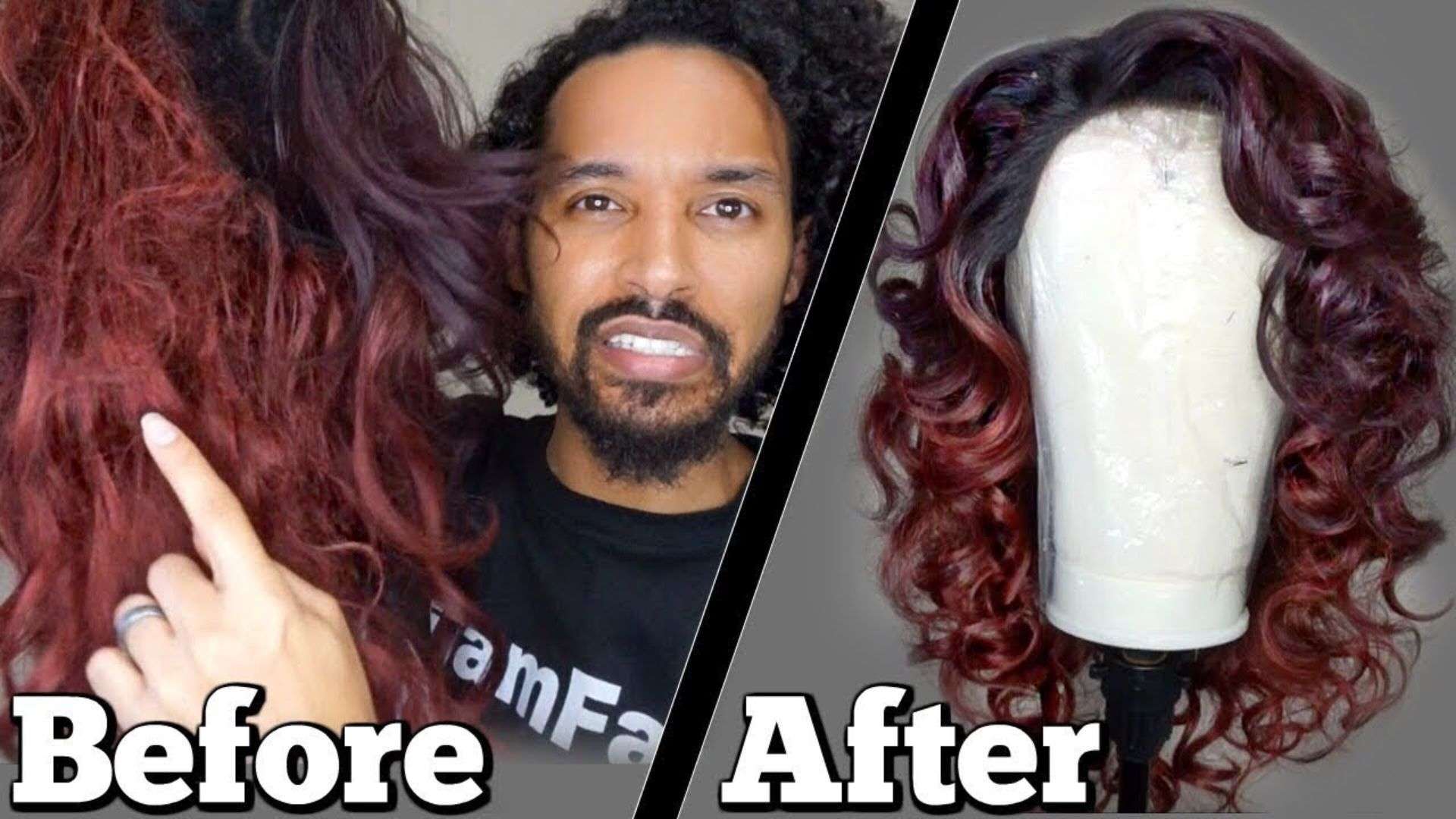
Learn how to restore a chemically damaged hair wig at home with expert techniques for hydration, deep conditioning, and reviving shine. Discover pro-level tips on Restoring Chemically Damaged Wig and why high-quality Vietnamese wigs from GUGU HAIR withstand chemical processes better.
Chemical treatments like bleaching, dyeing, perming, and excessive heat styling can destroy even high-quality human hair wigs. The result?
The good news is: you CAN restore a chemically damaged hair wig at home — if the wig is made from 100% human hair with intact cuticles. This process is essential for Restoring Chemically Damaged Wig.
This guide breaks down practical, step-by-step methods to revive your wig, reset its moisture balance, and bring back smoothness and shine. And if you want a wig that can handle coloring and heat without severe damage, raw Vietnamese human hair wigs from GUGU HAIR are globally trusted for their strength and longevity, making them ideal for Restoring Chemically Damaged Wig.
Before learning how to repair your wig, it’s important to understand what causes damage.
Common Causes of Wig Damage
Chemically processed hair lacks natural oils because wigs do not produce sebum like your scalp.
This means the hair dries out faster and needs extra care.
Check if your wig shows any of these symptoms:
If you notice 2–3 of these signs, your wig needs a restoration treatment immediately.
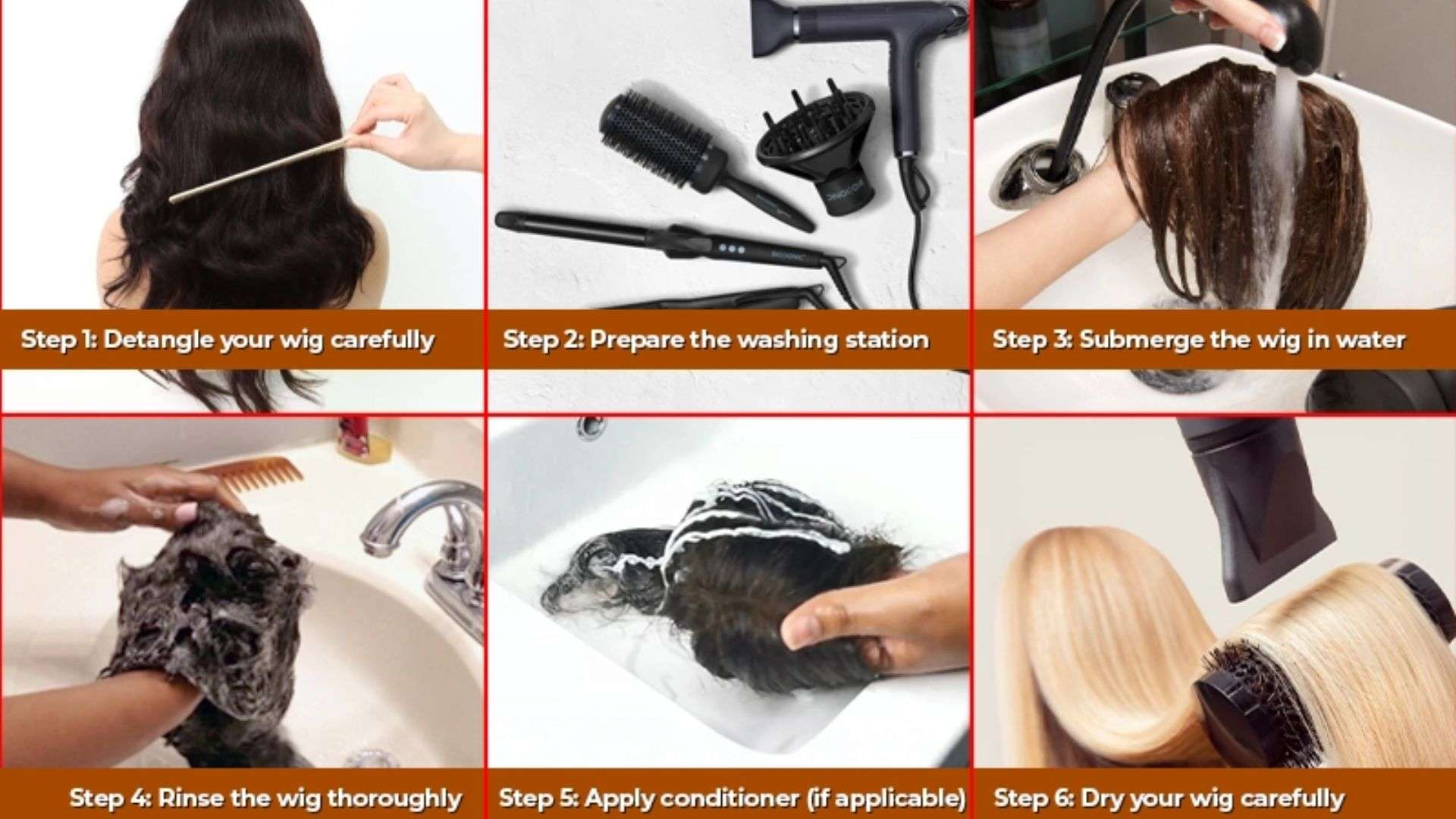
Below is a complete treatment plan you can follow for the best results.
Step 1: Start With a Gentle Detangling Process
Never begin with water. Wetting tangled, damaged hair makes it worse.
How to Detangle Properly
You can apply a small amount of leave-in conditioner or detangling spray to soften the texture.
Step 2: Cleanse With a Sulfate-Free Shampoo
Chemically damaged hair needs gentle cleansing.
Recommended Ingredients
Look for shampoos containing:
How to Wash Properly
Avoid hot water — it opens the cuticles and increases dryness.
Step 3: Apply a Deep Moisturizing Mask (The Most Important Step)
Deep conditioning is what truly restores chemically damaged wigs.
DIY Deep Conditioning Mask Recipe
Mix the following ingredients:
Warm the mixture for 10–15 seconds in the microwave.
How to Apply
This step smooths cuticles, restores shine, and softens the wig instantly.
Step 4: Use a Protein Treatment (Once Every 3–4 Weeks)
Protein treatments help rebuild broken keratin bonds damaged by bleaching or dyeing.
Best for:
Warning:
Do NOT overuse protein — too much makes hair stiff.
Professional tips recommend using a protein mask once a month to keep the wig strong but not brittle.
Step 5: Rinse With Cool Water to Seal the Cuticles
Cold water helps:
Rinsing properly prevents dryness from returning quickly.
Step 6: Apply a Leave-In Conditioner for Protection
This is your wig’s daily defense shield.
Choose lightweight formulas with:
Apply a small amount to the ends before drying.
Step 7: Air Dry Only — No Heat
Chemically damaged wigs cannot handle blow dryers or curling irons.
This prevents further damage and reduces frizz.
Step 8: Apply Natural Oils to Restore Shine
Once dry, use 1–2 drops of:
Avoid heavy oils like castor oil — they make wigs greasy.
Step 9: Trim Split Ends
Just like natural hair, removing split ends:
A small trim can make the wig look brand-new.
Step 10: Restyle With Low-Heat Techniques
Once restored, style gently.
Always use a heat protectant.
1. Argan Oil Overnight Soak
Revives extremely dry bone straight wigs.
2. DIY Silk-Smooth Mask
Mix: conditioner + honey + argan oil.
3. Apple Cider Vinegar Rinse
Helps remove mineral buildup and restore shine.
4. Aloe Vera Gel
Adds moisture and supports curl definition for curly wigs.
✔ Wash every 2–3 weeks only
✔ Store on a wig stand
✔ Use satin or silk storage bags
✔ Avoid gels, foams, and alcohol hair sprays
✔ Use leave-in conditioner regularly
✔ Avoid chlorine and saltwater exposure
With proper maintenance, your restored wig can last 1–3 years depending on hair quality.
Some wigs are beyond repair, especially if:
High-quality human hair wigs recover better — especially raw Vietnamese human hair with strong, thick strands.
If you want a wig that withstands coloring, bleaching, and heat styling without severe damage, hair origin matters.
Here’s why customers trust GUGU HAIR wigs:
Many customers come to GUGU HAIR after their previous wigs from other suppliers become damaged too fast.
Restoring a chemically damaged hair wig at home is not only possible — it’s easy when you follow the right steps.
With deep conditioning, proper detangling, protein repair, and gentle styling, your wig can look smooth, shiny, and soft again.
But remember:
The best way to avoid severe damage is to start with high-quality hair.
That’s why thousands of customers around the world choose GUGU HAIR for their raw Vietnamese wigs — durable, natural, and easy to revive even after chemical processing.


TOP 1 GUGU HAIR
FACTORY VIETNAM