

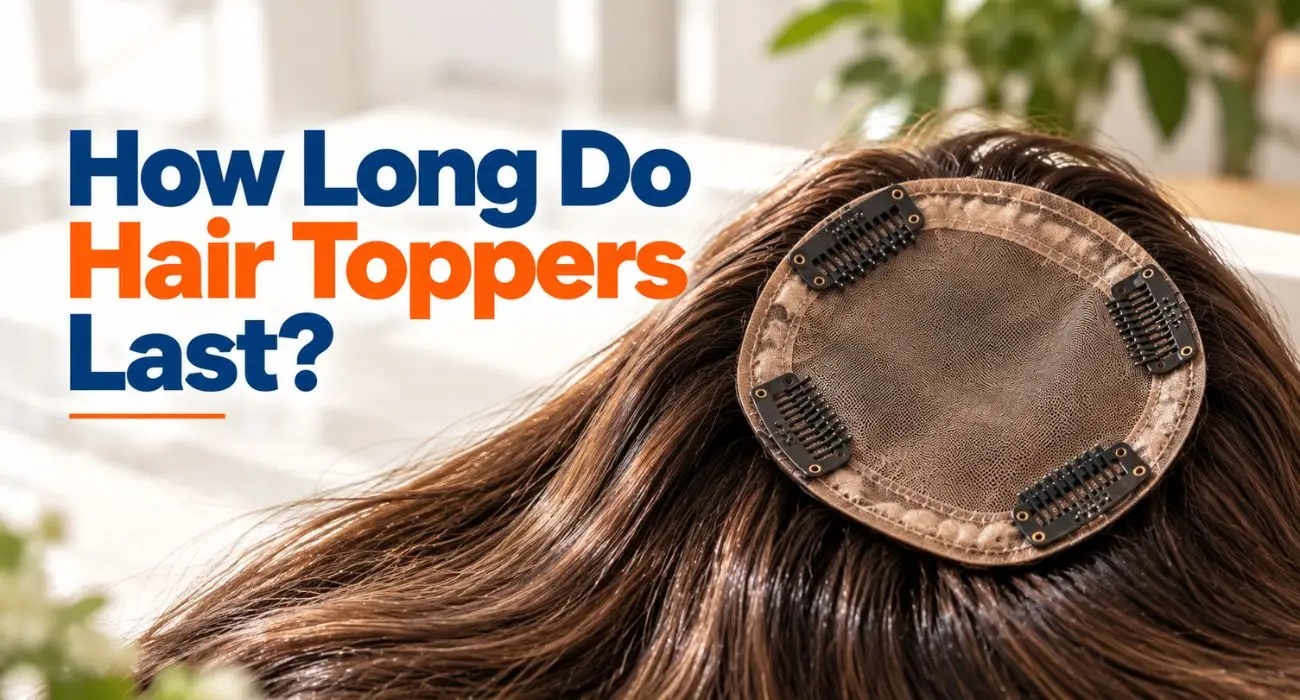

What should I do if my wig feels itchy? First, remove your wig and check your scalp for irritation. Common causes include tight wig caps, rough lace, dry skin, sweat, and product buildup. Cleaning your scalp, adjusting the wig fit, and choosing comfortable materials can often help reduce itching.
Wearing a wig should feel comfortable, whether you use it daily or occasionally. However, an itchy scalp can make even a beautiful wig frustrating to wear.
This guide explains why wigs cause itching, how to relieve discomfort, and what you can do to prevent irritation in the future.

Wearing a wig should make you feel confident, beautiful, and comfortable—not distracted by constant itching. Yet many wig wearers, especially beginners, ask the same question:
“What should I do if my wig feels itchy?”
An itchy wig is a common issue, but the good news is that it’s almost always fixable. Whether the cause is lace irritation, dryness, improper fit, or product buildup, understanding the root of the problem is the first step toward relief.
In this guide, we’ll cover:

An itchy scalp under a wig can result from several factors, including friction, poor ventilation, and sensitivity to certain materials.
1. Lace Irritation
Rough lace edges can rub against the forehead, temples, or ears, causing itching and redness. This is especially common when the lace is stiff or the wig does not fit properly.
2. Dry Scalp
A dry scalp may feel tight, flaky, or itchy. Wearing a wig can make existing dryness more noticeable, particularly when scalp care is neglected.
3. Sweat and Product Buildup
Sweat, oils, adhesive residue, and styling products can accumulate beneath the wig. Without regular cleansing, this buildup may contribute to irritation.
4. Tight Wig Caps
A wig that is too tight can create pressure and friction around the hairline, ears, and scalp. An uncomfortable fit may also cause headaches.
5. Sensitivity to Wig Materials
Some wearers experience irritation from adhesives, synthetic fibers, lace, or wig cap materials. Individual skin sensitivity plays an important role in overall comfort.

If you’re wondering how to stop wig itching, start by identifying and addressing the source of discomfort.
Take off your wig if itching becomes uncomfortable. Examine your scalp for redness, flaking, irritation, or adhesive residue.
Gently cleanse the affected area and allow your scalp to rest before wearing the wig again.
Use a gentle cleanser to remove sweat, oil, and product buildup.
If your scalp feels dry, apply a lightweight, fragrance-free moisturizer suitable for scalp use. Avoid excessive oils or heavy products that may create additional buildup.
A properly fitted wig should feel secure without pulling or pressing against your scalp.
Loosen adjustable straps if necessary, and check whether the wig cap is the correct size.
For beginners, learning how to put on a wig correctly can help reduce unnecessary friction and improve comfort.
A comfortable wig cap can help reduce direct friction between the wig and your scalp.
Consider soft, breathable materials and avoid caps that feel excessively tight. If a cap itself causes irritation, try a different material or wearing method.
Sweat, natural oils, and styling products can build up inside your wig.
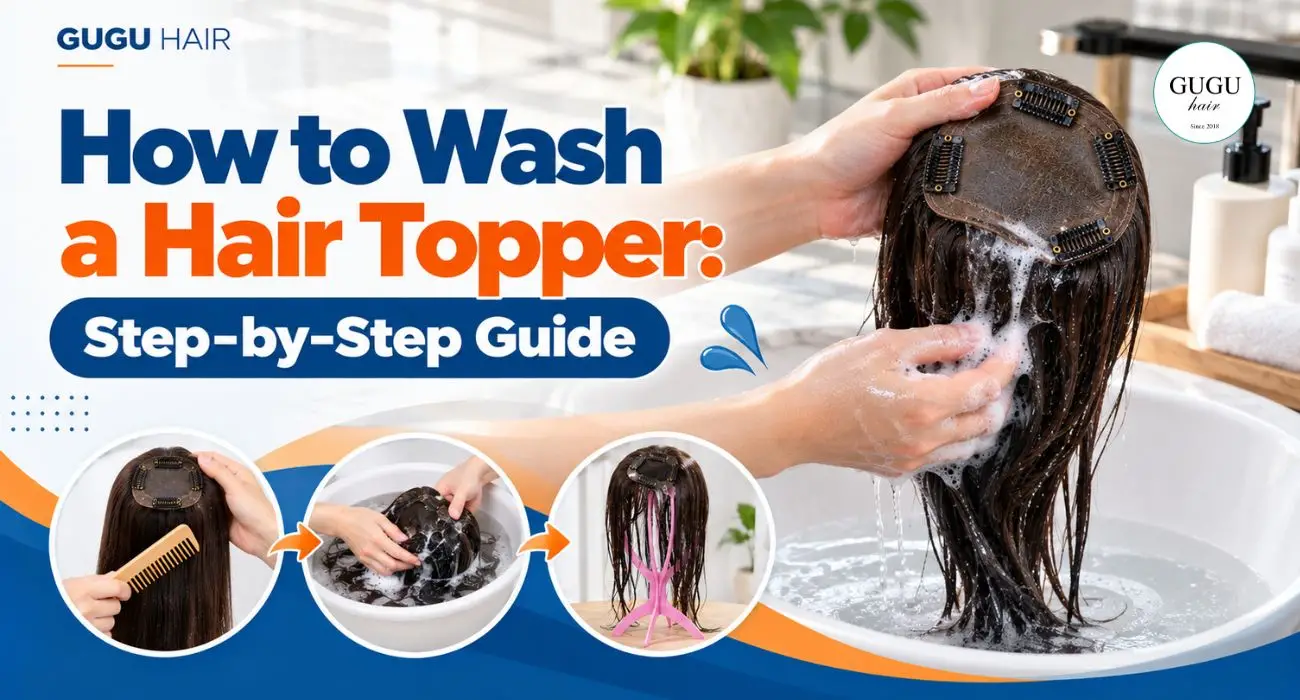
For human hair wigs, use a gentle shampoo, lukewarm water, and careful washing techniques. Rinse thoroughly and allow the wig to dry completely before wearing it again.
Wig glue and tape may irritate sensitive skin.
Use products according to their instructions, avoid applying adhesive to irritated skin, and remove residue gently with a suitable adhesive remover.
If adhesives repeatedly cause itching, consider a glueless wig or another attachment method.

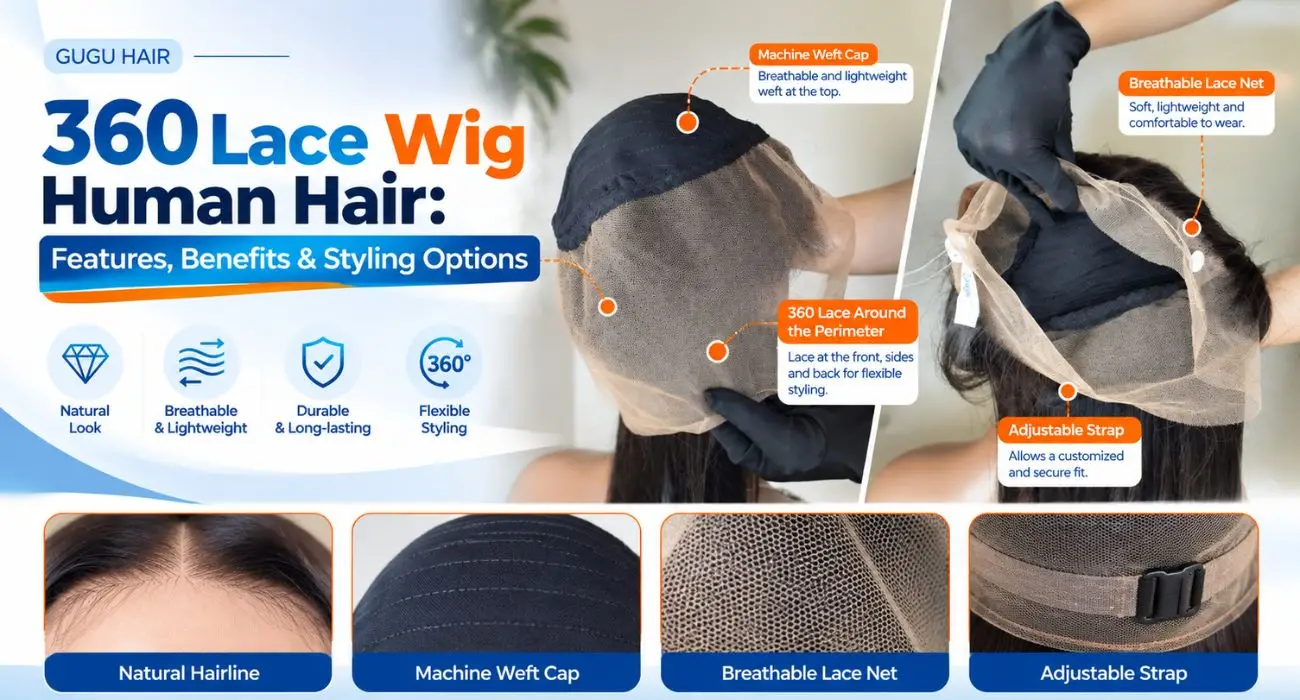
Choose High-Quality Lace
Premium wigs use:
These materials are thinner, softer, and far less irritating.
Dirty wigs trap sweat and bacteria.
Recommended schedule:
Use sulfate-free shampoo and lukewarm water.
Even if your wig looks clean, your scalp may not be.
Use:
Too much glue = clogged pores.
Tips:
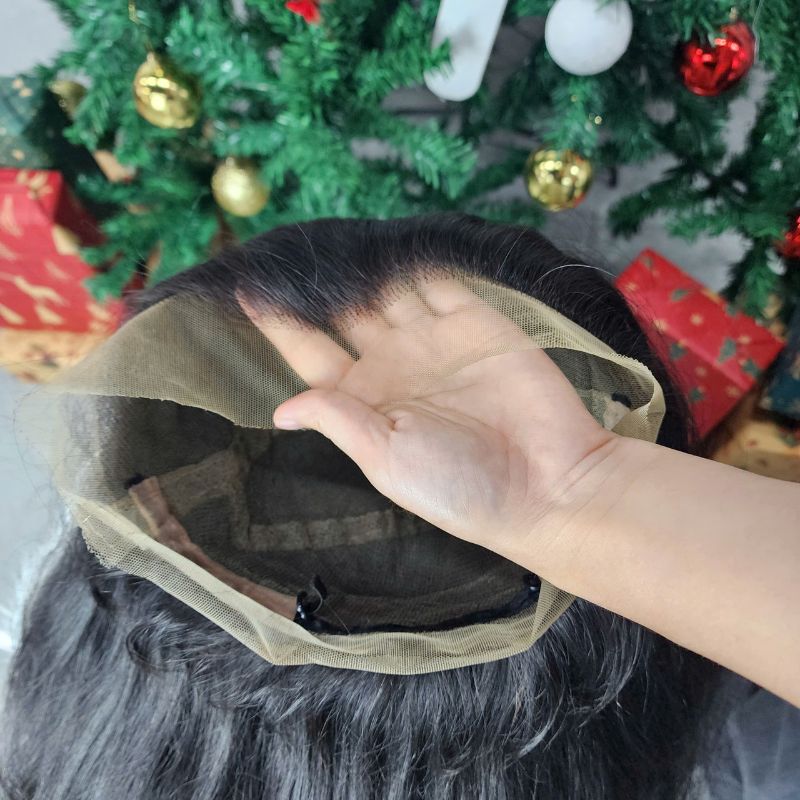

Lace Front Wigs
Full Lace Wigs
Both can be comfortable if made with high-quality lace and hair.
Synthetic wigs often:
100% human hair wigs, especially those made from raw Vietnamese hair, allow better airflow and feel lighter on the scalp.
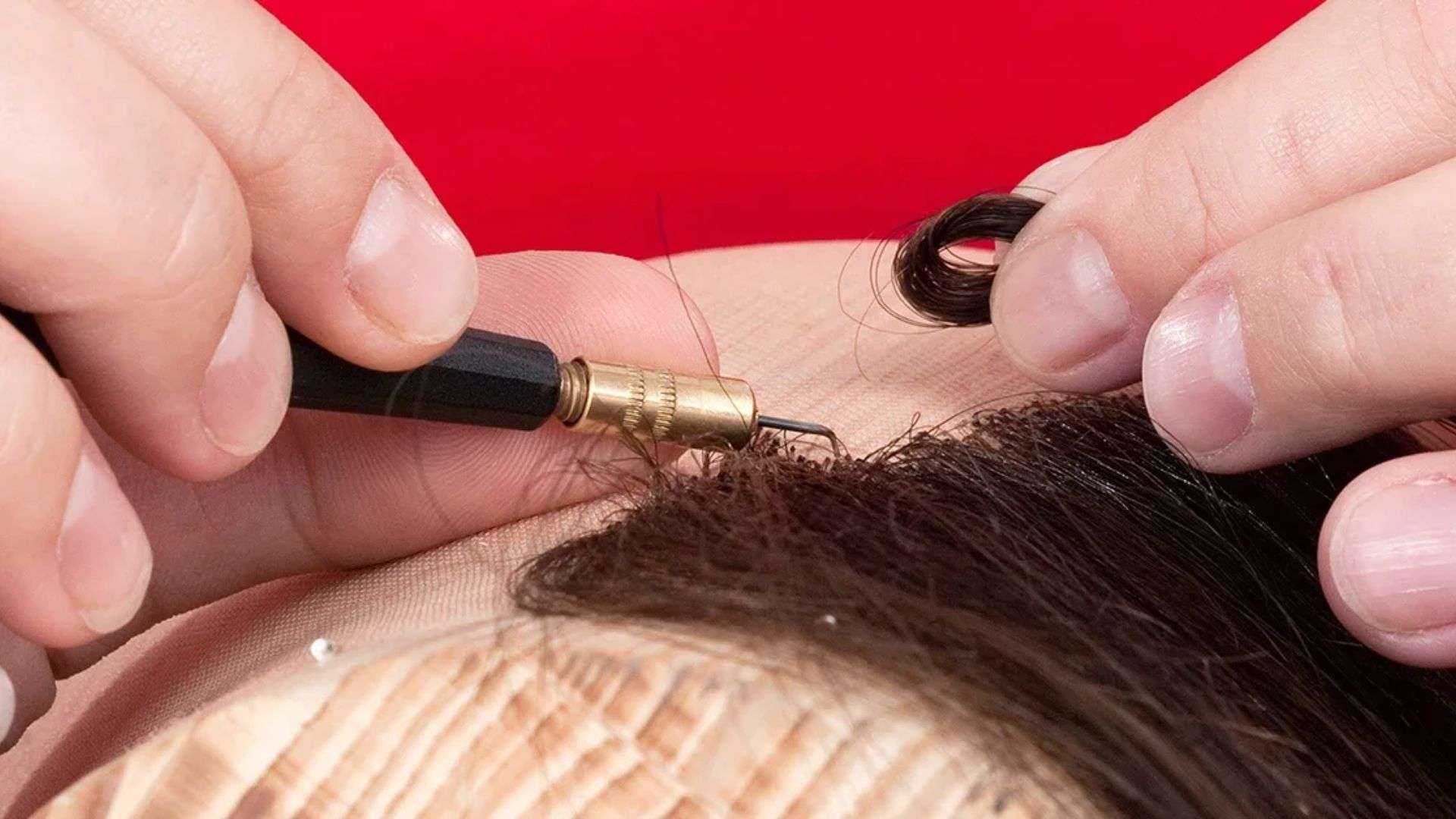
Low-quality wigs may cause:
High-quality wigs, like those from GUGU HAIR, are:
If you have sensitive skin:
Comfort should never be sacrificed for style.
Remove your wig immediately if you notice:
Consult a dermatologist if symptoms continue.
At GUGU HAIR, comfort is just as important as beauty.
Our wigs feature:
These features help reduce friction, sweating, and irritation—especially for long wear.
Is It Normal for a New Wig to Feel Itchy?
Mild discomfort may occur when adjusting to a new wig, but persistent itching should not be ignored. Check the fit, lace material, and scalp condition.
How Do I Stop My Lace Front Wig From Itching?
Check for rough lace edges, adhesive sensitivity, and excessive tightness. Gently clean your scalp, adjust the wig, and avoid products that trigger irritation.
Can a Wig Cap Cause an Itchy Scalp?
Yes. A tight, rough, or poorly ventilated wig cap may contribute to friction, sweating, and discomfort.
Can I Wear a Wig With a Sensitive Scalp?
Yes, depending on the cause and severity of your sensitivity. Choose comfortable materials, avoid known irritants, and ensure the wig fits properly.
Should I Remove My Wig Every Day?
For removable, glueless wigs, daily removal can make scalp cleaning and inspection easier. Adhesive installations require appropriate maintenance and removal according to the product instructions.
If you’re asking, “What should I do if my wig feels itchy?”, the most important step is to identify the cause rather than ignore the discomfort.
Proper wig fitting, regular scalp cleansing, gentle materials, and suitable maintenance can help reduce itching and improve everyday comfort.
At GUGU HAIR, we offer premium Vietnamese human hair wigs with different styles and cap constructions for individual customers, salons, and wholesale buyers.
Explore our human hair wig collection or contact GUGU HAIR to find a wig that suits your styling needs and comfort preferences.

TOP 1 GUGU HAIR
FACTORY VIETNAM