


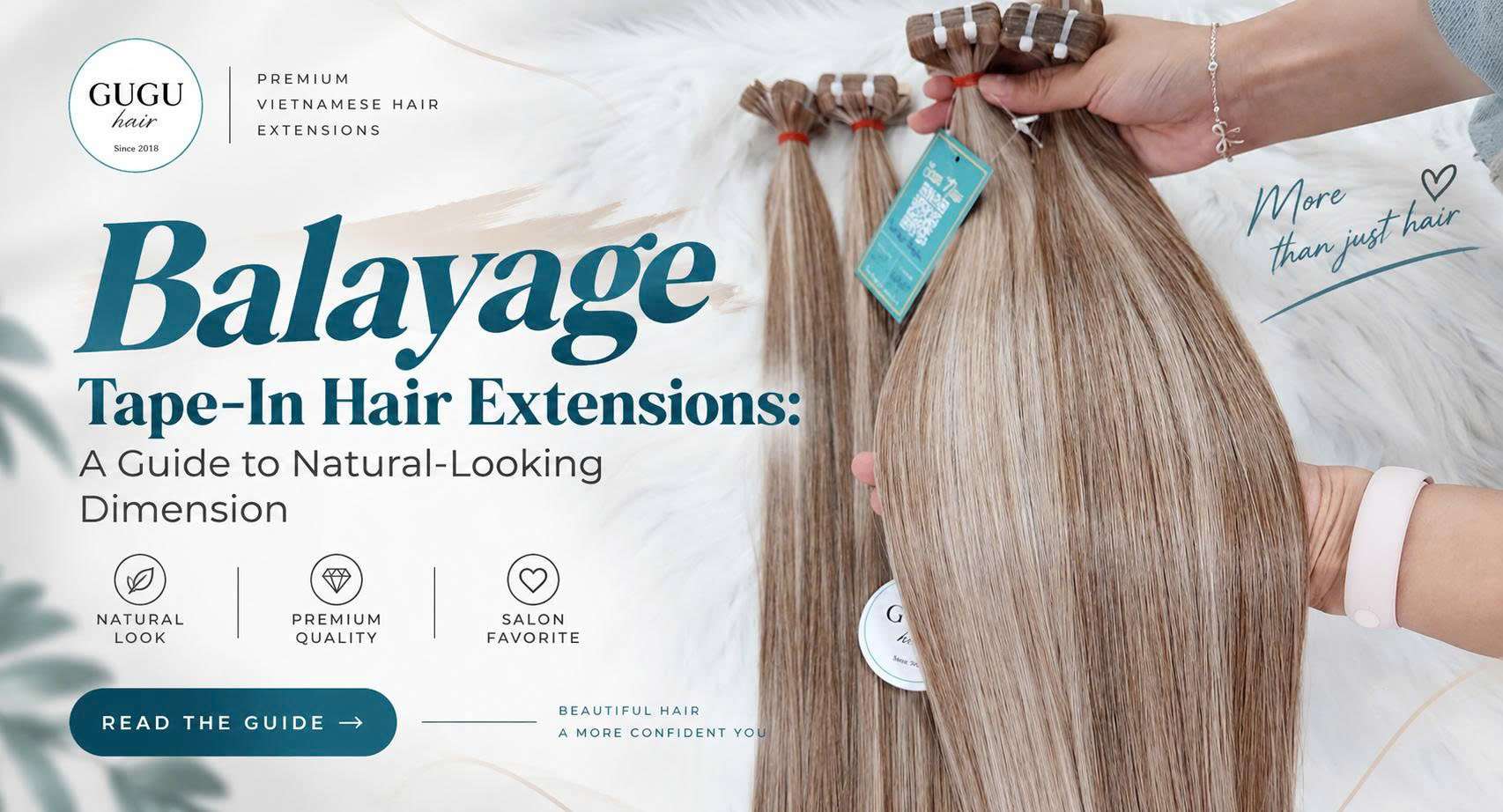
Balayage Tape-In Hair Extensions combine the convenience of Tape-In extensions with a dimensional color effect. Instead of creating one uniform shade, balayage uses lighter and darker tones to create visual depth through the lengths.
This makes balayage Tape-In hair a practical choice for anyone who wants added length and volume while keeping a soft, multi-tonal appearance. The key is choosing shades that complement the natural base and placing the extensions so the color variation looks intentional and well blended.
Balayage Tape-In Hair Extensions are Tape-In extensions designed with a balayage-inspired color pattern. The hair usually contains more than one shade, with lighter pieces or sections gradually adding dimension to the base color.
Unlike a single-color extension, balayage tape in extensions can create the appearance of natural highlights without requiring every section of hair to have the same tone.
The overall effect depends on several factors:
The goal is not simply to make the hair lighter. It is to create variation that adds depth while remaining visually connected to the natural hair.
The defining feature of balayage is dimension. Different shades interact with one another to create areas of light and depth throughout the hair.
For Tape-In extensions, this effect can be especially useful because the extensions become part of the overall color pattern rather than looking like a single block of added hair.
A subtle combination, such as a brown base with caramel or honey tones, can create soft dimension for everyday styles. Higher contrast between the base and lighter sections produces a more noticeable result.
The most natural appearance usually comes from keeping the shades within a compatible color family. The transition does not need to be completely uniform, but it should look balanced when the hair moves.
Choosing the right combination depends on the natural hair color, undertone, and desired level of contrast.
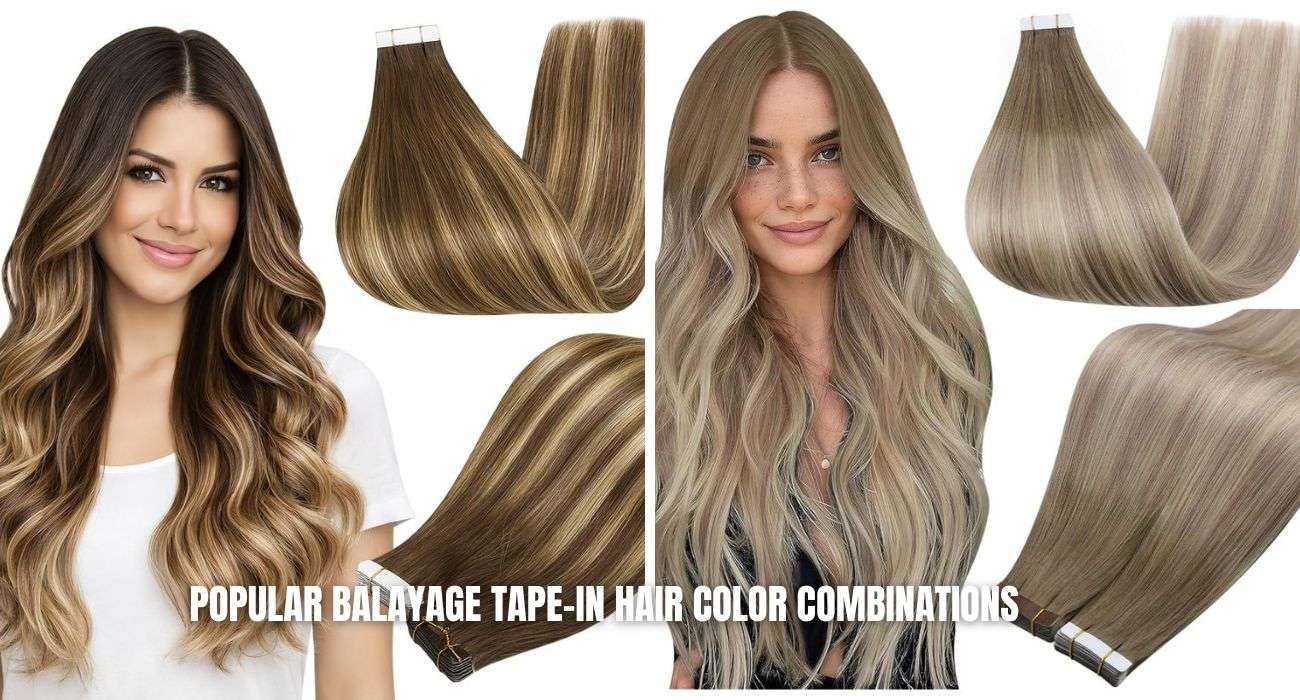
Brown and caramel are a versatile combination for creating warm, dimensional hair. A deeper brown base can be complemented by lighter caramel sections through the lengths.
This combination works particularly well when the goal is added dimension without a dramatic change in overall color.
Honey tones provide a lighter effect while maintaining warmth. When paired with a dark brown base, they can create visible dimension without making the contrast too sharp.
This can be suitable for clients who want their extensions to add both length and a highlighted appearance.
A brunette base with blonde sections creates stronger dimension than brown-on-brown combinations. The result can range from subtle to high contrast depending on the depth of the base and the level of blonde.
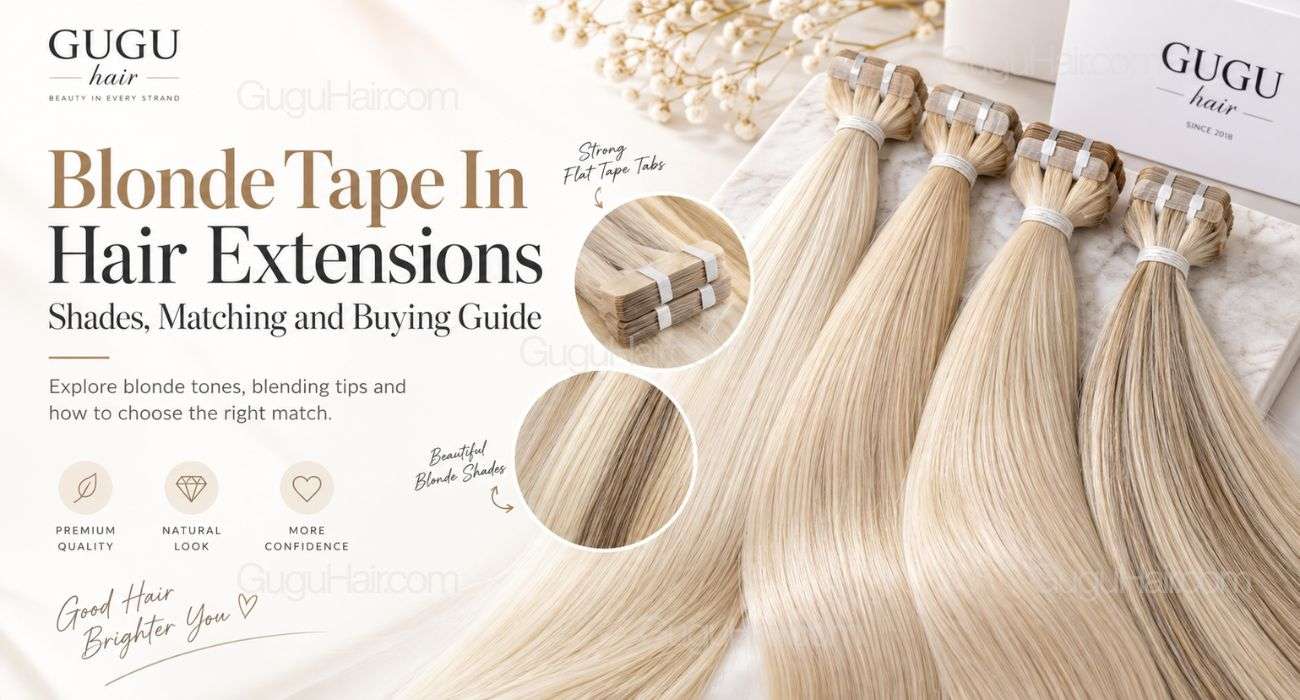
For readers specifically comparing blonde shade families and matching options, see our guide to Blonde Tape-In Hair Extensions.
Undertone is just as important as color level. Warm combinations may include caramel, honey, or copper-influenced tones, while cooler combinations can work with ashier or neutral shades.
The important point is consistency. Mixing unrelated undertones can make the overall color appear less cohesive.
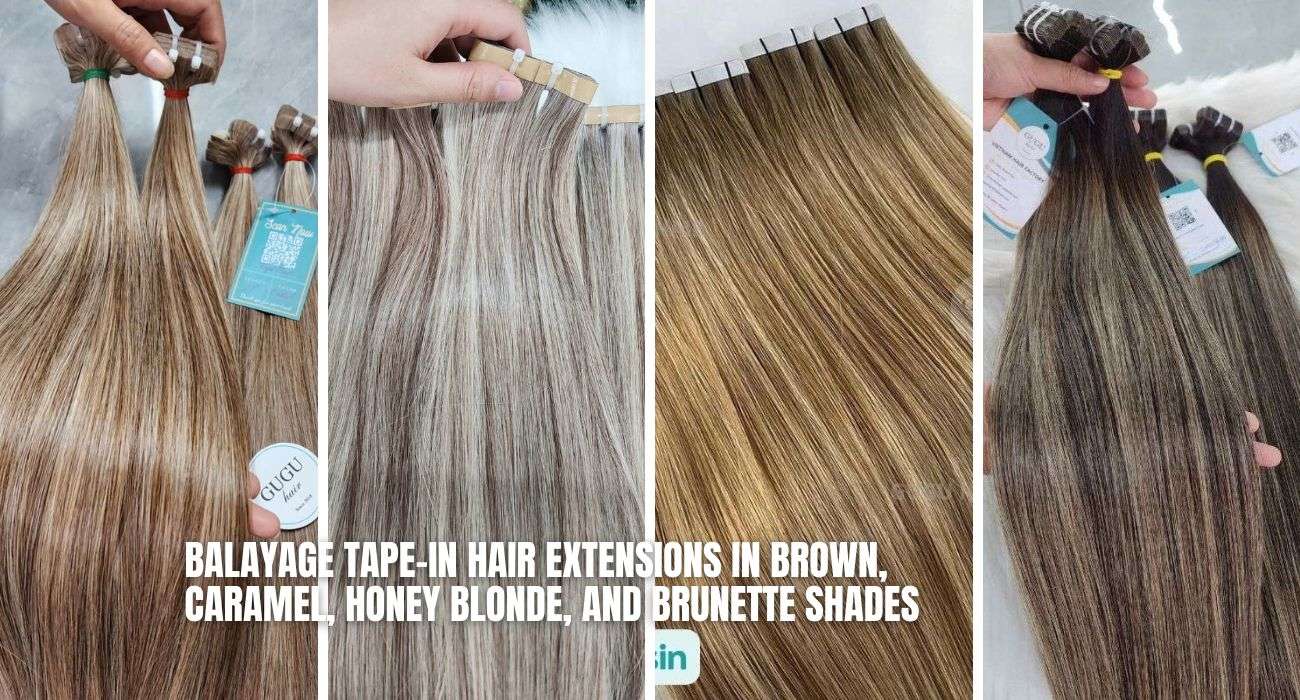
The best balayage Tape-In extensions are not necessarily the ones with the strongest contrast. The right choice depends on how well the color pattern works with the natural hair.
When choosing balayage human hair, color is only one part of the overall appearance.
Look for:
For longer hairstyles, Double Drawn Tape-In Hair Extensions can also be considered when a fuller-looking appearance through the lengths and ends is preferred.
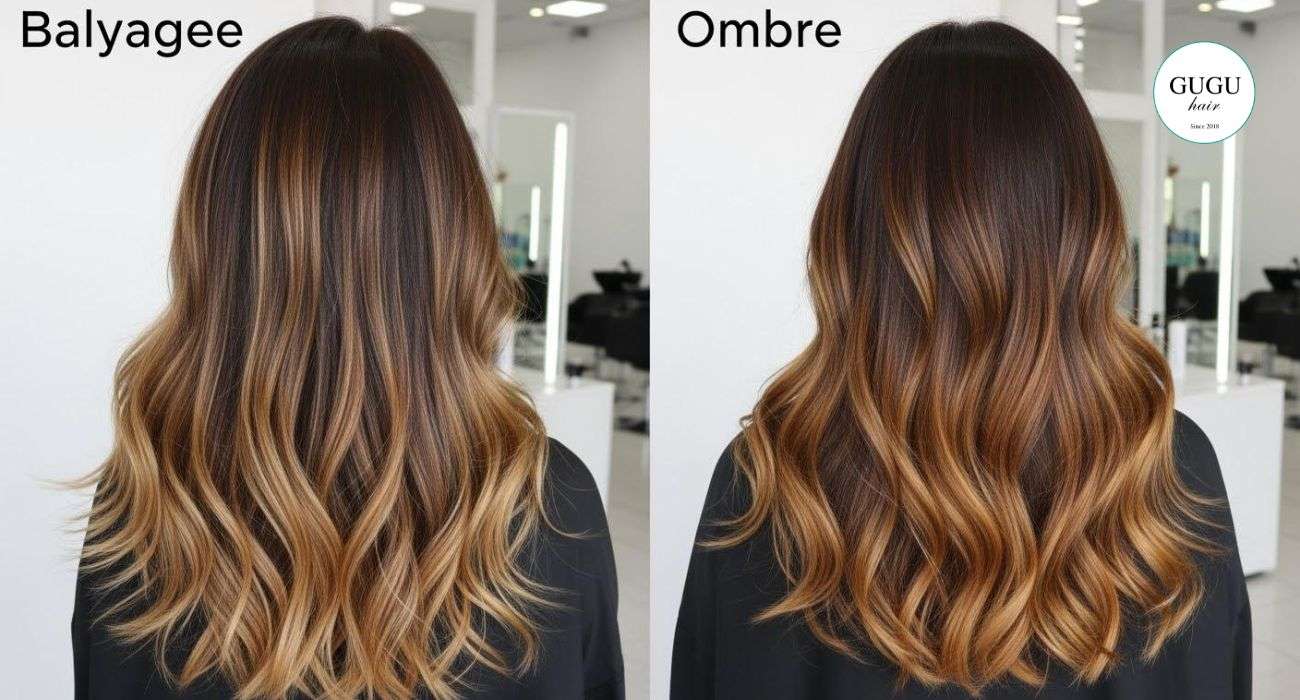
Balayage and ombre can both use multiple shades, but their visual effects are different.
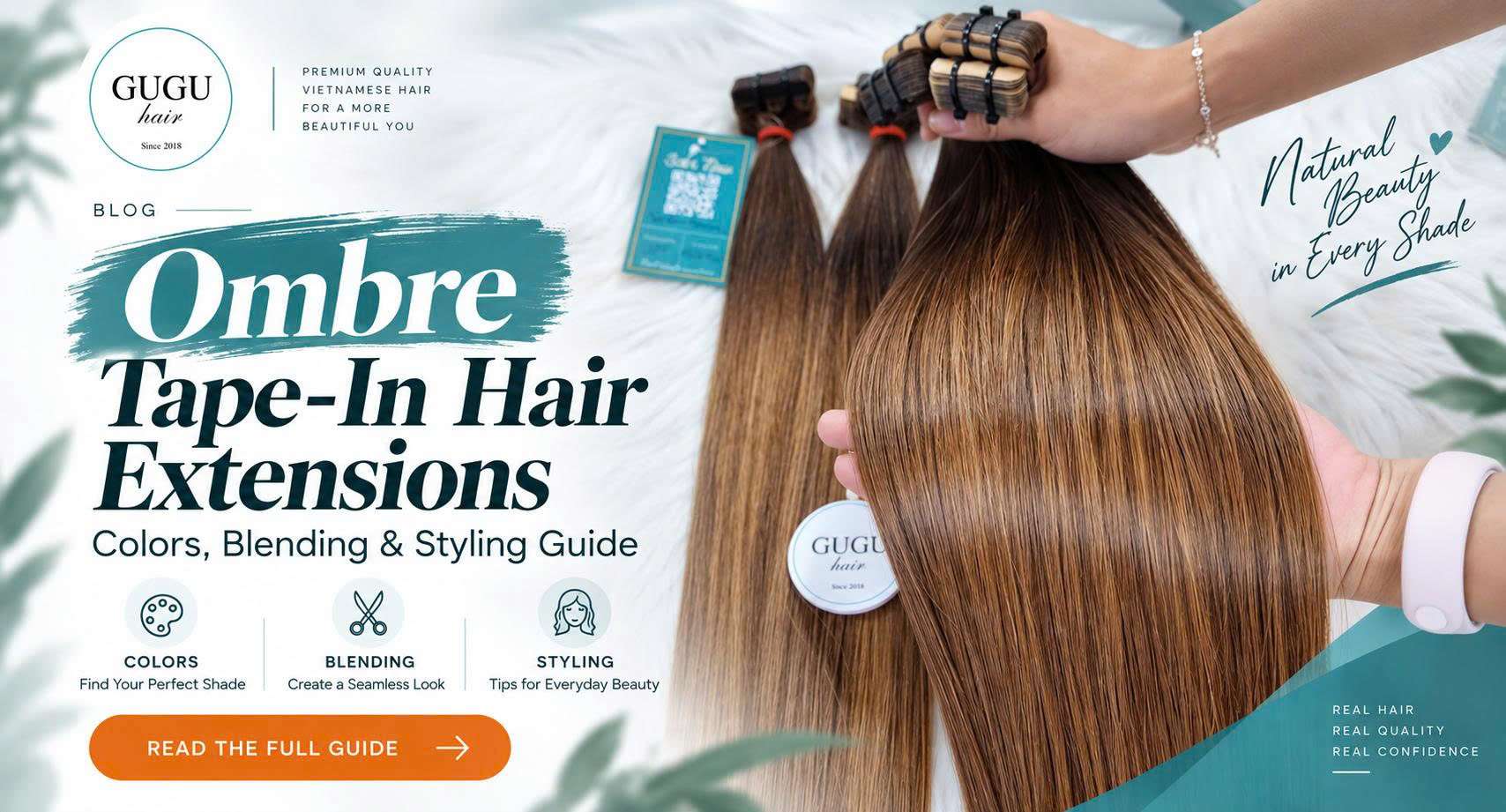
Balayage focuses on dimension and variation throughout the hair, using lighter sections to create a highlighted appearance. Ombre places more emphasis on a visible transition from one color level to another, often becoming lighter toward the ends.
This distinction is useful when choosing extensions. If the goal is dimensional highlights that interact with the natural base, balayage may be the more relevant color concept. If the main attraction is a clear color transition from darker roots to lighter lengths, an ombre design follows a different approach.
The choice should therefore be based on the desired color pattern rather than simply the number of shades used.
Blending starts with the base color and continues through the placement of the extensions.
The extensions should work with the natural hair rather than creating a visible separation between the added hair and the existing color. Matching the base and choosing compatible highlight tones can make this easier.
For a balanced result:
Straight styling can make the placement of lighter sections more visible. Waves and curls distribute the tones through the hairstyle and can make the dimensional effect appear softer.
Proper care also helps maintain a clean blend between the natural hair and extensions. When the extensions need to be taken out, use the correct removal method to help protect the natural hair. For step-by-step instructions, see our guide on how to remove Tape-In extensions.
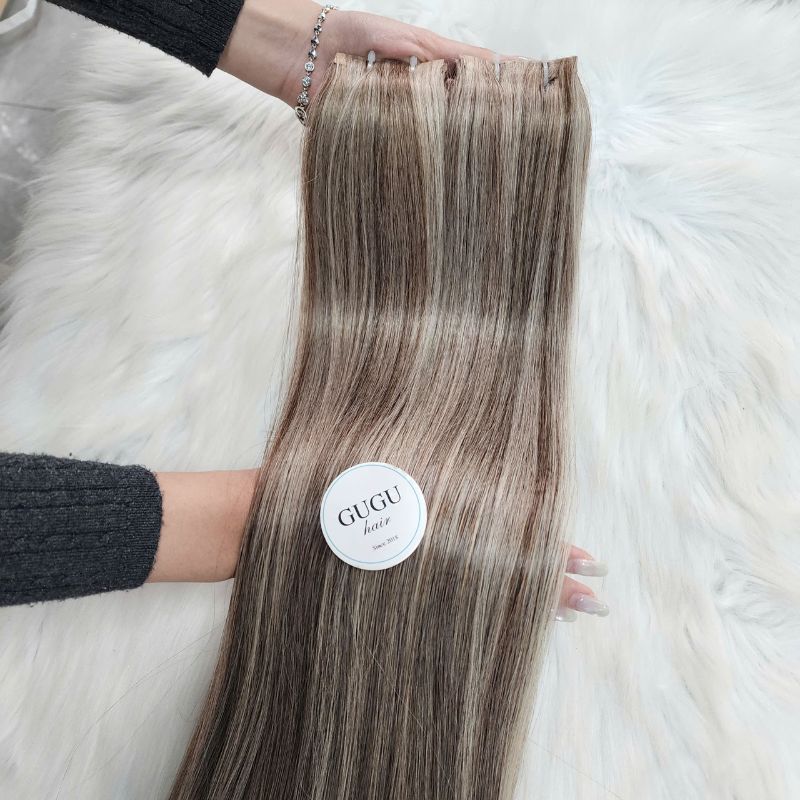
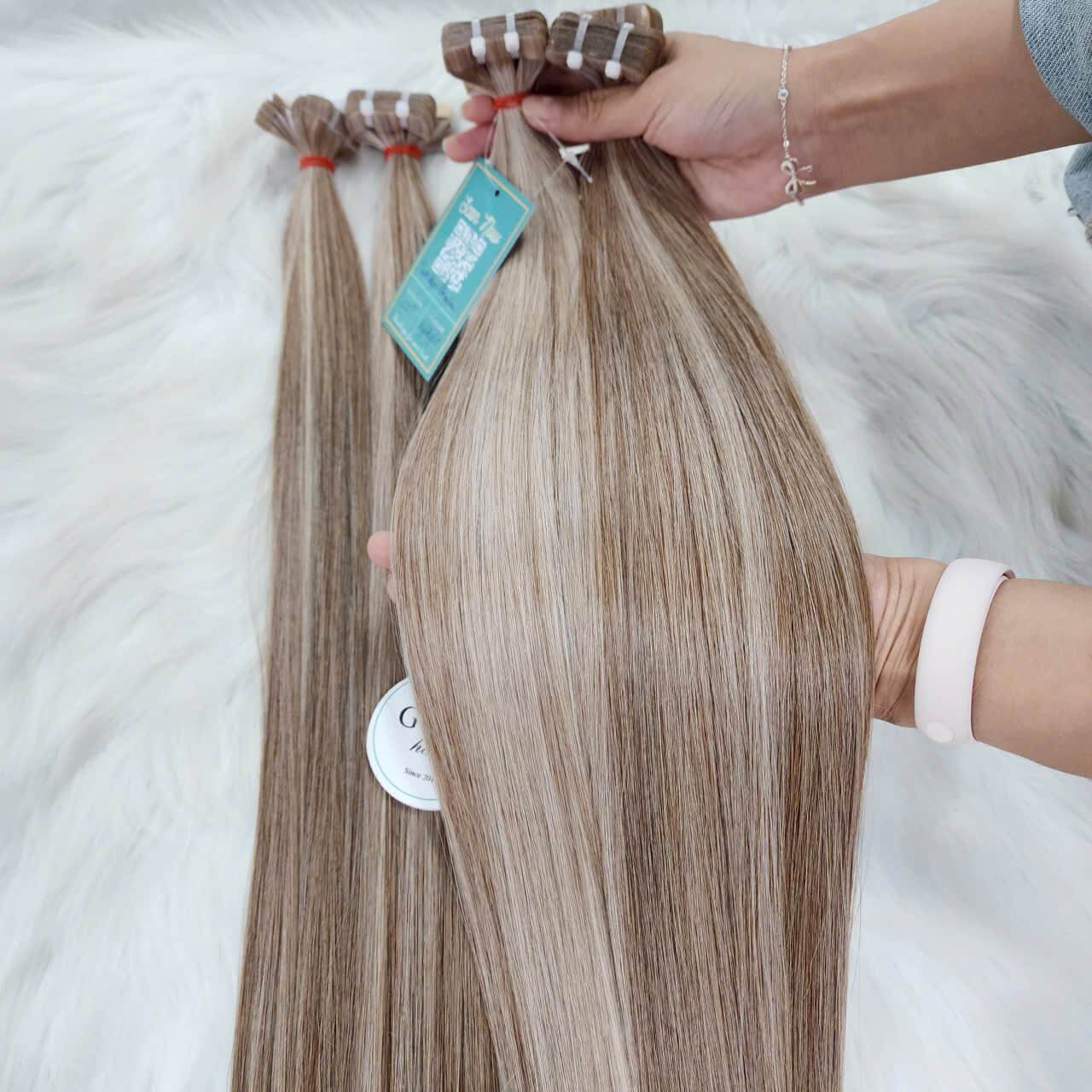
For salons and professional buyers, consistency between extension pieces is especially important. Before ordering, consider the available base shades, color combinations, textures, lengths, and consistency between pieces.
A shade that looks attractive on its own may not produce the same result across different clients, so matching the extension color pattern to the client’s natural base remains an important part of professional selection.
For broader sourcing considerations, see our Tape-In Hair Extensions Wholesale guide.
Before choosing balayage Tape-In extensions, check:
FAQs
Are balayage Tape-In extensions natural-looking?
They can create a natural-looking effect when the base color, undertones, and lighter sections are well matched. The level of contrast also affects how subtle or noticeable the final result appears.
What is the difference between balayage and ombre Tape-In extensions?
Balayage focuses on dimensional highlights and variation through the hair, while ombre emphasizes a more noticeable transition between darker and lighter sections.
Can balayage Tape-In extensions be styled?
Yes. Straight, wavy, curly, and layered styles can all showcase balayage differently. The styling method affects how the lighter and darker sections appear.
What makes good balayage Tape-In hair?
A suitable base shade, compatible undertones, balanced color placement, consistent hair quality, and an appropriate texture all contribute to a cohesive balayage appearance.
Is balayage suitable for dark hair?
Balayage can be adapted to different base colors. On darker hair, combinations such as brown, caramel, honey, or other compatible lighter tones can create varying levels of dimension depending on the desired contrast.
Balayage Tape-In Hair Extensions offer a way to add length and volume while creating a multi-tonal appearance. Their defining feature is not simply having several shades, but how those shades work together to create dimension.
Start with the natural base color, consider the undertones and desired highlight intensity, then choose a color pattern that complements the way the hair will be worn. With the right combination and careful blending, balayage Tape-In extensions can become part of the overall hairstyle rather than looking like a separate layer of added hair.

TOP 1 GUGU HAIR
FACTORY VIETNAM