

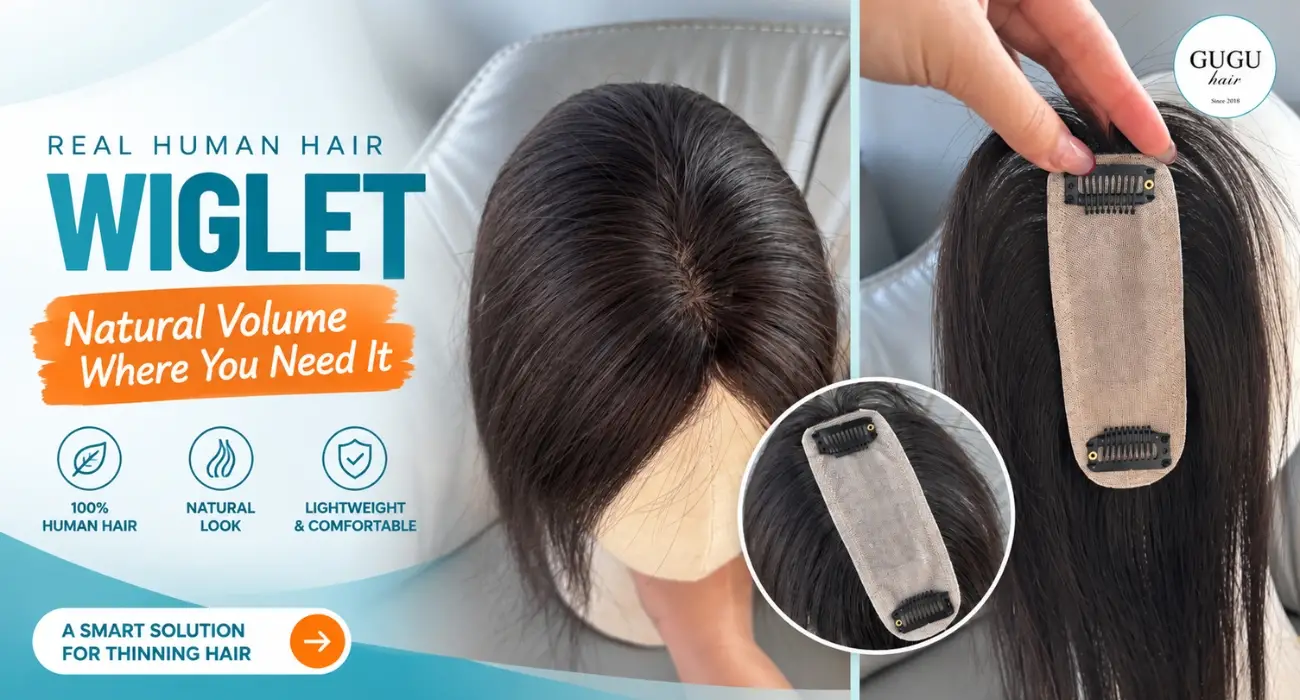

If you wear wigs regularly, you’ve probably asked yourself: Can you sleep in a wig? Whether it’s for convenience, comfort, or necessity, many people consider keeping their wigs on overnight. But is it safe? Will it damage your wig? Is it bad for your scalp?
According to hair experts, the answer is yes—you can sleep in a wig, but only if it’s done correctly and occasionally. The wrong habits can cause tangling, shedding, frizz, scalp irritation, and premature wear.
In this complete guide, we’ll explore what experts really say about sleeping in wigs, the risks, the safest wig types to sleep in, how to protect your wig overnight, and how GUGU HAIR designs wigs that remain comfortable, breathable, and durable—even during long wear.

Yes, but it’s not recommended for everyday practice.
Sleeping in a wig once in a while—such as during travel, medical needs, overnight stays, or emergencies—is generally safe if:
However, sleeping in your wig every night can significantly shorten its lifespan and cause scalp discomfort.

Many people choose to sleep in their wigs for practical or emotional reasons, including:
✨ GUGU HAIR understands these real-life needs and designs wigs that prioritize comfort, breathability, and natural movement.
Sleeping causes constant friction between your wig and pillow, which can result in:
Tossing and turning during sleep rubs the hair fibers, leading to:
Friction loosens knots at the base of the hair, increasing shedding—especially in lace wigs.
Styled wigs can lose curls, waves, or smoothness overnight.
Poor airflow and pressure can cause:
Sleeping in a wig occasionally is fine. Sleeping in a wig regularly is not ideal.
Experts recommend removing your wig at night whenever possible to:
If you must sleep in a wig, choosing the right type matters.
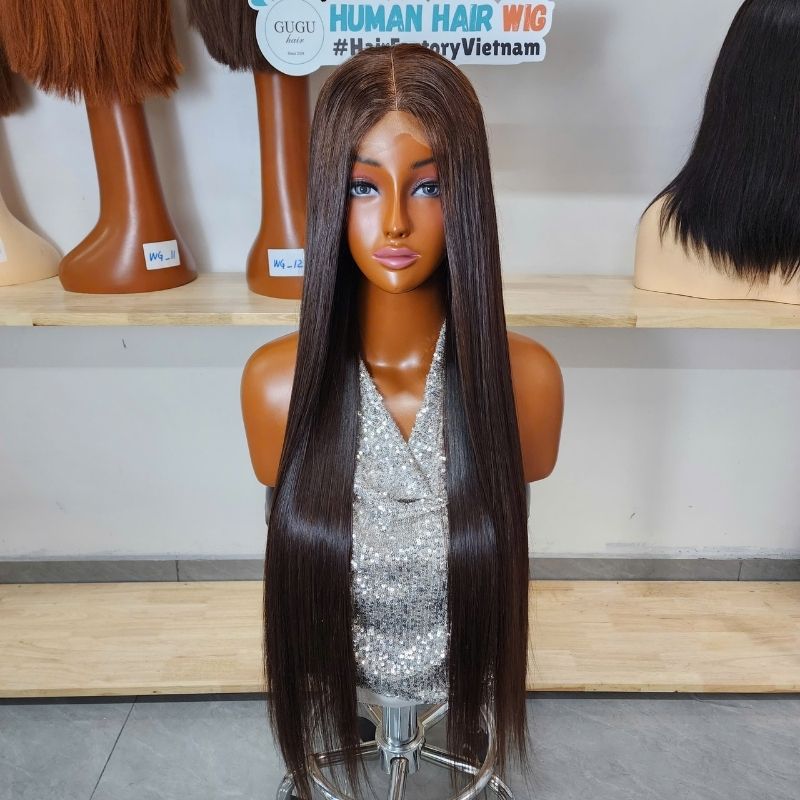

Glueless wigs are:
✨ GUGU HAIR glueless wigs are designed for all-day comfort and are the safest option for overnight wear.
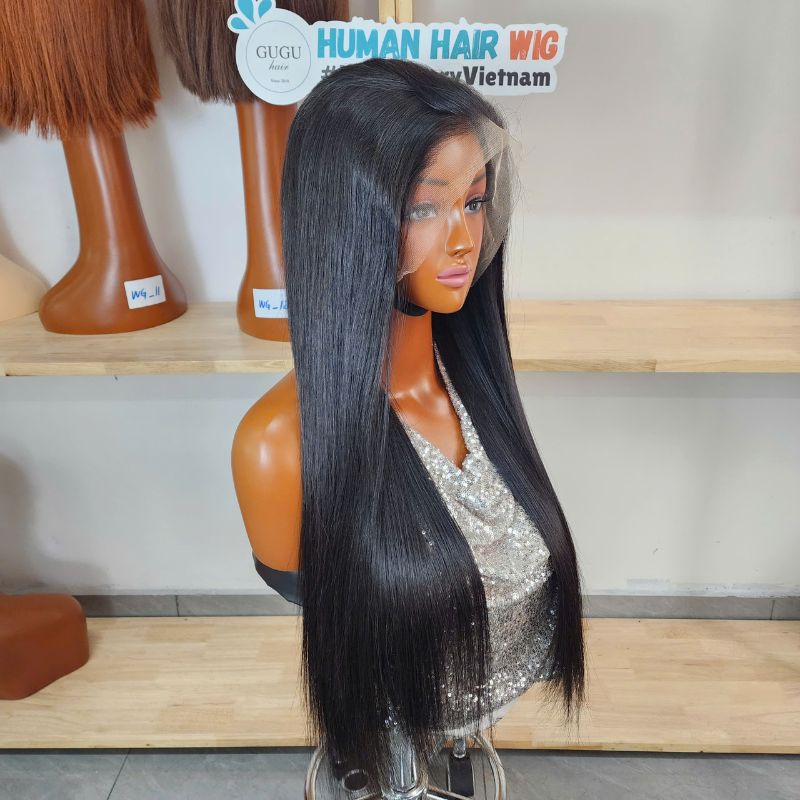

These wigs:
However, full lace wigs are more delicate and require careful protection while sleeping.


Headband wigs are:
They’re ideal for casual overnight wear.
Avoid sleeping in:
❌ Hard cap wigs
❌ Tight wigs
❌ Heavily glued wigs
❌ Clip-in wigs
❌ Heavy-density wigs
These increase discomfort, scalp stress, and hair damage.

If sleeping in a wig is unavoidable, follow these steps to protect both your wig and scalp:
Use a wide-tooth comb or wig brush:
Use:
Avoid:
❌ Tight adhesives
❌ Strong glue
Comfort and scalp safety come first.
Wrap the wig gently with:
✔ Silk scarf
✔ Satin bonnet
This reduces friction and helps maintain moisture and style.
A satin pillowcase:
Low braid, loose twists, or low ponytails help prevent tangling.


Yes, but with caution.
Lace front wigs are delicate at the hairline. Overnight friction can:
✨ GUGU HAIR lace front wigs feature reinforced lace construction and breathable caps for improved durability during extended wear.
Yes—but it requires extra care.
Synthetic fibers:
Always:
✔ Wrap in satin
✔ Avoid tossing
✔ Detangle in the morning
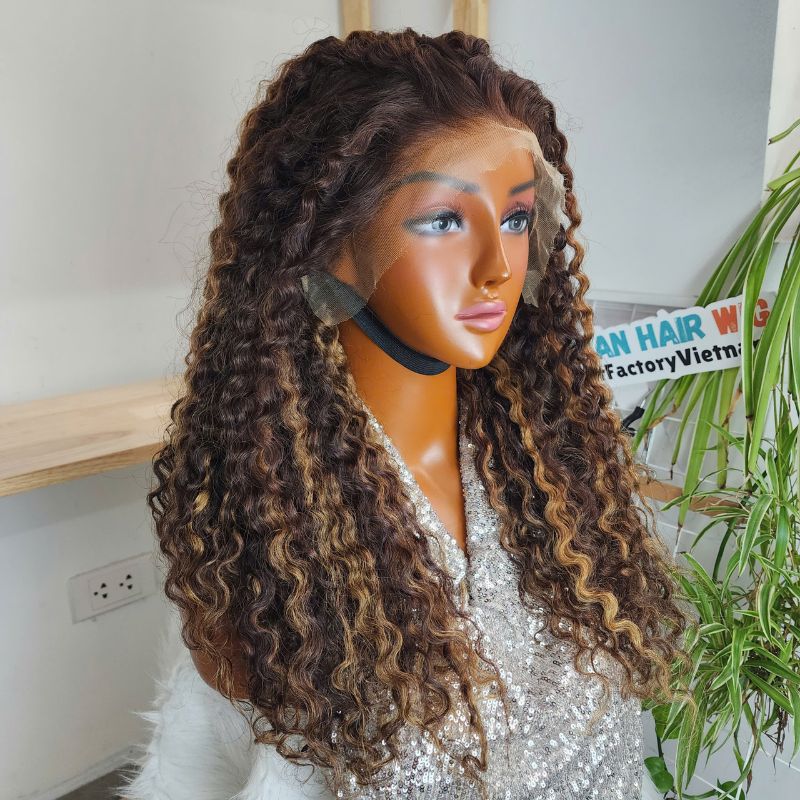

Human hair wigs are more durable, but still vulnerable to:
High-quality human hair wigs from GUGU HAIR perform better overnight when properly protected.
Experts recommend:
For daily wig wearers, removing the wig at night helps maintain both scalp health and wig quality.
Long-term overnight wig wear can cause:
For best results, treat your wig like fine clothing — remove, store, and protect it properly.
Morning care routine:
This restores freshness and prevents buildup.

GUGU HAIR designs wigs specifically for comfort, breathability, and durability:
✨ Soft Swiss lace
✨ Breathable cap construction
✨ Adjustable straps
✨ Lightweight density
✨ High-quality human hair
These features make GUGU HAIR wigs ideal for extended daily wear and occasional overnight use.
If you want overnight coverage without wig damage:
Provides coverage while letting your scalp breathe.
More breathable and lightweight.
Braids or twists keep your hair neat overnight.
Some people need to sleep in wigs due to:
In such cases, ultra-light, breathable wigs like those from GUGU HAIR are strongly recommended.
| Situation | Expert Advice |
|---|---|
| Occasional wear | Safe with protection |
| Daily wear | Not recommended |
| Travel / hospital | Acceptable |
| Long-term nightly wear | Avoid if possible |
| Glueless wigs | Best option |
| Heavy glued wigs | Avoid |
Can sleeping in a wig cause hair loss?

It can contribute to traction alopecia if the wig is too tight or worn overnight frequently.

Is it bad for your scalp?

Yes, daily overnight wear can reduce airflow and cause irritation.

Can you nap in a wig?
Short naps are fine, especially with satin protection.
Yes—you can sleep in a wig, but experts recommend doing so only occasionally and with proper protection. Removing your wig at night is always the healthiest option for both your scalp and your wig.
✨ If you need comfort, security, and breathability, GUGU HAIR wigs are designed to provide natural beauty without compromising comfort—even during extended wear.
👉 Explore GUGU HAIR’s breathable, glueless wig collection today and experience true comfort.
Contact us:
+ Whatsapp: +(84)385637191
+ Alibaba: alibabaGUGUHAIR
+ Email: guguhair99@gmail.com
+ Factory Address: Phu Luu, Trung Nghia, Yen Phong, Bac Ninh
+ Office Address:#2, street 5, galaxy van Phuc, To Huu, Ha Dong, Hanoi




TOP 1 GUGU HAIR
FACTORY VIETNAM